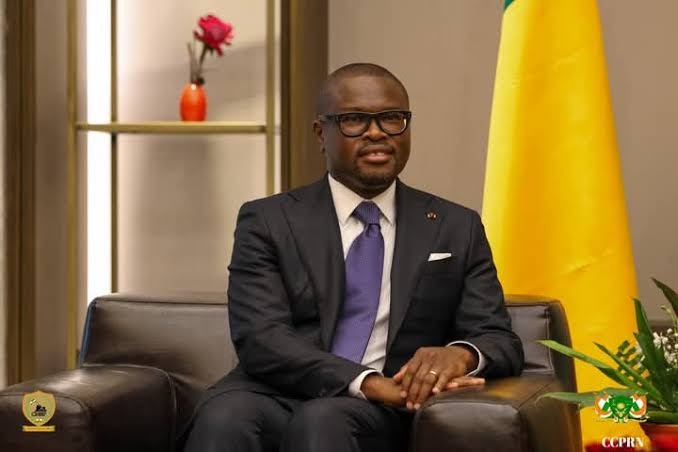
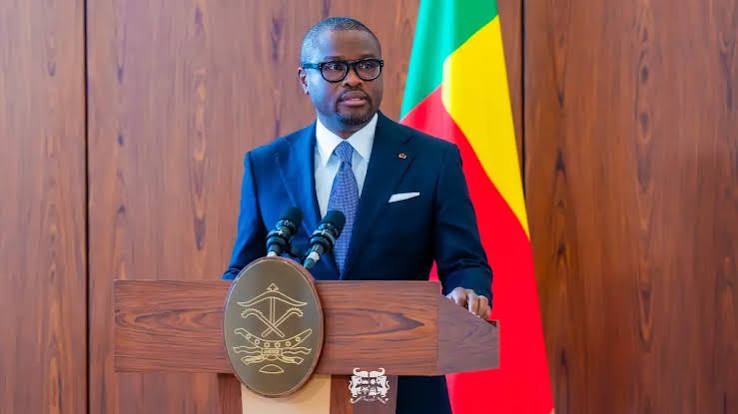
Bénin’s President Romuald Wadagni landed in Niamey on Tuesday for an official visit that may signal a turning point in relations between Bénin and Niger. Diplomatic ties between the two nations have been severely strained since the coup that brought Niger‘s military leadership to power in July 2023.
First high-level meeting since the transition
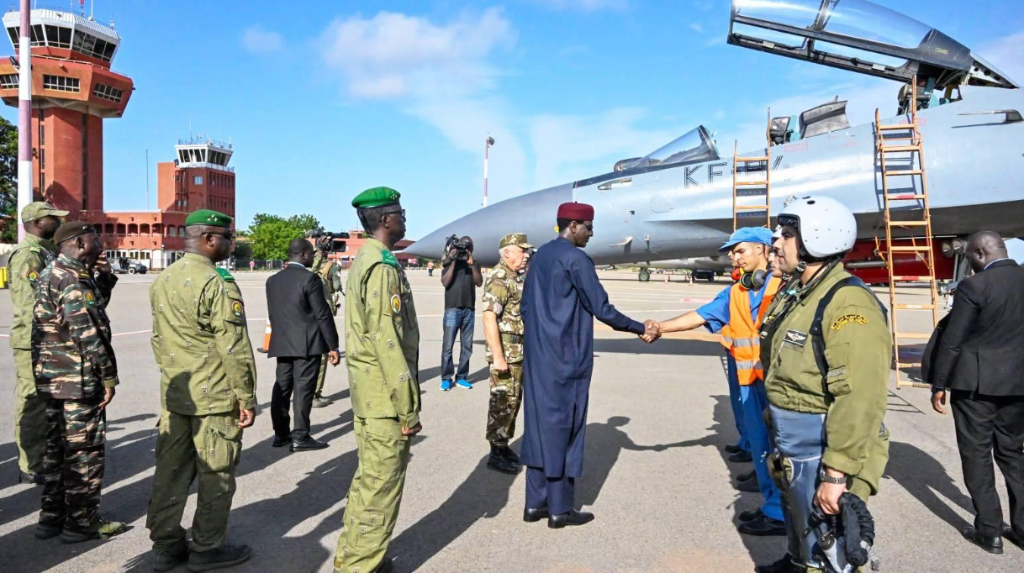
Upon arrival, President Wadagni was greeted by General Abdourahamane Tiani, Niger’s transitional leader. This meeting marks the first official encounter between a Bénin head of state and Niger’s military government since the change of power. The visit underscores a deliberate effort to rebuild bridges despite lingering political and security frictions.
A regional priority for Bénin
The Bénin president had already visited Nigeria the day before, but chose Niger for his second stop—a clear indication of how closely he views relations with neighboring states. A statement from Bénin’s presidency described the trip as part of a broader strategy to strengthen dialogue with all countries sharing a border with Bénin.
Security concerns take center stage
Talks between the two leaders are expected to focus heavily on security, as both nations grapple with rising jihadist threats along their shared border. For years, northern Bénin and western Niger have faced repeated attacks by armed groups linked to extremist networks operating across the Sahel.
Early signs of easing tensions
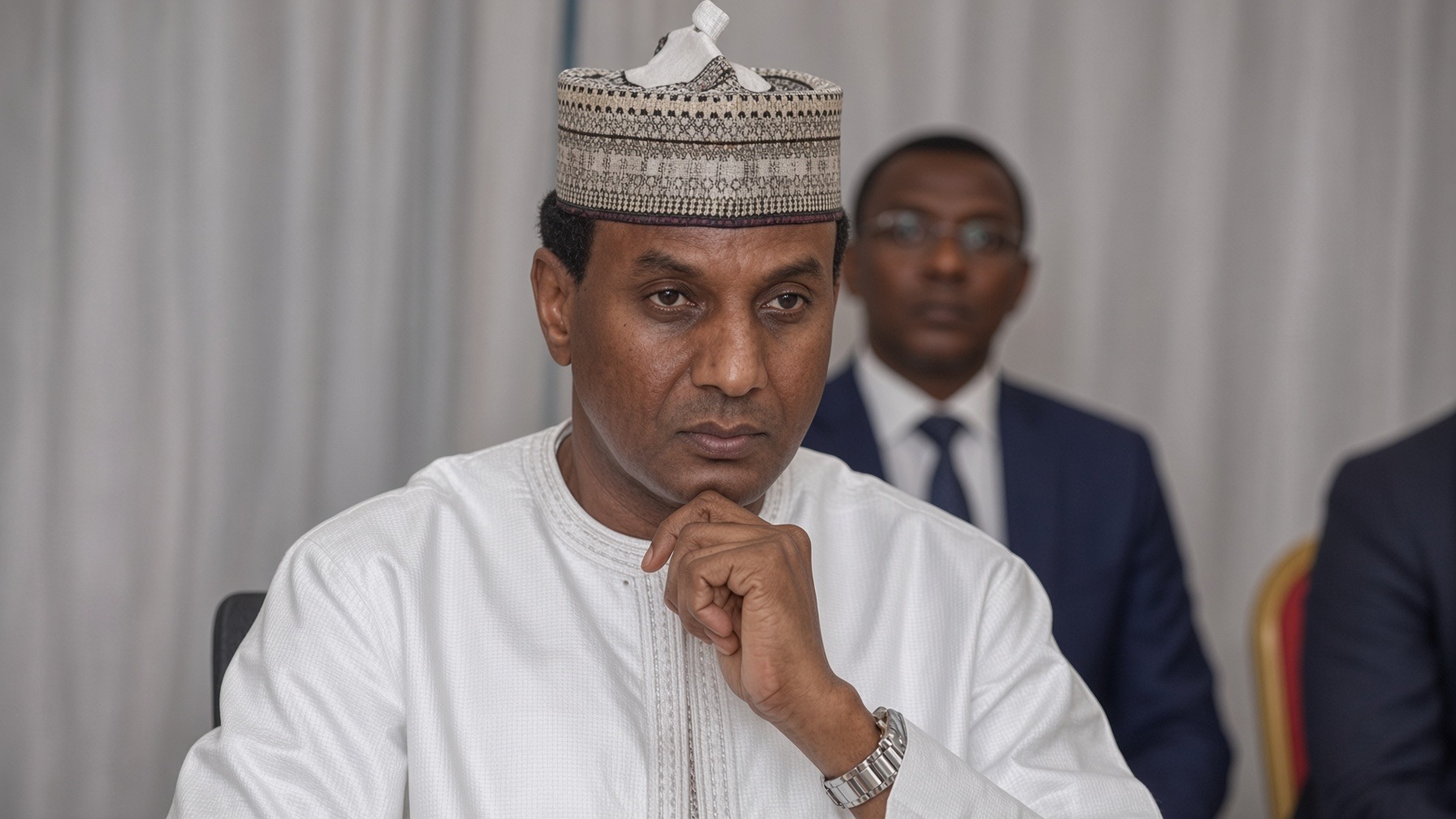
Indications of a possible thaw had already surfaced during President Wadagni’s inauguration in Cotonou, where Niger’s Prime Minister Ali Mahaman Lamine Zeine was in attendance. In recent days, Niger’s state media has also highlighted the deep historical and cultural ties uniting the populations of both countries.
Next stop: Burkina Faso
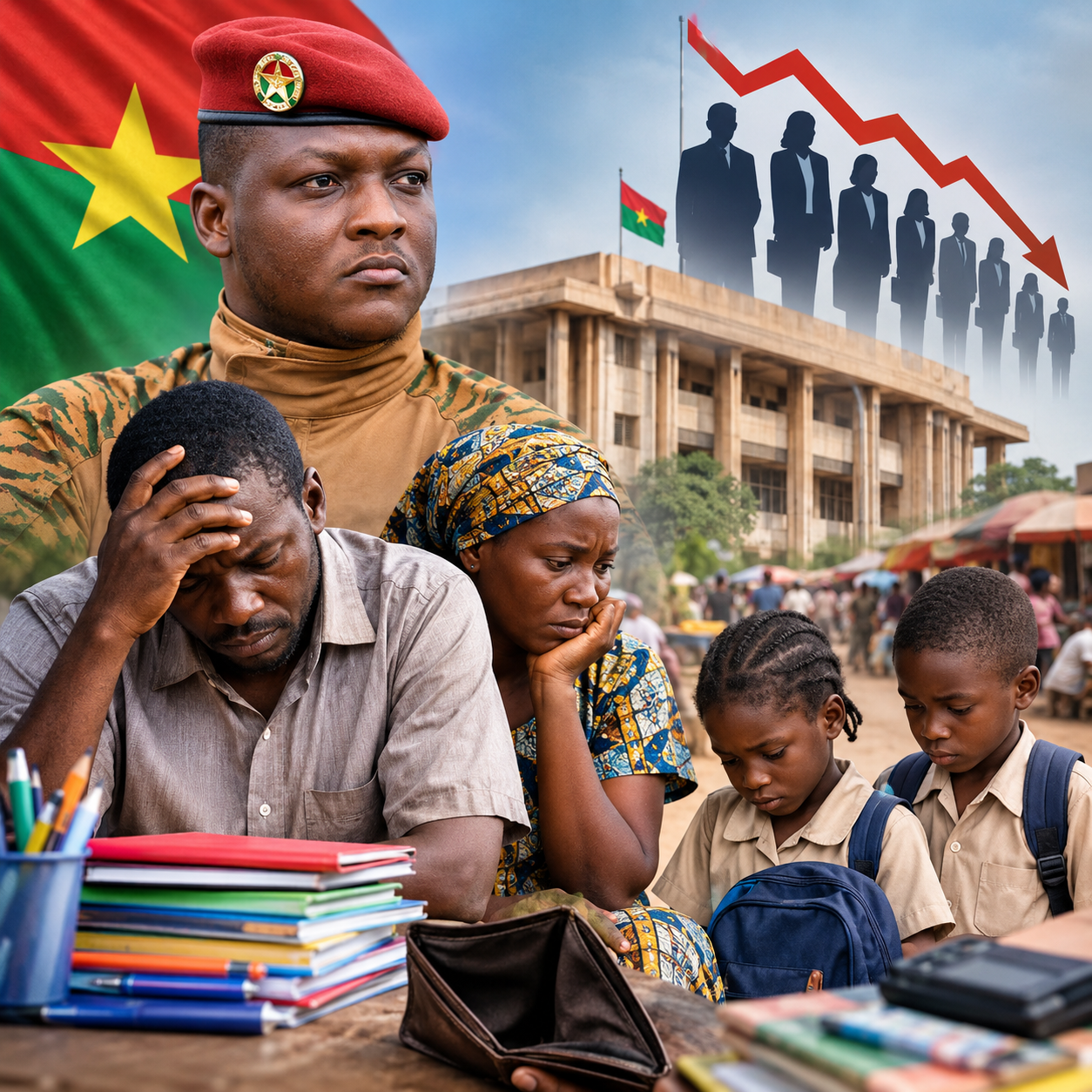
Following his visit to Niamey, President Wadagni is scheduled to travel to Ouagadougou, another capital governed by a military regime and a close ally of Niger within the Alliance of Sahel States. This regional tour reflects a concerted push to reopen channels of communication with Sahelian capitals and foster a collaborative regional environment.