Mali faces growing authoritarianism and human rights crisis
Mali’s political crisis: authoritarian drift and shrinking democratic space
The United Nations High Commissioner for Human Rights has sounded the alarm over Mali’s alarming descent into authoritarianism, warning of a systematic erosion of democratic norms and an escalation in state repression under the current military leadership.
Concentration of power through legal maneuvers
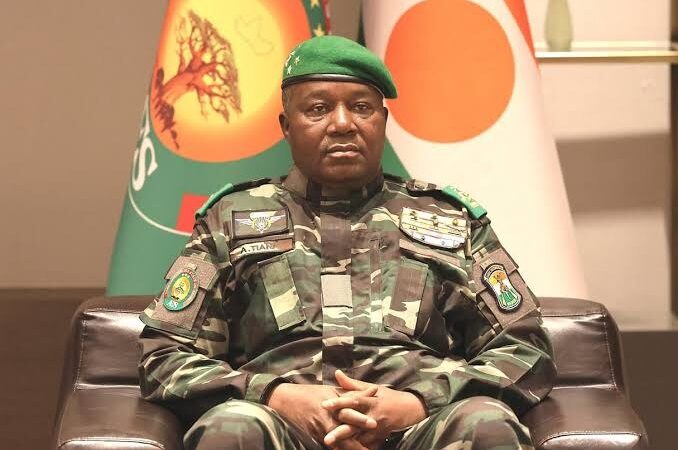
Since seizing control in 2020, the military junta led by General Assimi Goïta has implemented a series of legal reforms that effectively centralize authority and indefinitely postpone elections. Volker Türk, the UN Human Rights Chief, has condemned these measures as a direct violation of citizens’ fundamental rights, including their ability to participate in public affairs and elect representatives.
A recent law passed on July 8th grants President Goïta the power to extend his mandate without elections “as many times as necessary until national pacification.” This followed a presidential decree in May dissolving all political parties and organizations. These actions have drawn sharp criticism from the international community, with the UN highlighting that they undermine Mali’s path toward democratic governance.
Crackdown on dissent and shrinking freedoms
The crackdown extends beyond institutional changes, with security forces increasingly targeting dissent. Prominent opposition figure Moussa Mara was arrested in August on charges of “undermining state credibility” after expressing solidarity with political prisoners on social media. The UN has documented a surge in arbitrary arrests across all sectors of society, with individuals silenced through similar legal tactics.
Volker Türk has expressed grave concern over the “weaponization of law to suppress opposition,” emphasizing that these actions stifle free expression and threaten Mali’s fragile social fabric. The situation mirrors broader regional trends where authoritarian tendencies have gained ground under the guise of security concerns.
Human rights violations amid ongoing insecurity
Mali continues to grapple with deadly jihadist attacks by groups such as the Group for the Support of Islam and Muslims (GSIM)—affiliated with Al-Qaeda—and ISIS, which operate across the Sahel region, including neighboring Burkina Faso and Niger. While the Malian military, supported by Russian paramilitary forces known as the Africa Corps (formerly Wagner Group), conducts counterterrorism operations, these efforts have come at a severe cost to civilians.
According to the UN Human Rights Office, since April, there has been a disturbing rise in extrajudicial executions, arbitrary detentions, forced disappearances, and abductions attributed to all parties involved in the conflict. These abuses have further destabilized a country already reeling from years of political instability and violence.
The international community’s warnings underscore the urgent need for Mali to reverse course. Failure to restore democratic processes and protect fundamental freedoms risks trapping the nation in a perpetual cycle of repression and conflict, with devastating consequences for its people.