The heart of central Mali’s Bankass circle is witnessing a quiet but significant shift as thousands of displaced Dogon families make their way back home. This gradual return follows locally brokered agreements between rural communities and the Jama’at Nusrat al-Islam wal Muslimin (JNIM), an Al-Qaeda-affiliated armed group operating in the Sahel.
Under the terms of these accords, villagers—primarily from the Fulani and Dogon ethnic groups—have regained access to their homes and farmlands as the rainy season begins. However, the return comes with strict conditions dictated by the jihadist faction, reshaping daily life in ways that challenge long-held traditions.
dress codes and education restrictions under local sharia
Among the most visible changes is the enforcement of conservative Islamic norms. Men are now required to wear knee-length pants, while women must cover their hair with a headscarf. Public education as practiced by the Malian state has been suspended, and schools teaching Western-style curricula remain closed. These rules are being implemented under the banner of sharia, which the armed group presents as a framework for coexistence.
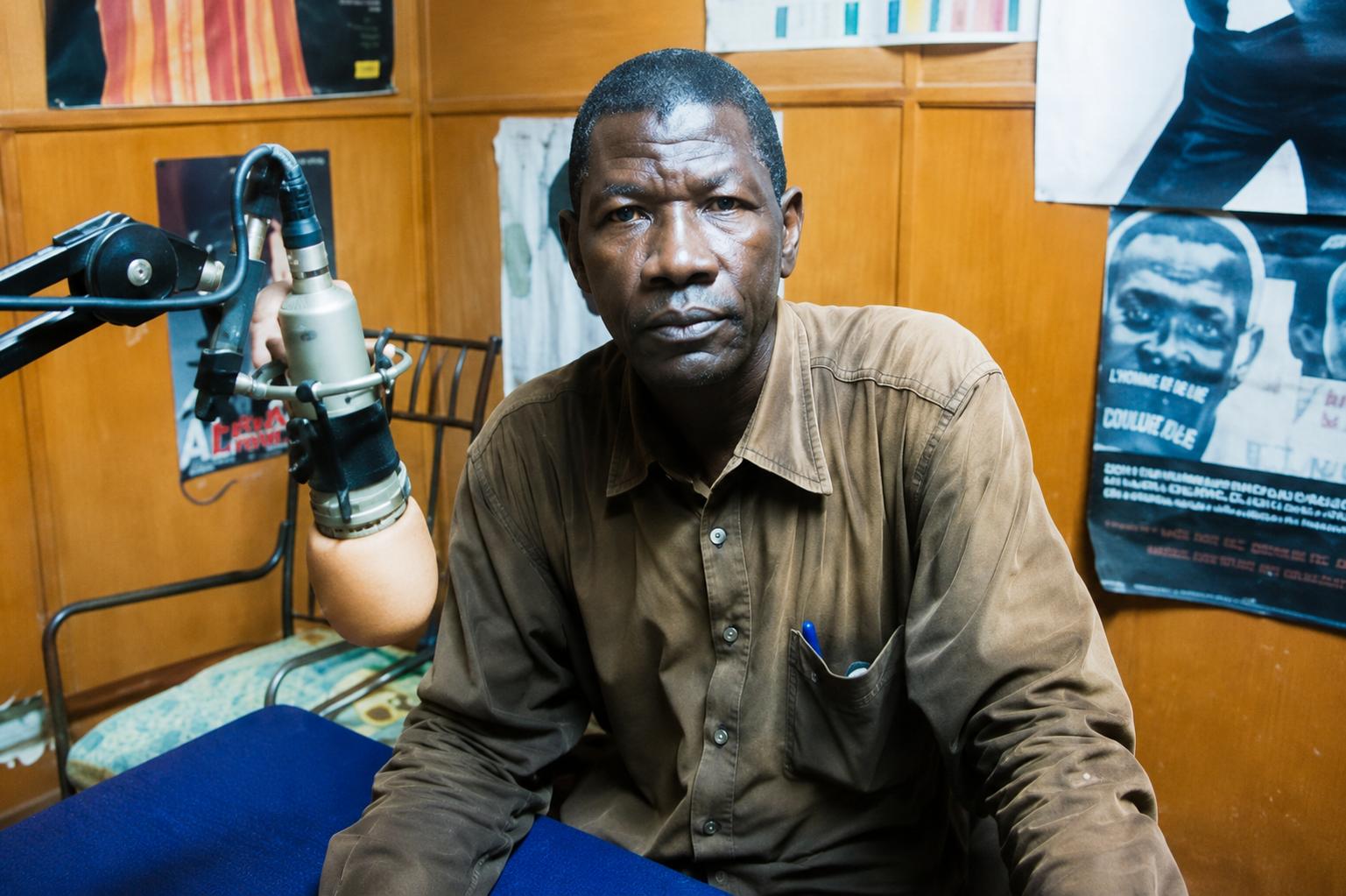
A resident of Bare Darsalam village, who requested anonymity, shared his experience after seven years away. He returned alone—without his wife or children—citing concerns over the new dress code and educational restrictions.
« Our school was destroyed during the 2019 attacks. Even if we were told to rebuild it immediately, we wouldn’t agree. We’ve only just resumed our farming activities after receiving assurances from the mayor. We haven’t started wearing short pants yet, and we haven’t brought back our wives to see how strict the veil rules will be. »
farmers resume work as rains begin
Allaye Guindo, mayor of the urban commune of Bankass, confirmed that the peace agreements have triggered a wave of returns across 13 villages, including settlements in Kani Bozon and Dimbal. With rainfall now steady, many returnees have already begun planting crops, marking a cautious return to normalcy.
« Thanks to these local agreements, people are coming back to villages that had been abandoned for years. Thirteen communities are now welcoming their people, and the fields are being cultivated safely. Everyone feels a sense of relief. »
The arrangements also place responsibility on local leaders and customary authorities to enforce the new norms, further embedding the armed group’s influence into daily governance. While the immediate relief of returning home is palpable, the long-term implications of living under such conditions remain uncertain for the Dogon and Fulani populations of central Mali.