Mali crisis: alleged assassination plot against Goïta amid regional tensions
Security alert in Bamako after failed attack on Malian authorities
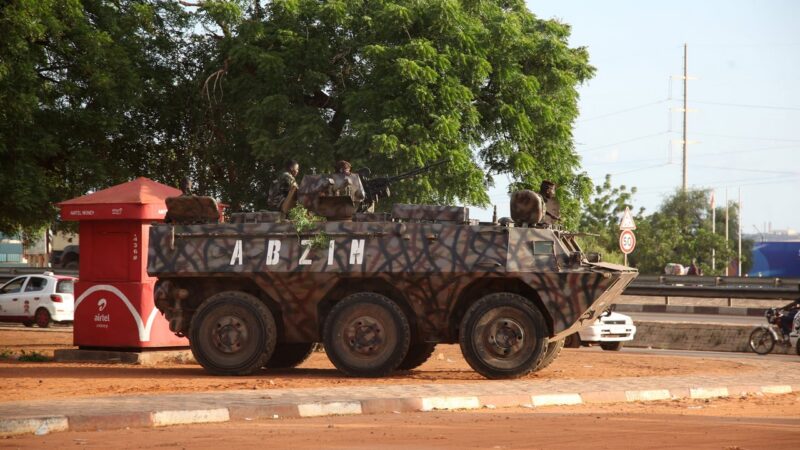
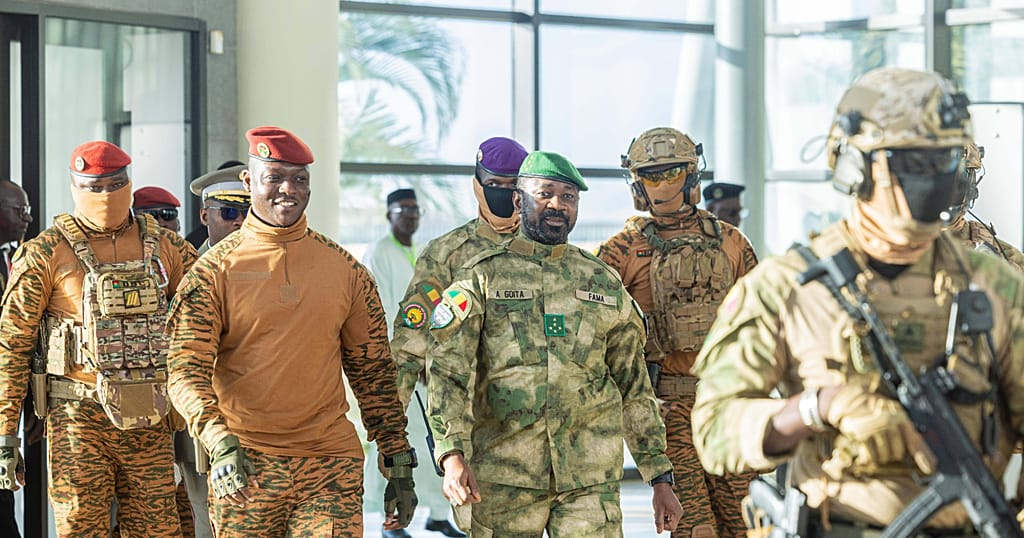
The capital city of Mali, Bamako, remains under heightened security following the violent incidents of April 25, which claimed the life of General Sadio Camara, the second-in-command of the military regime. Authorities have raised alarms over what they describe as a meticulously planned assassination attempt targeting key figures, including the transitional president, Assimi Goïta.
Military reveals details of the operation
During a press briefing, the Malian Armed Forces disclosed that the attack involved multiple vehicle-borne explosives. According to the military spokesperson, Commander Djibrila Maiga, one of the vehicles was specifically aimed at the presidential residence: This sinister plot was designed to endanger the lives of our leaders, he stated. The operation’s sophistication suggests coordination between hostile elements seeking to destabilize the country’s fragile transition.
Regional reactions and media restrictions
The recent developments have prompted authorities in Burkina Faso to impose a temporary ban on TV5Monde. The country’s media regulator accused the international broadcaster of propagating terrorist propaganda and undermining Malian institutions. The decision has sparked mixed reactions in Ouagadougou, with some residents endorsing the move while others criticize what they perceive as biased coverage of Sahelian affairs.
A local resident, Flore Guigma, argued: No nation should allow channels that glorify terrorism to operate freely. Meanwhile, Serge Théophile Bancé expressed frustration over perceived condescension in Western media reporting: There’s an evident bias in how they frame stories about our region.
Press freedom concerns amid growing censorship
International watchdogs, including Reporters Without Borders, have criticized the suspension as an unjustified restriction that further shrinks press freedoms. Since the coup led by Captain Ibrahim Traoré, several foreign outlets—including major networks like Le Monde, LCI, and BBC News—have faced temporary bans in the country.