Mali army and allied militias accused of civilian massacres in Ségou
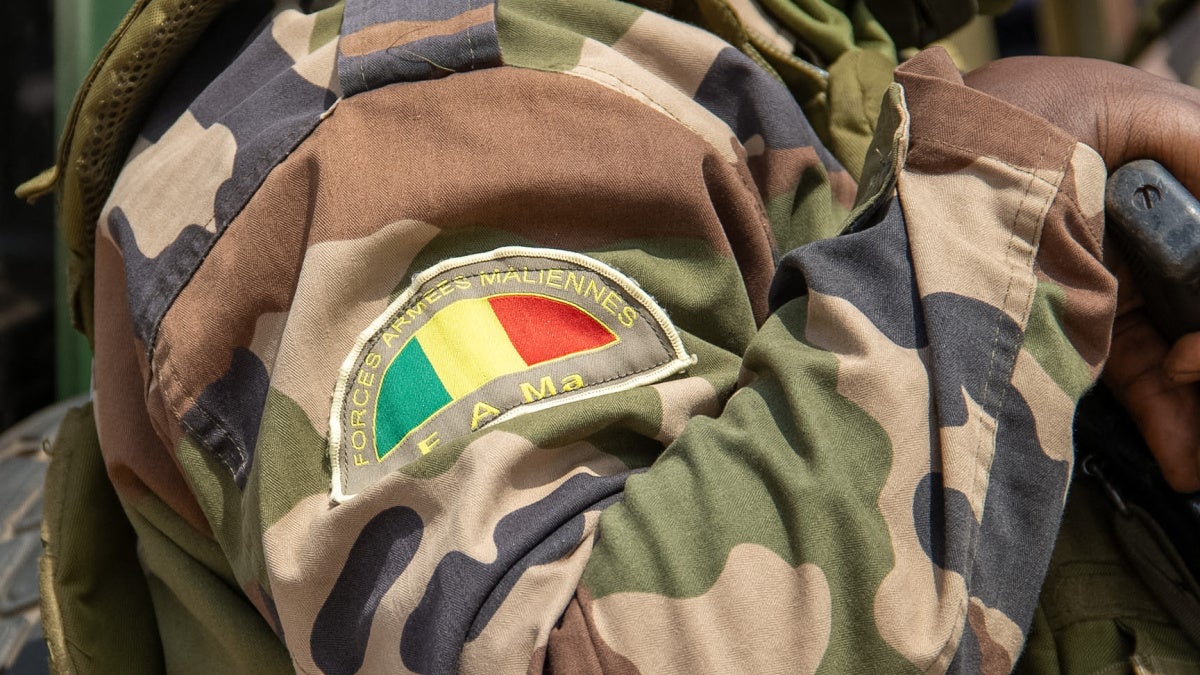
Mali’s military forces, alongside allied militias, stand accused of executing at least 31 civilians and torching homes during coordinated attacks on two villages in the embattled Ségou region this October. The allegations surfaced following a two-week surge of violence that left communities reeling under the shadow of ongoing insurgency.
Village of Kamona: A scene of horror on October 2
On the morning of October 2, soldiers in camouflage fatigues, accompanied by armed militiamen known as dozos, stormed the village of Kamona. The dozos, predominantly from the Bambara ethnic group, have long been involved in counterinsurgency operations across Mali. Survivors reported that the attackers, arriving in at least seven pickup trucks and three armored vehicles plus motorcycles, targeted adult men under the guise of hunting suspected collaborators with Islamist militants.
« Those who couldn’t escape were rounded up and shot on the spot, » recounted a local survivor who witnessed the carnage. The attackers set fire to at least 10 homes and three storage huts belonging to Fulani residents, leaving behind a trail of destruction. Witnesses confirmed that Islamist fighters had warned villagers of the army’s advance, prompting many to flee before the assault began.
By the end of the day, 21 men lay dead, their bodies later discovered under a tree and scattered across the northern outskirts of Kamona. A 40-year-old herder, who had hidden with his 9-year-old daughter, described the grim scene: « The bodies were riddled with bullets. One man’s skull was shattered. Spent cartridges littered the ground. »
Balle massacre: Ten more lives lost on October 13
Thirteen days later, a similar fate befell the village of Balle, located 55 kilometers away. Soldiers in five pickup trucks and dozo militiamen on 30 motorcycles descended on the community, forcing some residents to flee in panic. « I didn’t run immediately, but when I saw soldiers going door-to-door and beating men, I hid, » said a 24-year-old man who later discovered the bodies of 10 civilians, including a 55-year-old woman. Nine men aged 22 to 67 were also killed, and over 100 cattle were stolen.
A 33-year-old resident recounted finding the victims « lying side by side, riddled with bullets. Some had broken limbs. » The attackers also targeted a 55-year-old woman who confronted them, shouting accusations of abuse. « She walked toward the soldiers. They took her to where the men were gathered and shot her, » her 21-year-old daughter tearfully recalled.
Local leaders explained that Balle had been under the control of Islamist militants for years. « We pay zakat every year, » said one villager. « If there are disputes, the jihadists settle them. There are no soldiers, gendarmes, or police here. The army doesn’t distinguish between us and them. »
Accountability elusive as victims demand justice
Human rights advocates have condemned the attacks as war crimes, calling for urgent investigations and prosecutions. « The October massacres in Ségou are just the latest in a long line of atrocities attributed to Mali’s military and allied militias, » stated a senior Sahel researcher. « Authorities must conduct credible, impartial inquiries and hold those responsible to account through fair trials. »
Despite repeated calls for transparency, Mali’s government has yet to respond publicly to the allegations. The military’s official statement, issued on October 14, claimed a « successful offensive » near Balle had « neutralized around 20 terrorists » and seized weapons, though no evidence of armed clashes was found in either village.
Legal and humanitarian fallout
Since 2012, Mali’s protracted conflict has claimed thousands of civilian lives and displaced over 400,000 people. Both state forces and Islamist groups, including the Group for the Support of Islam and Muslims (JNIM), have been implicated in grave abuses. The recent sieges on Bamako, which severed fuel supplies and shuttered schools, have further strained an already fragile humanitarian landscape.
Under international humanitarian law, all parties to the conflict are bound to protect civilians. Deliberate attacks on non-combatants, executions, and torture constitute war crimes, with commanders potentially liable for failing to prevent or punish such acts. While Mali’s withdrawal from the International Criminal Court (ICC) in September 2025 limits immediate accountability, the country remains under the court’s jurisdiction until 2026. The ICC has investigated alleged war crimes in Mali since 2013.
The African Union (AU), tasked with safeguarding peace and security, has faced criticism for its limited response to the escalating crisis. « The AU Peace and Security Council must prioritize Mali, » urged the researcher. « Regular briefings, strengthened diplomacy, and coordinated regional efforts are essential to ensure accountability for atrocities by all parties. »