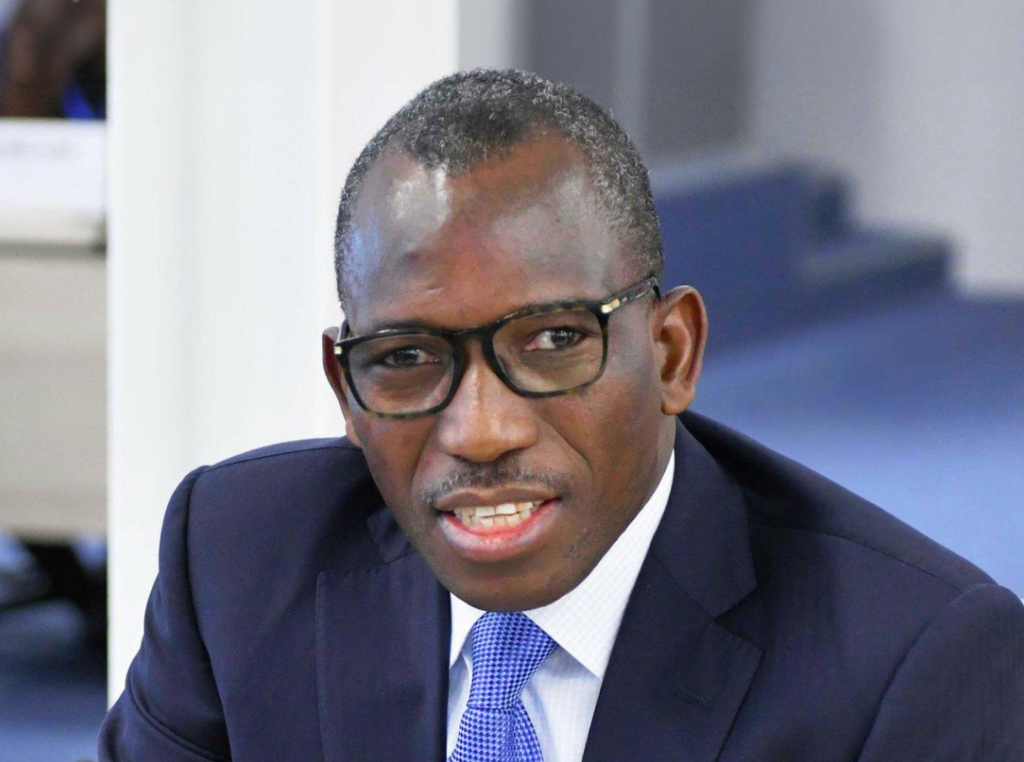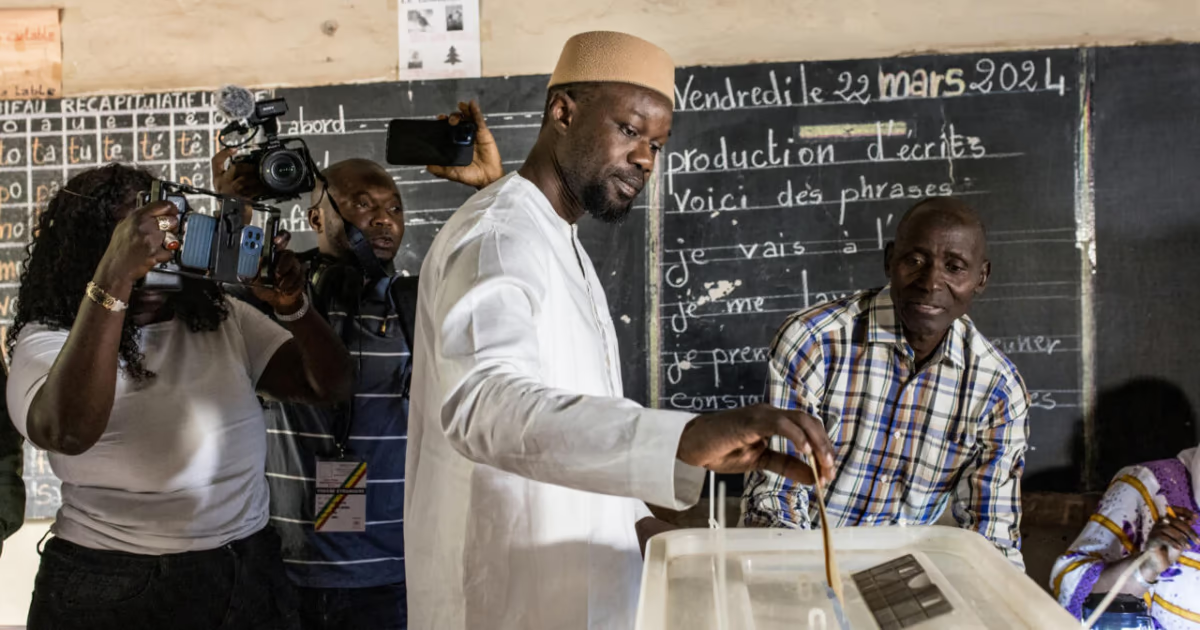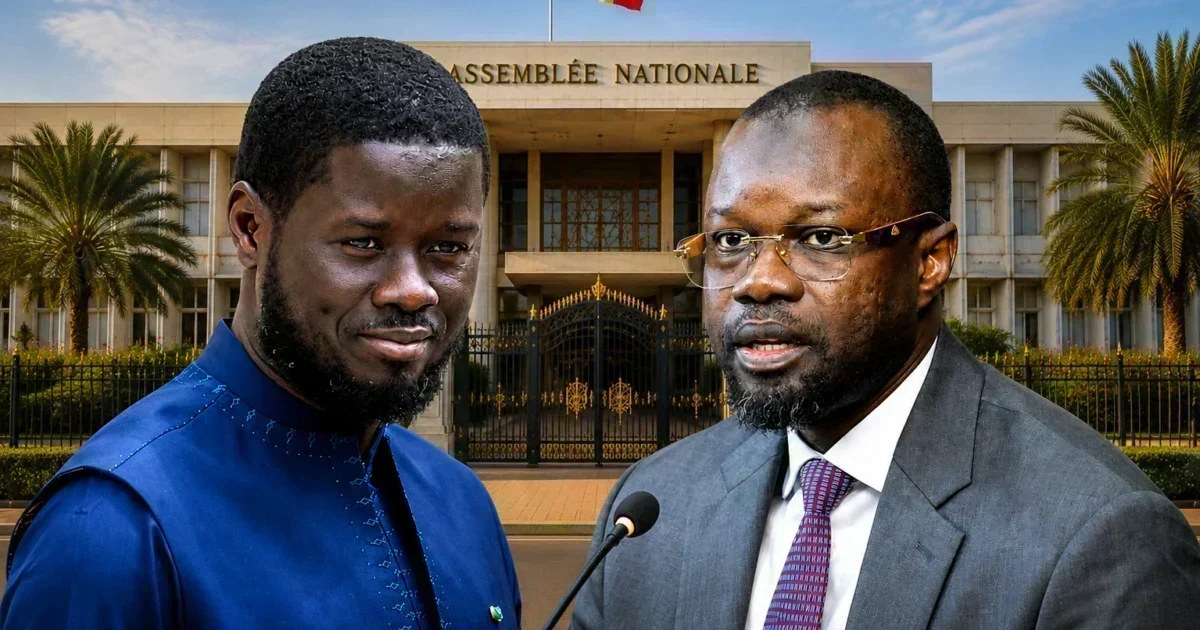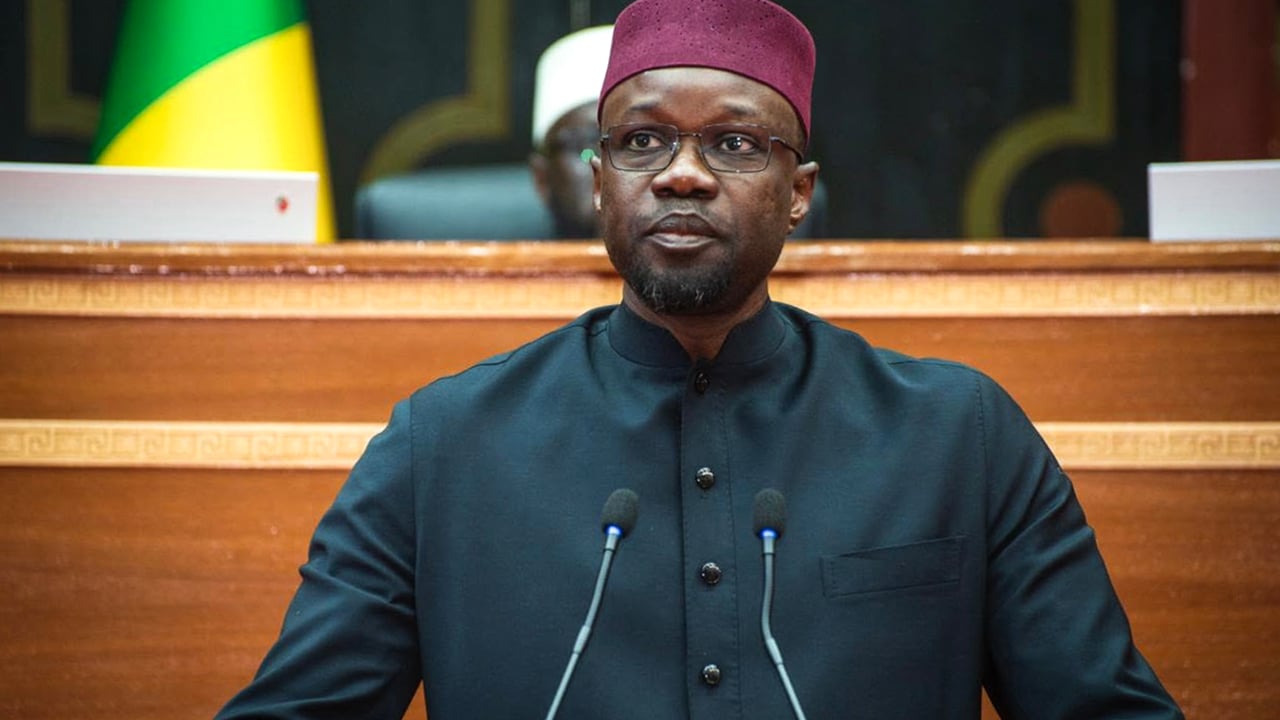
Prime Minister Ousmane Sonko recently presented a comprehensive assessment of ongoing infrastructure projects in Senegal, revealing critical findings that could reshape the nation’s development trajectory.
The inventory, compiled through data collected from various ministries, identified 245 underutilized or incomplete infrastructure assets and projects across four distinct categories. These findings emerged during an interministerial council meeting chaired by the Prime Minister, who emphasized the urgent need for action to unlock their potential.
Unfinished projects and dormant assets
Among the most pressing concerns are 30 completed but non-operational infrastructure projects, representing a staggering 279 billion CFA francs in frozen investments. Of these, 25 face significant blockages, with 15 classified as high-priority due to their financial impact and the nature of the delays.
The second category includes 23 operational assets spread across eight sectors and managed by 13 entities. These projects, valued at approximately 1,065 billion CFA francs, are candidates for recycling or valorization to maximize their utility.
The third category encompasses 94 ongoing projects that require completion. However, 62 of these are currently stalled, with an estimated total investment of 5,227 billion CFA francs. An additional 973 billion CFA francs is needed to advance these projects to fruition.
The final category involves 97 real estate and land assets, primarily located in the Dakar region. These properties, with an estimated market value of 132 billion CFA francs, require 12.1 billion CFA francs in renovation costs to restore their functionality.
Root causes of project delays
The Prime Minister outlined several key factors contributing to these delays, including:
- Financial constraints: 42 projects are blocked due to insufficient investment funds, unpaid installments, or outright payment defaults, leading to work stoppages and operational budget shortages.
- Technical challenges: 18 projects face delays caused by coordination failures between project owners and utility operators (water, electricity, telecommunications). Issues such as incomplete technical work, delayed deliveries, and missing equipment are common.
- Legal hurdles: 14 projects are stalled by legal disputes, canceled contracts, administrative bottlenecks, or unresolved institutional statuses.
- Operational gaps: 13 projects, some completed years ago, remain unusable due to a lack of operational or management models, resulting in paradoxical situations where infrastructure exists but serves no purpose.
Sonko highlighted that these blockages stem from a combination of inadequate infrastructure planning, poor coordination, and systemic inefficiencies. He stressed that ‘building infrastructure without considering its operational viability is inconceivable and directly contributes to these bottlenecks.’
Financial and operational repercussions
The Prime Minister underscored the ‘massive losses’ incurred due to these delays. These losses encompass not only financial stagnation but also missed opportunities for economic growth, job creation, and improved public services. He noted that mismatches between infrastructure supply and actual needs, coupled with formal reception failures, further exacerbate the problem.
To address these challenges, Sonko announced two major decisions:
- The establishment of a dedicated committee at the Prime Minister’s office to finalize and expand the inventory of infrastructure assets.
- A formal request to ministries to complete the inventory, which he acknowledged is far from exhaustive.
He also called for proactive measures to anticipate technical issues related to the connection of hydraulic and electrical networks for new infrastructure projects. Stressing the need for zero tolerance toward negligence and laxity, he warned that such attitudes are the primary drivers of project failures and delays.
Call for accountability and reform
Sonko’s assessment serves as a wake-up call for Senegal’s public administration, urging a shift toward greater accountability and efficiency. By addressing these systemic issues, the government aims to transform underutilized assets into catalysts for development, ensuring that every infrastructure project delivers tangible benefits to the nation.