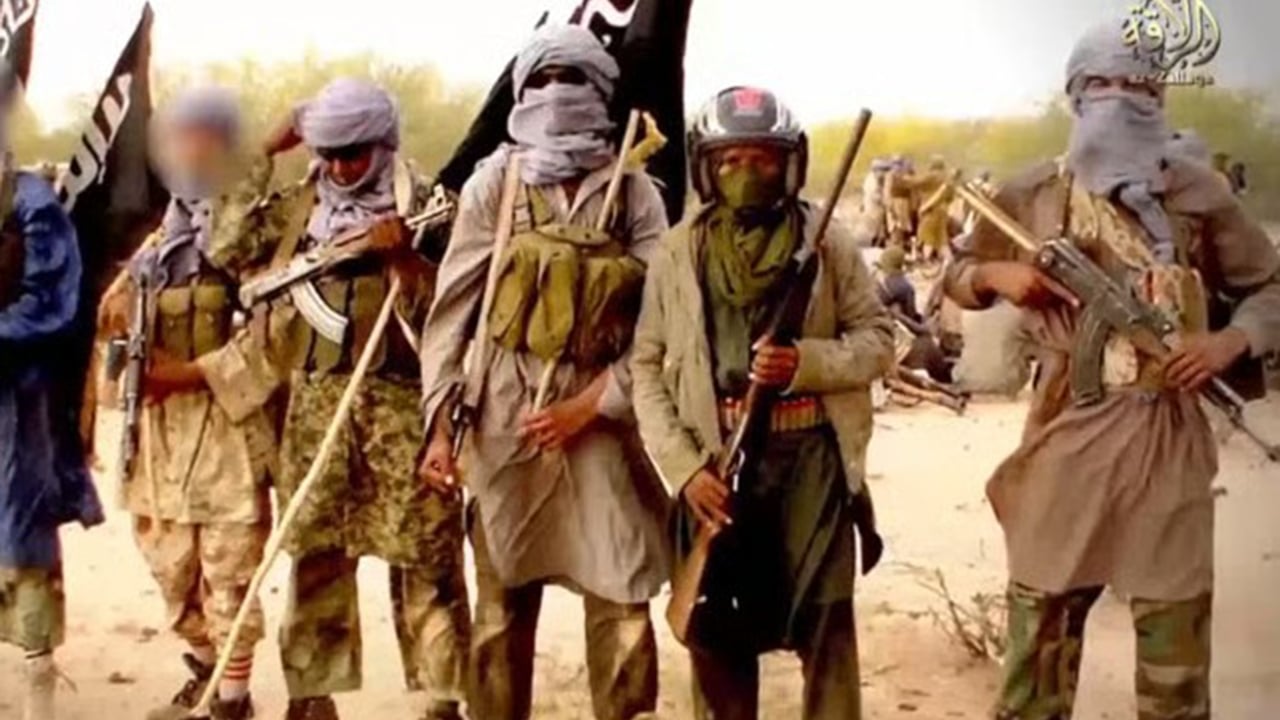

In Mali’s vast goldfields, a dangerous game is unfolding. Armed groups, particularly the Group for the Support of Islam and Muslims (JNIM), have turned artisanal mining into a lucrative revenue stream—one that fuels their insurgency and destabilizes the region. Chinese gold miners, operating in some of the country’s most remote and lawless zones, have become prime targets for extortion and kidnapping for ransom.
These miners, drawn by Mali’s untapped mineral wealth, often work under precarious conditions with minimal security. Their isolation makes them vulnerable to ambushes and forced payments, with ransom demands escalating in recent months. The funds extracted from these operations are then channeled into purchasing weapons, recruiting fighters, and sustaining the group’s operations across the Sahel.
the jihadist playbook: controlling gold to fund terror
The JNIM’s strategy is twofold: first, they exploit the weak governance in Mali’s mining zones to impose illegal taxes on miners; second, they use kidnapping as a tool to extort massive sums. Reports from field investigations indicate that Chinese nationals working in these areas have faced repeated abductions, with families and companies paying substantial sums to secure their release.
This extortion network is not just a financial lifeline—it’s a calculated move to weaken state authority and spread fear. By targeting foreign investors and local workers alike, the group undermines economic stability while reinforcing its grip on power in contested territories.
a growing crisis for Mali’s mining sector
Mali’s gold industry, once a symbol of economic hope, now faces a grim reality. The proliferation of armed groups in mining zones has forced many operators to suspend activities or relocate to safer areas. Small-scale Chinese miners, in particular, have borne the brunt of this violence, with several incidents reported in the Kayes and Koulikoro regions.
Local authorities struggle to curb these attacks due to limited resources and the vast, often inaccessible terrain where mining occurs. The absence of a strong military or police presence leaves miners at the mercy of armed factions, further complicating efforts to restore order.
what’s next for Mali’s goldfields?
The situation demands urgent action. Strengthening security in mining zones, implementing stricter oversight on ransom payments, and fostering cooperation between local communities and authorities could help dismantle this dangerous cycle. Without intervention, the JNIM and similar groups will continue to exploit Mali’s gold wealth to fund their violent campaigns, leaving a trail of economic devastation in their wake.