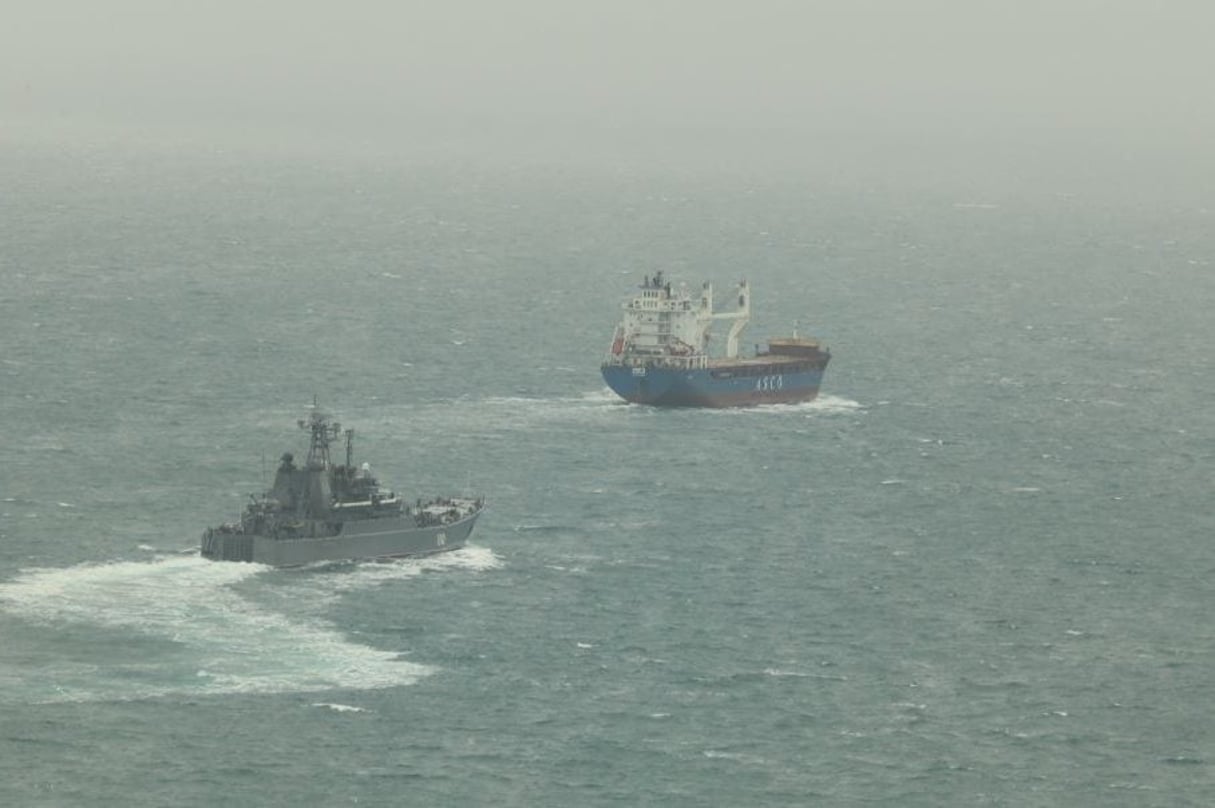
The port of Conakry has quietly transformed into a critical transit point for military shipments originating from Russia and bound for Mali. Investigations reveal a sophisticated network operating through Guinea’s coastal hub, raising concerns over the region’s security dynamics.
a growing concern for regional stability
Since early 2026, intelligence gathered from maritime routes has highlighted an increase in cargo vessels departing from Russian ports and making stops in Conakry before continuing to Bamako. These shipments, often disguised as humanitarian aid, include armored vehicles, small arms, and communication equipment. The pattern suggests a deliberate strategy to bypass international scrutiny and bolster Mali’s defense capabilities amid ongoing security challenges.
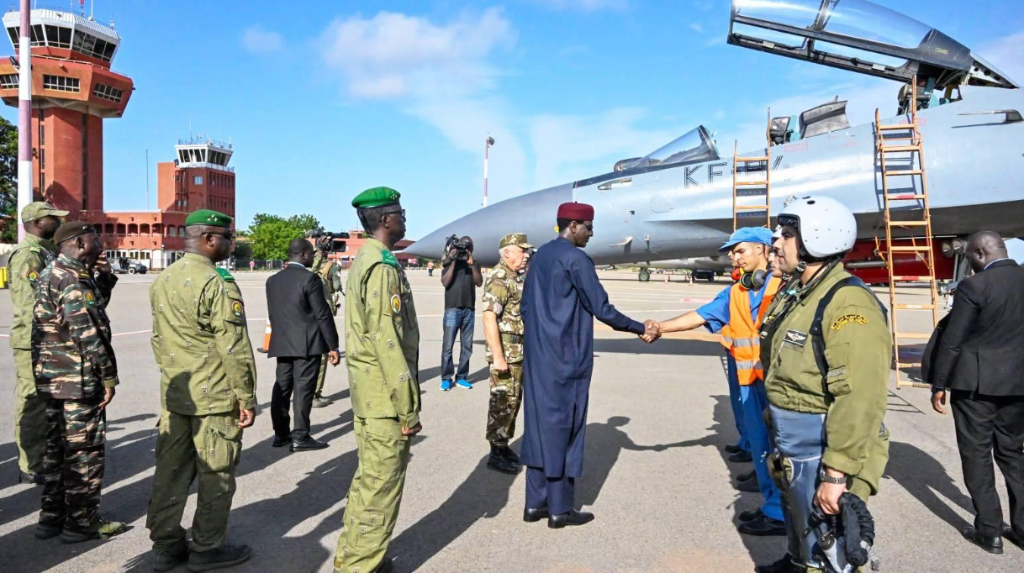
Local port authorities in Conakry have reported heightened activity, particularly in the handling of non-standard cargo containers. While official documentation claims these are commercial goods, discrepancies in manifests and loading schedules point to a more covert operation. Shipping records indicate that vessels linked to the Africa Corps — a Russian-affiliated military group — frequently dock in Conakry, unloading consignments before resuming their journey.
the role of Guinea’s leadership
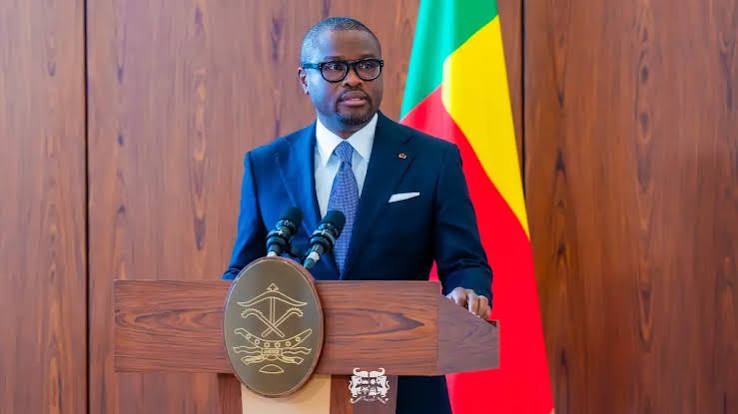
Guinea’s transitional government, led by President Mamadi Doumbouya, faces mounting pressure to clarify its stance on these shipments. Public statements from officials have emphasized neutrality, yet the volume and frequency of these operations suggest tacit approval. Analysts argue that Guinea may be leveraging its strategic position to extract economic or political concessions from both Moscow and Bamako.
The port’s operational adjustments, including extended working hours and priority handling for certain vessels, further underscore the involvement of high-level decision-makers. While Guinea maintains its right to facilitate trade, the lack of transparency raises questions about compliance with international sanctions and regional security protocols.
implications for the Sahel
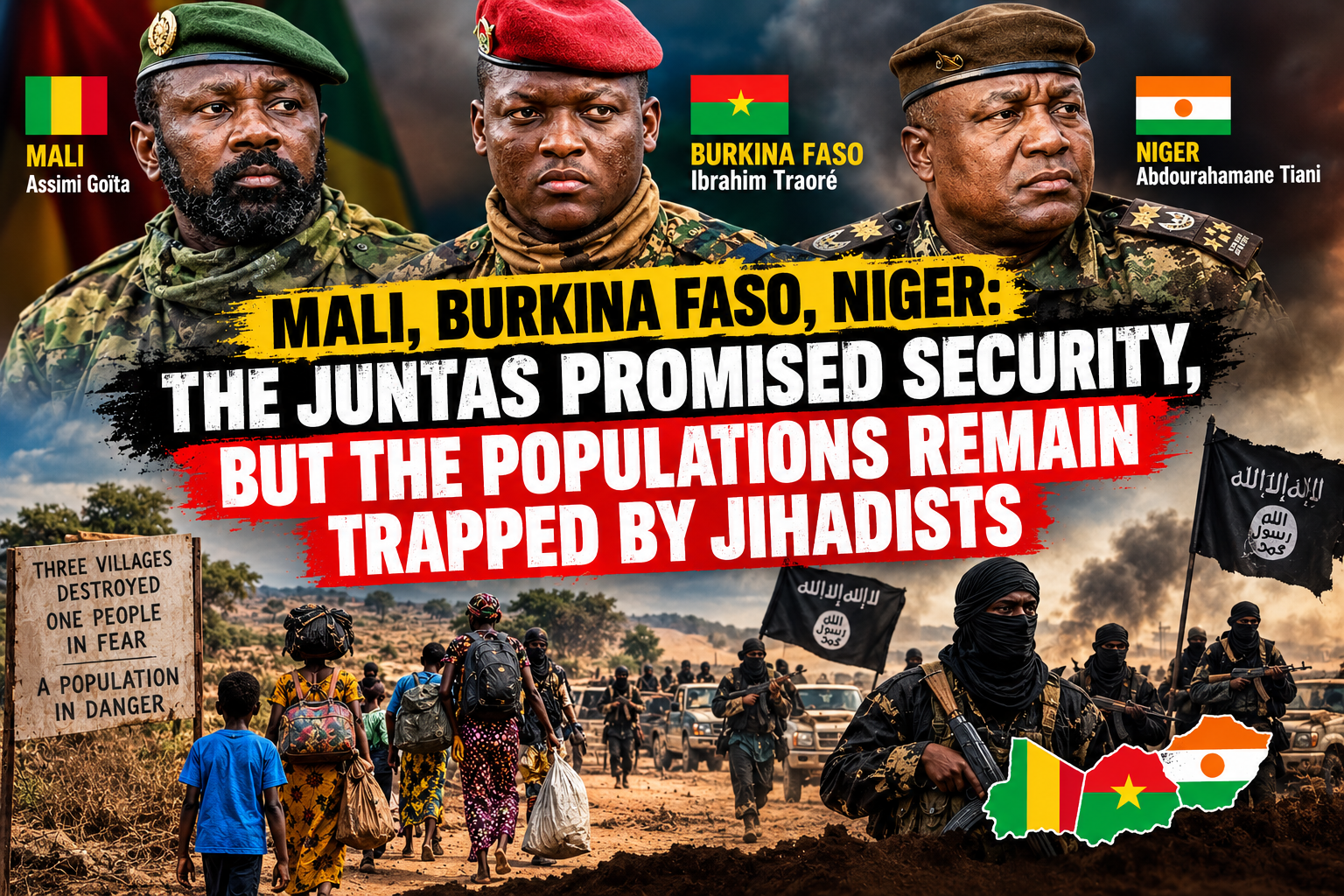
These developments come at a time when the Sahel region is grappling with escalating insurgencies and political instability. The influx of Russian military hardware into Mali could shift the balance of power, potentially altering the operational landscape for local and international forces. Neighboring countries, particularly those in the G5 Sahel, are closely monitoring the situation, wary of spillover effects that could destabilize an already fragile region.
Humanitarian organizations operating in the Sahel have expressed concern over the long-term consequences of increased militarization. The presence of foreign-backed armed groups complicates peacekeeping efforts and exacerbates the humanitarian crisis, which has displaced millions across the region.
what’s next for Conakry’s port?
The coming months will be pivotal in determining whether Guinea reasserts control over its maritime operations or continues to serve as a conduit for external military support. International observers are calling for independent audits of port activities, while regional blocs like the Economic Community of West African States (ECOWAS) are considering measures to curb unauthorized arms trafficking.
As the situation evolves, the port of Conakry remains at the center of a geopolitical chessboard, where economic interests and security imperatives collide. One thing is certain: the choices made in Guinea will have far-reaching consequences for the Sahel’s future.