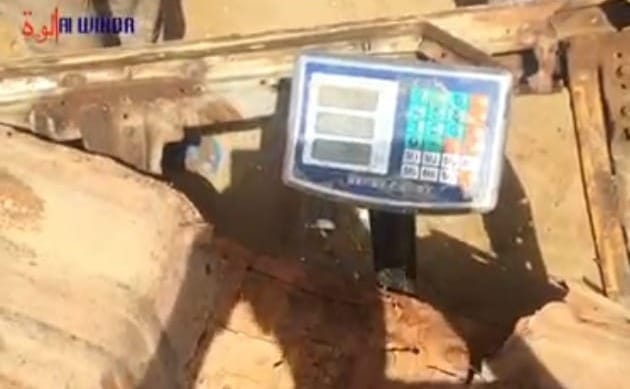
The phenomenon of « Hadid kilo » in N’Djamena is raising serious concerns among parents and authorities. This scrap metal trade, which involves children as young as eight, is spreading rapidly through the capital’s streets.
The rise of « Hadid kilo » and its consequences
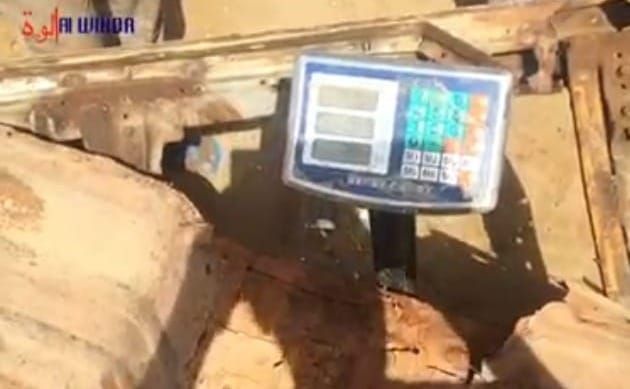
In markets and neighborhoods across N’Djamena, itinerant merchants pushing carts filled with scrap metal shout « Hadid kilo ! Hadid kilo ! » as they move through the streets. This informal trade, centered on metal recovery, is becoming increasingly lucrative—and increasingly problematic.
Many of these merchants operate without proper documentation, including work permits or residency cards. Some reportedly come from neighboring countries such as Niger and Nigeria, seeking quick income before returning home. While the trade itself may seem harmless, its impact on local children is deeply concerning.
Children exploited in a cycle of poverty
Reports from several districts—including Ngabo, Ndjari, and Zafaye—highlight alarming cases of minors selling household items to « Hadid kilo » merchants for minimal sums:
- A 10-year-old child sold his mother’s gas cylinder for just 600 FCFA;
- An 8-year-old sold his younger brother’s bicycle for 250 FCFA;
- Another child sold a part of his father’s car engine for 1,000 FCFA.
These transactions reveal a growing trend in which children are being pushed into theft and resale, driven by the promise of quick cash. Many parents fear this behavior is normalizing delinquency and putting the futures of their children at risk.
Calls for urgent government action
Residents are demanding immediate intervention from authorities to curb the exploitation of minors in this trade. Proposed measures include:
- A ban on purchasing scrap metal from children;
- Stricter monitoring of itinerant merchants in markets and neighborhoods;
- Enforcement of laws protecting minors from economic exploitation.
Observers warn that without decisive action, the « Hadid kilo » trade could foster a generation of young offenders, undermining social stability and education in N’Djamena.