Lomé is hosting a landmark regional dialogue this 3 June 2026, bringing together government representatives, regional bodies, United Nations agencies, technical and financial partners, and grassroots peacebuilders. The focus? Strengthening prevention frameworks across the Gulf of Guinea to address mounting security and socio-economic pressures.
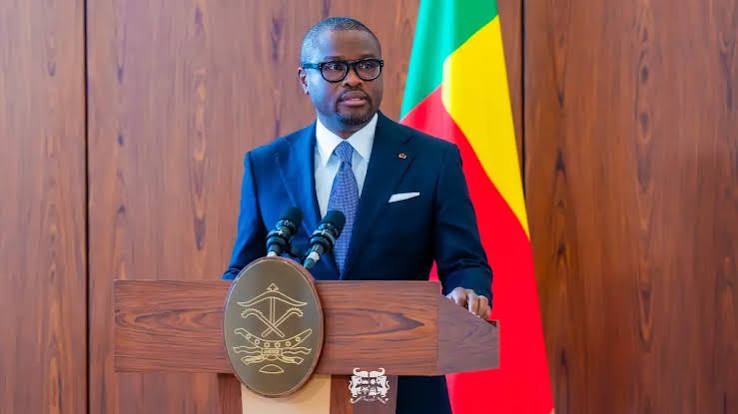
The Honourable Calixte Madjoulba, Togo’s Minister of Security, set the tone during the opening session. He warned that West Africa’s evolving threat landscape demands a unified, forward-looking strategy—not just reactive measures—to safeguard regional stability.
Converging crises in the Gulf of Guinea
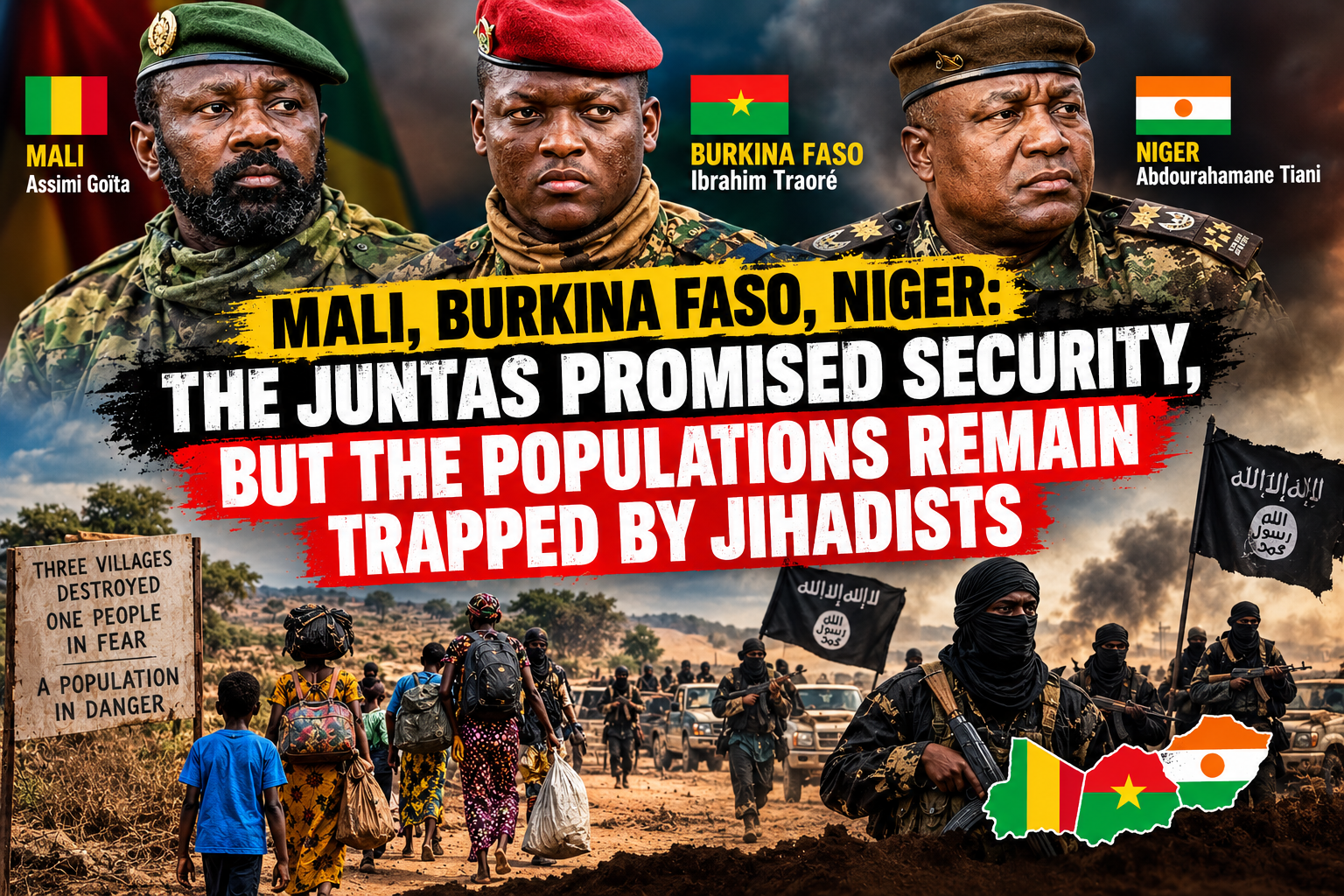
The minister painted a stark picture: violent extremism, transnational organised crime, illicit trafficking, climate-induced displacement, and communal tensions are eroding the region’s social and economic fabric. The spillover from the Sahel crisis has further strained host communities and local resources, amplifying vulnerabilities.
« No country can tackle these challenges alone, » Madjoulba emphasised, underscoring the transnational nature of today’s security threats.
Togo’s holistic security doctrine
The minister rejected the notion that security can be achieved through force alone. « Sustainable peace cannot rest on military or police responses alone, » he asserted. This stance reflects Togo’s national policy, championed by Prime Minister Faure Essozimna Gnassingbé, which integrates security, development, and social cohesion.
The strategy hinges on reducing inequalities, enhancing governance, fostering youth employment, and building resilient communities—addressing the root causes of instability rather than symptoms.
Three pillars to build resilience
Togo’s public policy rests on the triad Protect, Unite, Transform:
- Protect: Safeguard lives and uphold peace.
- Unite: Strengthen trust between citizens and institutions through dialogue and inclusive governance.
- Transform: Invest in economic opportunities, reduce disparities, and empower communities to withstand future shocks.
Madjoulba framed this framework as the ideal model for the regional dialogue, aligning with its goal of turning policy into tangible impact.
From words to action
The dialogue’s theme, « From Commitment to Impact », signals a collective push to convert political pledges into measurable results. The minister urged states and partners to move beyond declarations and deliver solutions tailored to local realities.
« Citizens deserve crisis-prevention mechanisms that anticipate shocks, de-escalate tensions early, and fortify communities for the long term, » he noted.
UN partnership for prevention
Madjoulba commended the United Nations Development Programme (UNDP), United Nations Population Fund (UNFPA), and UN High Commissioner for Refugees (UNHCR) for their support. Through the 2026–2029 Gulf of Guinea Joint Prevention Facility, these agencies are backing a prevention-centred approach focused on community resilience and inclusive economic growth.
The initiative offers a platform to share best practices, deepen cross-border cooperation, and mobilise resources for emerging challenges.
A regional roadmap for stability
Over the next two days, participants will craft an ambitious regional roadmap. Key priorities include:
- Bolstering prevention mechanisms.
- Enhancing transboundary collaboration.
- Securing sustainable financing.
- Improving monitoring and evaluation of interventions.
By championing prevention, Togo is sending a clear message: investing in early action today is cheaper—and more effective—than responding to crises tomorrow. It’s the surest path to a peaceful, prosperous Gulf of Guinea.