Libreville — A landmark decision has reshaped Gabon’s public utilities landscape. Nearly three decades after its creation, the Société d’Énergie et d’Eau du Gabon (SEEG) has been officially dissolved, marking the end of an era in national resource management.
The birth of specialized entities
In a decisive cabinet meeting held on June 25, 2026, the Gabonese government approved the restructuring of its water and electricity sectors through the establishment of two new mixed-economy companies: La Gabonaise des Eaux and Électricité du Gabon. This move represents far more than a simple administrative change—it signals the beginning of a profound transformation in the nation’s essential public services.
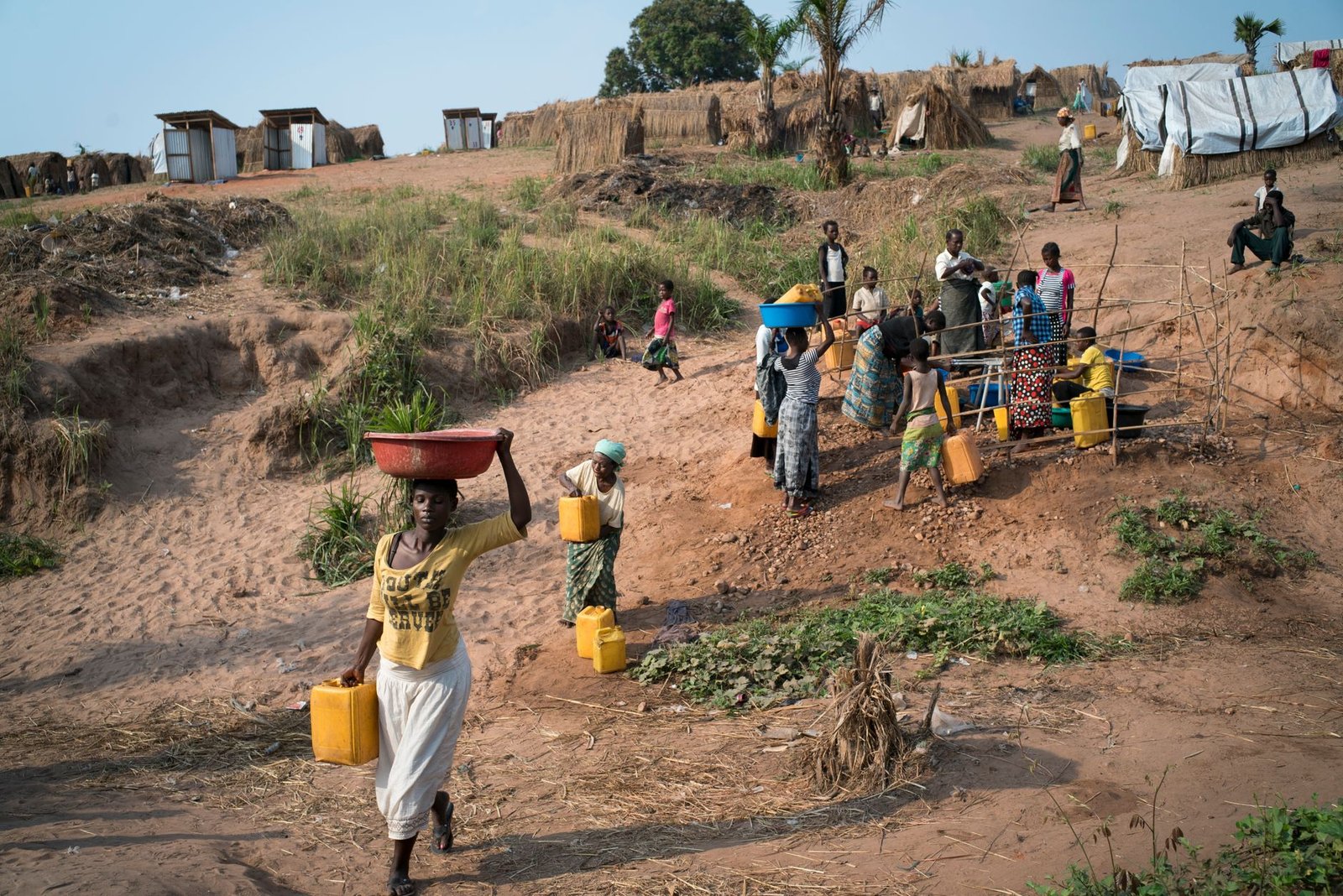
The timing of this decision, coming shortly after the President’s State of the Nation address, underscores the government’s commitment to turning its commitments into tangible actions. With persistent challenges in electricity supply and access to clean water affecting communities nationwide, this reform emerges as one of the most critical initiatives of the current administration’s five-year term.
Breaking free from outdated models
Founded in 1997 under a concession agreement with the French multinational Veolia, SEEG operated as the sole provider of both water and electricity. While this model once seemed efficient, structural weaknesses gradually emerged. Aging infrastructure, underinvestment, frequent service disruptions, and escalating urban demand highlighted the limitations of a centralized management approach.
Even after the state regained full control in 2018, systemic challenges persisted. The government’s decision to split responsibilities reflects a clear acknowledgment that water and energy management require distinct operational strategies. This specialization aims to streamline decision-making, accelerate targeted investments, and improve service reliability across both sectors.
Public-private partnerships: a strategic gamble
The new entities will operate as mixed-economy companies, allowing the state to retain strategic oversight while leveraging private sector expertise, innovation, and financial resources. This hybrid model has been successfully implemented in several African nations, balancing public interest with private sector efficiency.
However, success will hinge on critical factors: capital composition, partner selection, governance frameworks, debt resolution, and asset transfer. International financial institutions, including the African Development Bank and the French Development Agency, are closely monitoring developments, as the outcome of this reform will influence future infrastructure investments in Gabon.
For industries—particularly mining, timber, and oil—the stability of energy supply is a key competitiveness factor, making this reform a pivotal moment for the national economy.
Delivering on promises
The government frames this restructuring as a pathway to universal access to water and electricity, economic modernization, and territorial equity. Ambitious goals have been set: uninterrupted service, enhanced distribution quality, network expansion, energy transition, and secured supply.
Yet, history shows that structural change alone cannot guarantee tangible improvements. Citizens will measure success not by legal reforms but by visible reductions in power cuts, water shortages, and improved living conditions. The dissolution of SEEG presents a historic opportunity—but results will determine its true impact. La Gabonaise des Eaux and Électricité du Gabon now face the challenge of turning ambition into reality.