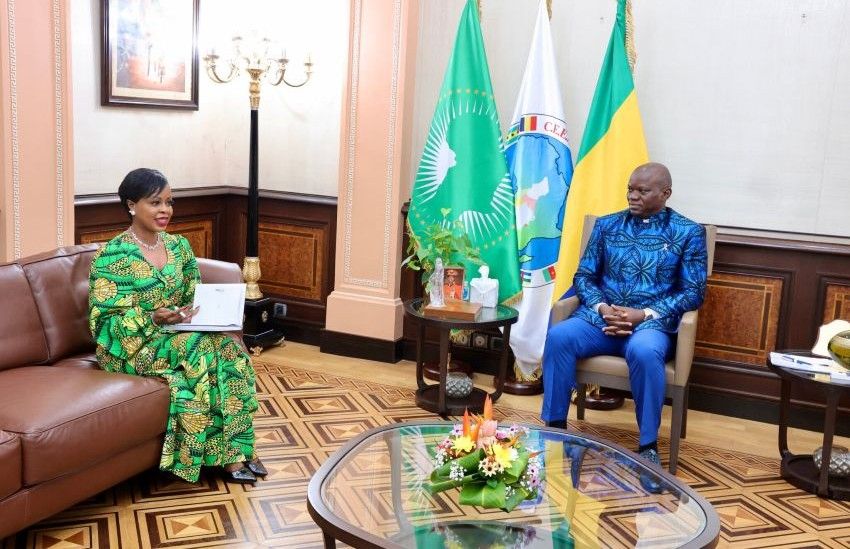
Gabon has taken a significant step toward reviving its offshore oil sector after Shell and the Ministry of Petroleum signed a memorandum of understanding last week. Industry observers see this as a vote of confidence in the country’s energy potential, particularly its deep-water reserves. The agreement follows similar moves by two other major oil companies—ExxonMobil and BP—which secured deals just months ago to explore Gabon’s offshore blocks. These developments suggest a renewed interest in Gabon as a viable destination for international energy investment.
Yet beneath the surface enthusiasm lies a more nuanced reality. The agreement signed is merely an expression of intent, not a binding commitment. Before any oil can be extracted and sold, a lengthy and uncertain process lies ahead. Shell retains the flexibility to walk away at any stage—whether due to poor exploration results, plummeting oil prices, or more lucrative opportunities elsewhere. This isn’t the first time the British company has engaged with Gabon; it operated in the country for years before exiting in 2017 and fully withdrawing in 2019. Its return today aligns with its own strategic priorities, not altruism toward Gabon.
Gabon’s government holds a strategic advantage in these negotiations—if it plays its cards right. Key questions must be addressed: What percentage of revenues will flow back to the state? How many jobs and training programs will be created for Gabonese workers? And perhaps most critically, how will these funds be managed once they arrive? History has shown that oil wealth can be fleeting; prudent governance will determine whether these resources fuel long-term development or vanish into short-term spending. With commercial production unlikely before 2033—and meaningful economic benefits even later—Gabon faces a critical window to establish robust fiscal and regulatory safeguards. Between seismic surveys, appraisal drilling, and revitalizing local supply chains, the path forward demands careful planning.
The broader regional context adds pressure to Gabon’s negotiations. Neighboring countries like Angola and Nigeria have refined their oil deals to maximize benefits, implementing strict cost recovery thresholds, progressive profit-sharing models, and rigorous transparency measures. Gabon, however, risks repeating past mistakes by relying on outdated negotiation tactics that have historically failed to translate oil wealth into sustainable progress. Shell, well-versed in such agreements worldwide, understands this dynamic all too well. The real test will be whether Gabon can impose stricter, more adaptive terms than the generic memoranda it has signed before.