The era of the SEEG has come to a definitive close. Gabon’s government has officially dissolved the Société d’énergie et d’eau du Gabon, the long-standing public water and electricity provider that operated for over four decades. In its place, two specialized entities will be established, each focusing on a distinct utility sector. This landmark decision, ratified during a recent cabinet meeting in Libreville, concludes months of speculation surrounding the future of an operator plagued by technical and financial woes.
End of an era for Gabon’s public utility sector
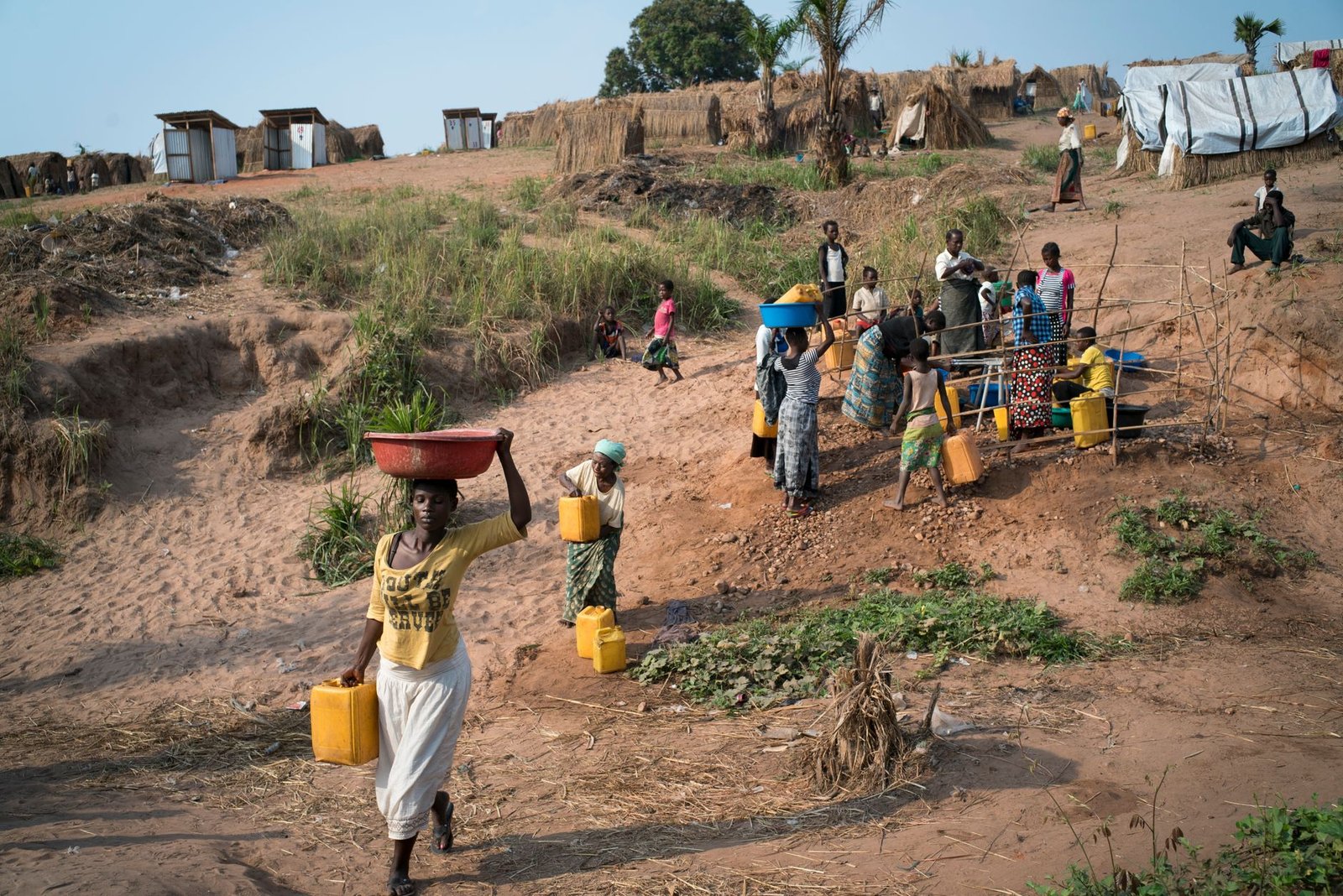
Once managed by the French group Veolia until its withdrawal in 2018, SEEG was later placed under state control. However, the company never recovered from persistent challenges, including frequent water shortages and power outages across major urban centers. Cities like Libreville, Port-Gentil, and Franceville have repeatedly faced blackouts, sparking widespread frustration among residents and businesses alike. Following the 2023 transition of power—a pivotal moment that saw the departure of Ali Bongo—the reform of the utility sector was prioritized in the national development agenda.
The government’s assessment of SEEG’s failures has been blunt. Outdated infrastructure, chronic underinvestment, opaque management, and overlapping responsibilities between production, transmission, and distribution have crippled the organization. By splitting its operations, authorities aim to streamline governance, assign clear accountability, and attract specialized investors capable of injecting capital into each segment.
Dedicated entities to revitalize Gabon’s utilities
The restructuring will result in one company dedicated to electricity and another to potable water. This model, already adopted by neighboring countries in the region, aligns with the distinct economic and operational demands of each sector. Electricity distribution hinges on large-scale generation, high-voltage networks, and energy diversification, while water management requires localized solutions, sanitation protocols, and rural infrastructure development.
The new framework is also expected to ease the arrival of targeted technical and financial partners. International lenders like the African Development Bank and the World Bank have long insisted on structural clarity before committing to long-term funding. The International Finance Corporation (IFC) has already expressed interest in sector-specific projects, pending legal reforms.
Transition challenges loom large
Implementing this reform will not be without hurdles. The fate of SEEG’s 2,000 employees looms as a critical issue, alongside the assumption of accumulated liabilities and uninterrupted billing for consumers. Authorities must also define concession boundaries, pricing mechanisms, and the role of the future regulatory authority. Labor unions have already demanded assurances on job security and the preservation of social benefits.
Strategically, the reform aligns with Gabon’s broader push for economic sovereignty under transitional leader Brice Clotaire Oligui Nguema. The nation seeks to regain control of its strategic assets while ensuring reliable access to essential services. Gabon’s untapped hydroelectric potential—bolstered by projects like Grand Poubara and Kinguélé Aval dams—remains a key asset, though its full potential hinges on operational efficiency and demand-driven investments.
While a detailed implementation timeline has not been disclosed, the government has signaled a phased rollout over the coming months. Success will hinge on robust governance and the ability to mobilize capital for critical infrastructure upgrades. The decision was formally approved by the cabinet, marking a decisive step toward reshaping Gabon’s utility landscape.