Gabon’s national debt is projected to climb to an unprecedented $15 billion by 2025, a peak never before witnessed within the economy of the Central African Economic and Monetary Community (CEMAC). This substantial figure, emerging from a period marked by severe treasury strains and an increasing reliance on regional financial markets, underscores an upward trajectory that has been building for years. Libreville now faces increasingly tight budgetary decisions, with oil revenues remaining the pivotal factor for maintaining fiscal equilibrium.
A debt trajectory raising sustainability concerns
When measured against the nation’s wealth, this financial burden now approaches the CEMAC community’s benchmark of 70% of the gross domestic product. Interestingly, Gabon, the fifth-largest economy in the sub-region, had cultivated a reputation for prudent macroeconomic management throughout the 2000s. This situation dramatically shifted due to the combined impact of the 2014 crude oil price collapse, the global health crisis, and the subsequent expansion of domestic debt held by local banks and within the public securities market of the Bank of Central African States (BEAC).
The current debt portfolio comprises a still-dominant external component, largely tied to eurobonds issued between 2013 and 2020, alongside a steadily growing domestic debt. Recurring issuances of Treasury bills and bonds on the sub-regional market have provided the necessary liquidity to meet immediate financial obligations, but at the expense of interest rates that now exert significant pressure on the operational budget. In essence, each new borrowing operation elevates the average cost of the entire debt portfolio.
General Oligui Nguema’s delicate transitionary fiscal choices
Since assuming power in August 2023, General Brice Clotaire Oligui Nguema has explicitly positioned the restoration of budgetary balance as a cornerstone of his economic agenda. The Committee for the Transition and Restoration of Institutions (CTRI) has initiated several debt audits, specifically targeting accumulated domestic payments owed to state suppliers and local authorities. The primary objective is to identify any contested claims and to reschedule those deemed legitimate, thereby freeing up crucial treasury funds for public investment.
However, this endeavor remains constrained by a demanding repayment calendar. The country faces multiple eurobond maturities in the coming years, including a significant dollar-denominated bond nearing its maturity date, presenting a major refinancing challenge. Libreville tested the international market in 2024 with a liability management operation partially linked to a debt-for-nature conversion mechanism, yet this did not fully resolve the underlying fiscal equation. Ultimately, regaining credibility among investors will necessitate transparency regarding the finance law and the resumption of formal dialogue with the International Monetary Fund (FMI).
Oil, manganese, and timber: key revenue drivers
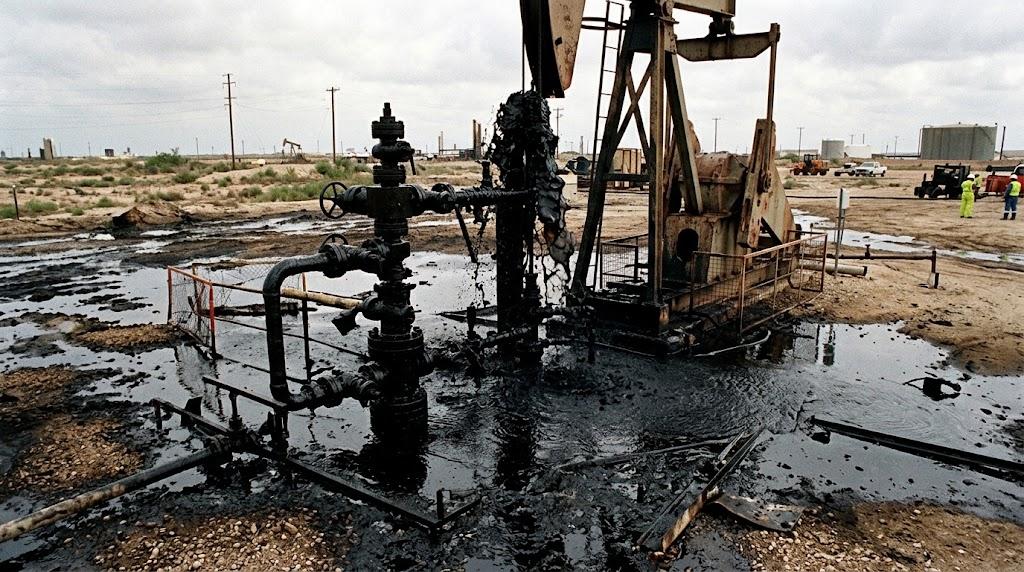
Gabon’s capacity to manage this substantial financial burden is intricately linked to the performance of its export sectors. Petroleum continues to be the bedrock of budgetary revenues, with production fluctuating around 200,000 barrels per day, albeit with a slight structural decline. Manganese, a sector where Libreville stands as a leading global producer through the Compagnie minière de l’Ogooué (Comilog), a subsidiary of the French Eramet group, contributes an increasingly vital share, propelled by robust Asian demand. The processed timber industry, anchored by the Nkok special economic zone, completes this revenue triptych.
Furthermore, authorities are banking on an acceleration of road and energy infrastructure projects to stimulate non-oil sector growth. Key initiatives like the Transgabonaise and various hydropower partnerships are expected to drive annual economic activity beyond 3%, a crucial condition for stabilizing the debt-to-GDP ratio. Without this revitalization, Gabon risks further deterioration of its sovereign credit rating, following several successive downgrades by international agencies in recent years.
The budgetary roadmap presented for 2026 will therefore need to meticulously balance spending discipline, the mobilization of non-fiscal revenues, and targeted renegotiations of the existing debt stock. This represents a challenging but absolutely critical equilibrium for the country’s credibility in both regional and international financial markets. The level of debt anticipated for 2025 signals a significant point of concern for Gabon’s economic trajectory.