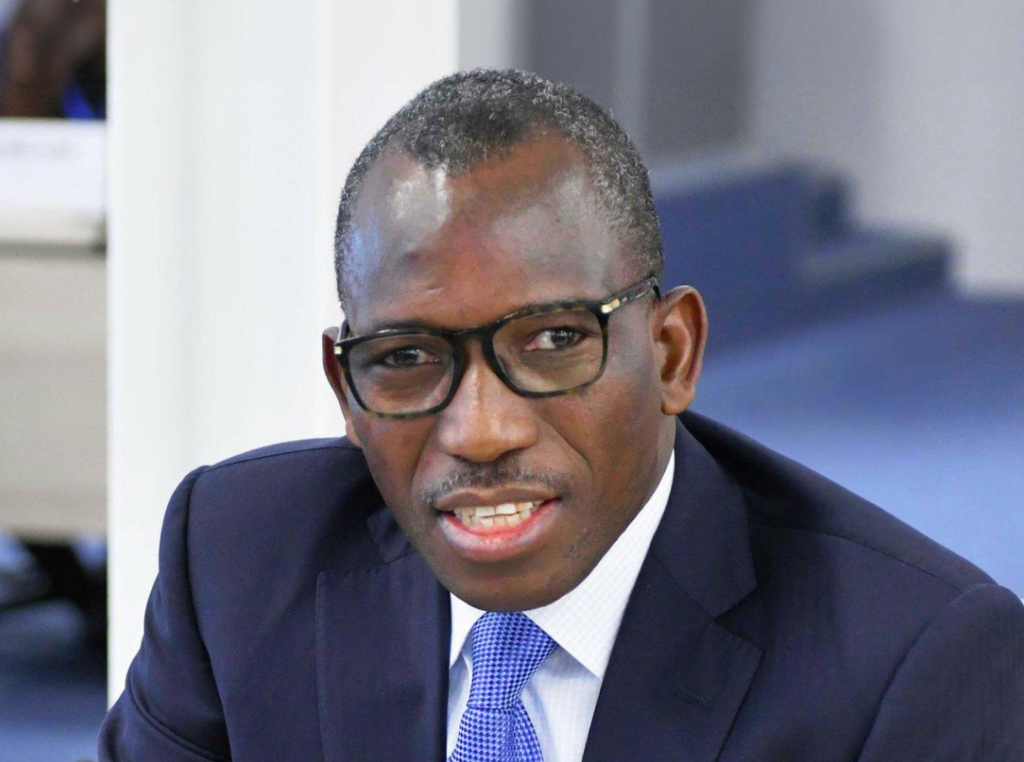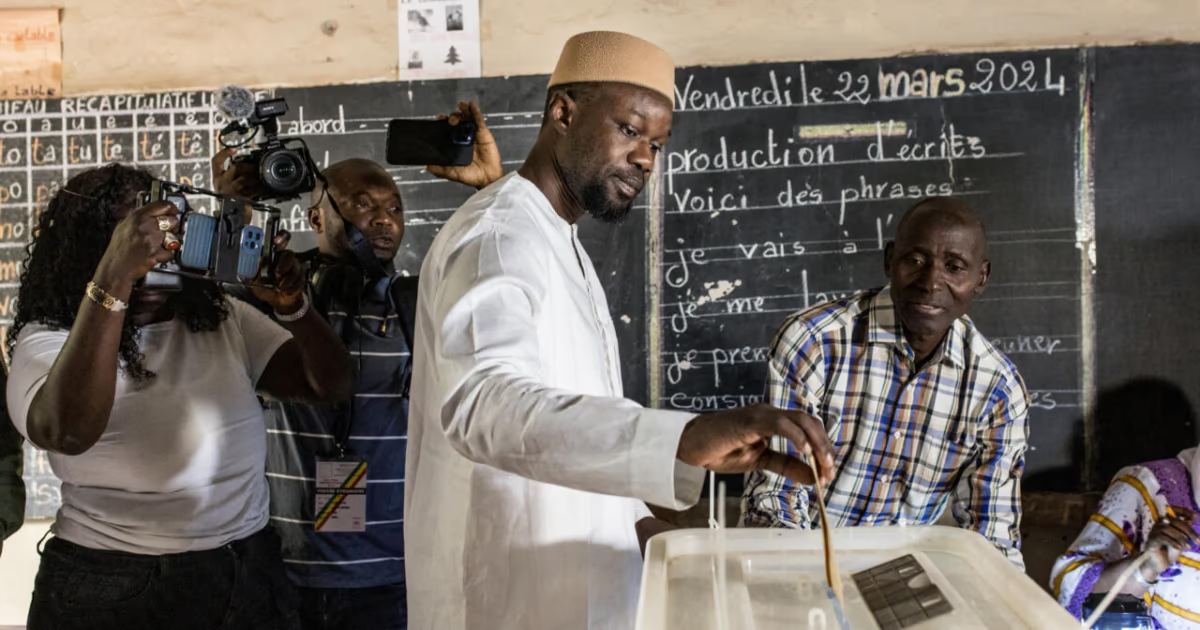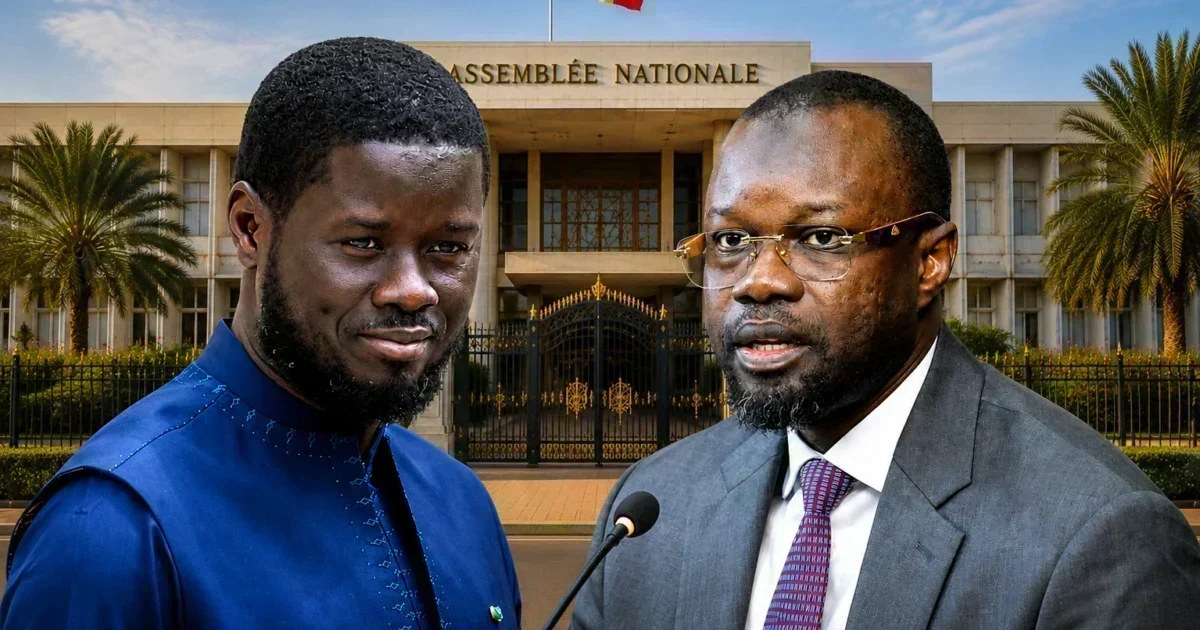
The homecoming of Macky Sall to Senegal, months after concluding his presidential term in April 2024, has reignited the deep political divides shaping the nation. Yoro Dia, a former presidential communications advisor and prominent figure in the Alliance for the Republic (APR), wasted no time in launching a scathing critique of the current administration led by Prime Minister Ousmane Sonko, leader of the Pastef party.
Macky Sall’s return: a calculated political maneuver
Since handing over power to Bassirou Diomaye Faye, Macky Sall had largely retreated from the national spotlight, residing abroad and limiting his public engagements to select international forums, including his role in the Paris Pact for People and the Planet. His arrival in Dakar is widely interpreted by his supporters as a pivotal moment—one that could galvanize an organized opposition against the Faye-Sonko executive duo.
Yoro Dia, who previously served as government spokesperson under Sall’s presidency, opted for a deliberately provocative tone. By declaring that Senegal was « reclaiming its soul and values, » the former presidential communicator framed Sall’s return as a quasi-restorationist narrative. His direct assault on Ousmane Sonko—portrayed as embodying a « denial of Senegal »—underscores the lingering bitterness within political circles displaced since March 2024.
An unbridgeable divide between Pastef and the former regime
These remarks coincide with a tense political climate in Senegal. The Sonko-led government has initiated sensitive initiatives, including audits targeting former administration officials and the release of a Court of Auditors report that has drawn fierce criticism from the previous regime’s leaders. Several ex-ministers and high-ranking officials now face judicial scrutiny or travel bans.
In this charged environment, every statement from an APR representative carries added weight. Yoro Dia’s choice of words transcends partisan rhetoric, framing a broader question of historical legitimacy: who holds the right to define Senegal’s national narrative? The current administration champions a sovereignist agenda, emphasizing resource nationalization and institutional reform. Meanwhile, Sall’s political heirs highlight a decade of achievements, including landmark infrastructure projects like the Regional Express Train and the new Diamniadio urban hub.
Senegal’s political clash resonates beyond its borders
The rivalry between Sall and Sonko extends far beyond domestic politics. The former president retains significant regional influence, particularly within the Economic Community of West African States (ECOWAS), where he represented a diplomatic approach toward Sahel’s military regimes. Sonko, in contrast, advocates a more assertive Pan-African stance, calling for rebalanced ties with traditional partners like France and pushing for stronger monetary and security sovereignty.
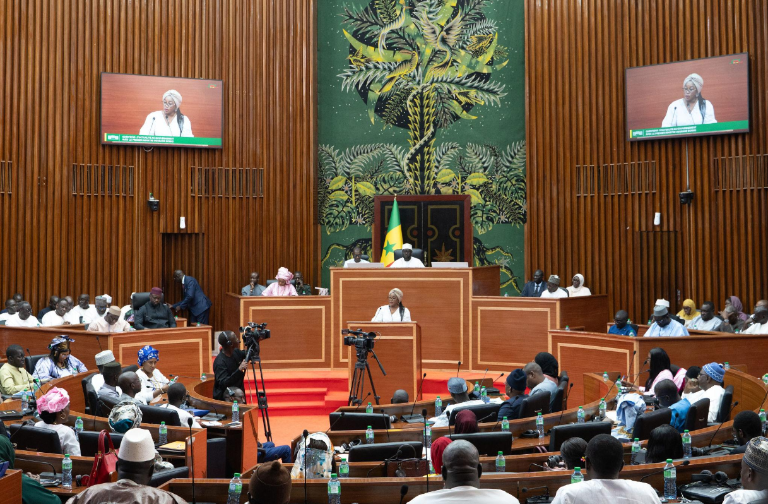
This clash of visions now plays out in rhetoric. Yet Senegal’s political culture, steeped in robust debate, typically absorbs such verbal escalations without descending into open conflict. The November 2024 early legislative elections, which delivered a landslide victory to Pastef, cemented a clear institutional balance of power—one that the opposition has struggled to challenge effectively thus far.
For investors and diplomatic partners, Sall’s physical return sends a signal worth monitoring. It could reinvigorate an opposition that has struggled to cohere, while reactivating legal cases that risk deepening polarization. The Sonko government’s ability to advance its economic agenda—amid budget constraints and IMF oversight—will hinge partly on how it navigates this new political reality.