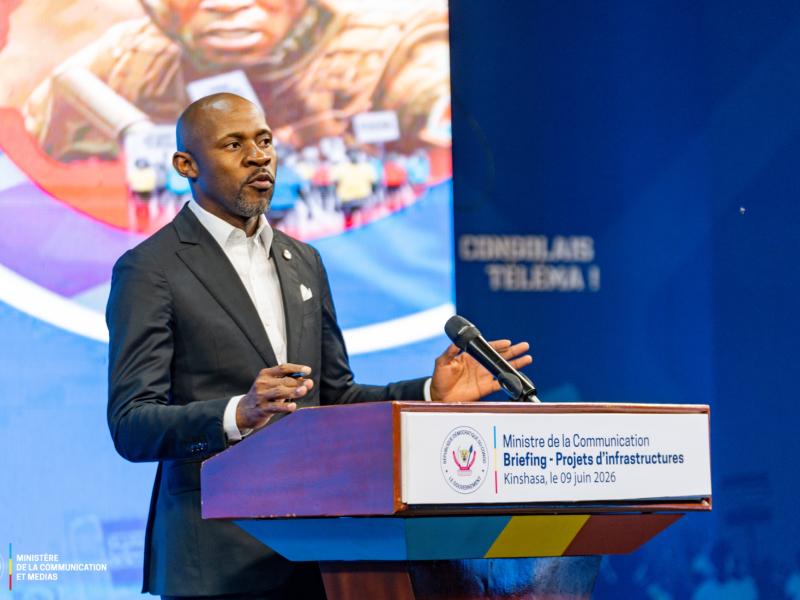
DRC: “Une ordonnance présidentielle fixera les termes et les modalités d’organisation du dialogue national” (Muyaya)
- Politique
President Félix Tshisekedi has announced the upcoming convocation of an inclusive and resolutely republican national dialogue for the Democratic Republic of Congo. This pivotal announcement was made on Friday following a significant meeting with representatives of the DRC’s principal religious denominations.
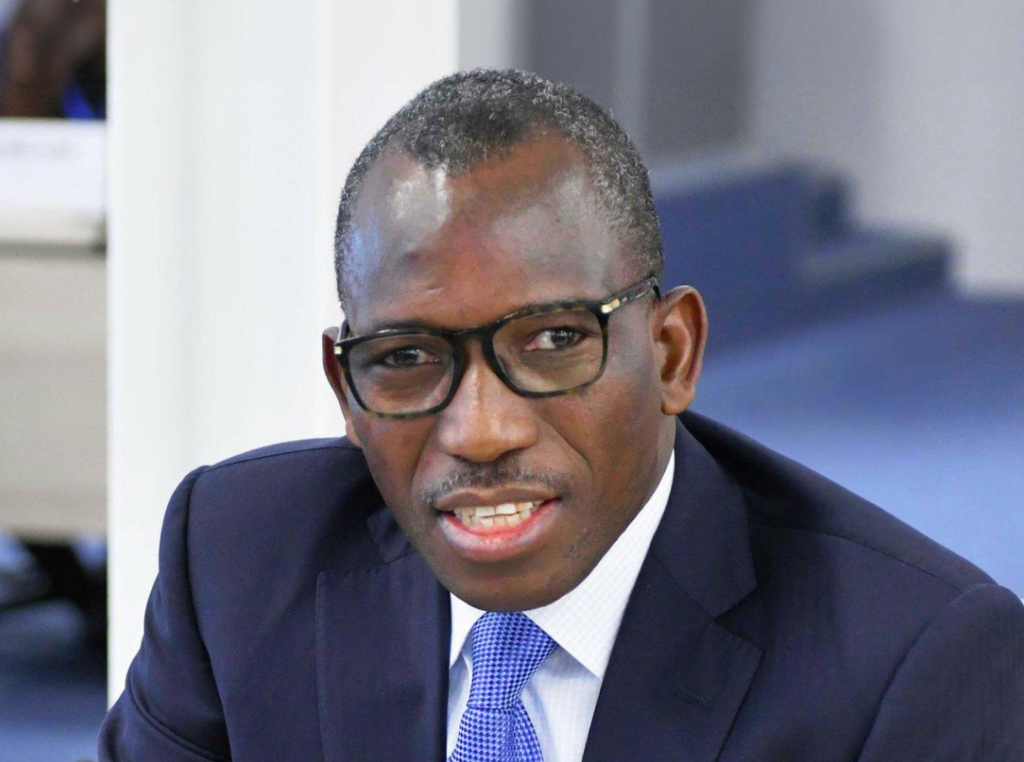
During a press briefing held after the President’s declaration, government spokesperson Patrick Muyaya confirmed that a presidential ordinance would soon be issued. This decree is set to establish the precise framework, operational modalities, and detailed arrangements for organizing this much-anticipated national dialogue, a process that has been sought for several months by a considerable segment of the Congolese socio-political landscape.
“The President of the Republic, acting as the guarantor of the nation under Article 69 of the Constitution, will take an ordinance in the coming days that will define the terms and specifics of how this dialogue will be organized. I reiterate that he himself will oversee the execution of this dialogue, which includes working with the heads of religious denominations to build national cohesion. This initiative aims to bring together Congolese men and women from all walks of life, united by the shared goal of ending aggression and ensuring the national unity of our country,” stated Patrick Muyaya.
This significant political development, marked by President Tshisekedi’s firm commitment to initiating a national dialogue, unfolds against a complex socio-political backdrop. The nation continues to grapple with a persistent security crisis in eastern DRC, where Kinshasa maintains that Rwanda is actively supporting the AFC/M23 rebellion. Furthermore, the decision comes amidst intense disagreements surrounding a potential constitutional reform. The opposition has accused the ruling majority of intending to modify the Constitution to allow President Tshisekedi to remain in power beyond the legally stipulated two-term limit, an accusation vehemently denied by the government.
The new political sequence also emerges as ongoing diplomatic initiatives have struggled to produce concrete results. Efforts such as the Washington Accords, brokered under the auspices of the United States to foster rapprochement between Kinshasa and Kigali, and the Doha process, mediated by Qatar between the Congolese government and the AFC/M23 rebellion, have yet to significantly improve the situation on the ground. Despite numerous meetings and persistent efforts by mediators, armed conflicts and heightened tensions endure, with all parties continuing to level accusations of violating peace commitments.
This crucial step was also preceded by a series of regional consultations involving heads of state from Burundi, Congo-Brazzaville, and Angola. Through these high-level exchanges, regional leaders expressed their collective determination to assist the Democratic Republic of Congo in overcoming its current challenges. They underscored the indispensable need to preserve national unity as a cornerstone for jointly addressing the nation’s development challenges and safeguarding the territorial integrity of the DRC.

Thérèse Nguimfack
Journalist