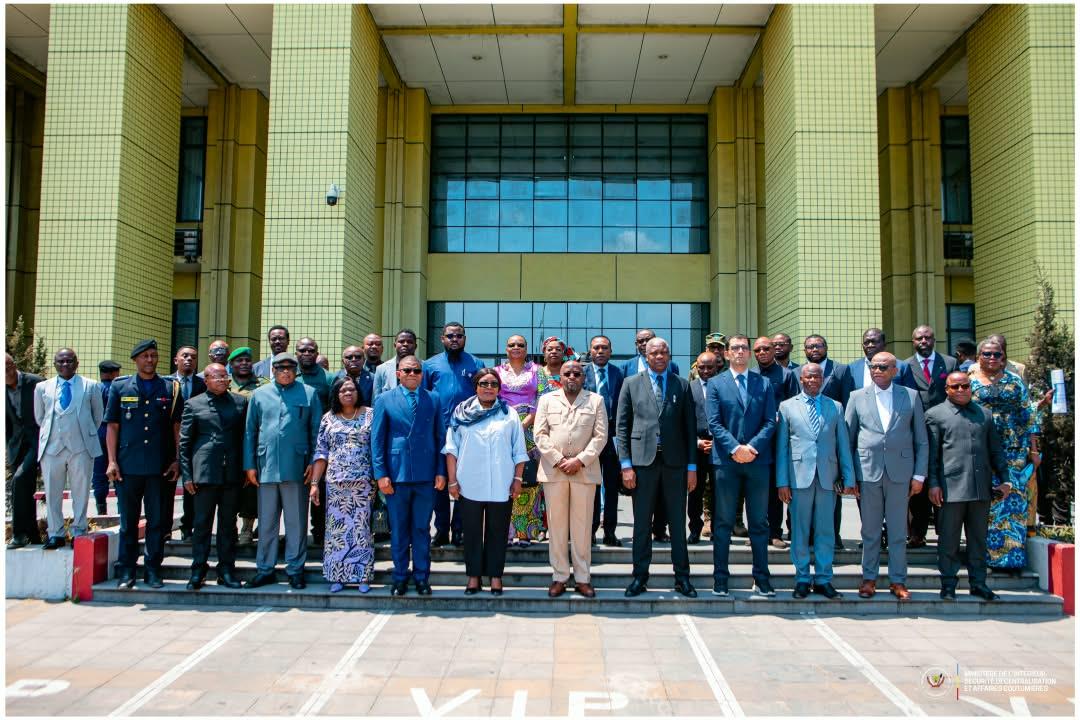
The Gabon Economic Forum (GEF) 2026 convened on June 27 at Libreville’s Cité de la Démocratie, uniting the nation’s top economic leaders under the banner of the Gabonese Employers’ Federation (FEG). For the first time in its history, the event was fully financed and organized by the private sector, devoid of public subsidies or institutional partnerships. This shift underscores the Gabonese business community’s resolve to assert its independence from government influence and shape the economic reform agenda.
Two pressing issues dominated the FEG’s agenda: the financial health of the National Health Insurance and Social Guarantee Fund (CNAMGS) and the mounting domestic debt crisis that has long stifled local businesses’ liquidity. Organizers structured the forum around eight thematic workshops, each addressing critical priorities for public authorities.
Demanding transparency: a full audit of the CNAMGS
The FEG has formally requested a comprehensive audit of the CNAMGS, the cornerstone of Gabon’s social protection system. Employers contribute heavily to the fund, yet many question whether their investments yield tangible benefits in service quality or financial transparency. Discussions highlighted recurring delays in reimbursements to healthcare providers and lingering doubts about the fund’s long-term viability.
For the private sector, an independent audit is non-negotiable before any structural reforms can proceed. The federation argues that clarifying the CNAMGS’s accounts is essential to restoring trust in the transitional government’s proposed social pact. Behind this technical demand lies a deeper political message: re-establishing credibility between private contributors and public institutions managing their funds.
A structured plan to tackle Gabon’s domestic debt
The second pillar of the forum’s discussions centered on domestic debt, a chronic drain on Gabon’s public finances. The FEG presented a detailed repayment plan to the state, developed through collaboration among its members grappling with unpaid invoices. Many small and medium-sized enterprises (SMEs)—the backbone of Gabon’s economy—struggle to meet their own obligations due to uncollected debts from government agencies and public entities.
The proposed solution outlines a phased payment schedule, rigorous certification of claims, and a private-sector monitoring framework. This approach aims to prevent past repayment plans—criticized for their opacity and inconsistent enforcement—from repeating. It aligns with the transitional authorities’ broader efforts to restore confidence in Gabon’s financial commitments, both domestically and internationally.
The private sector steps into the driver’s seat
The decision to self-finance the GEF 2026 sends a clear political signal. It breaks from the tradition of state-cosponsored economic forums, where blurred lines often diluted private sector voices. By controlling the logistics and thematic focus, the FEG positions itself as a proactive force rather than a mere echo of top-down policies.
This assertive stance arrives at a pivotal moment for Gabon’s economy, caught between the need to diversify revenue beyond oil and manganese, the urgency of fiscal consolidation, and the pressing challenge of youth employment. The eight workshops covered critical areas, from infrastructure and taxation to the business climate and vocational training.
The ball is now in the government’s court. The FEG’s blend of technical proposals and quantifiable demands leaves the executive little room for ambiguity: either engage substantively or risk a hardening of the private sector’s rhetoric in future negotiations.