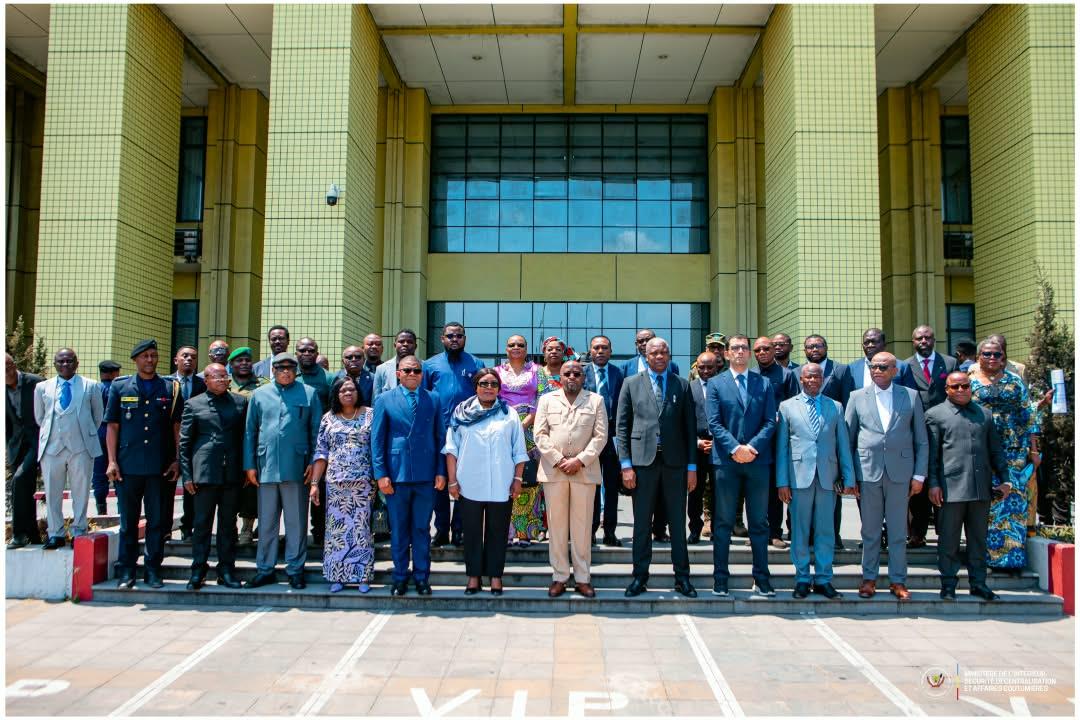
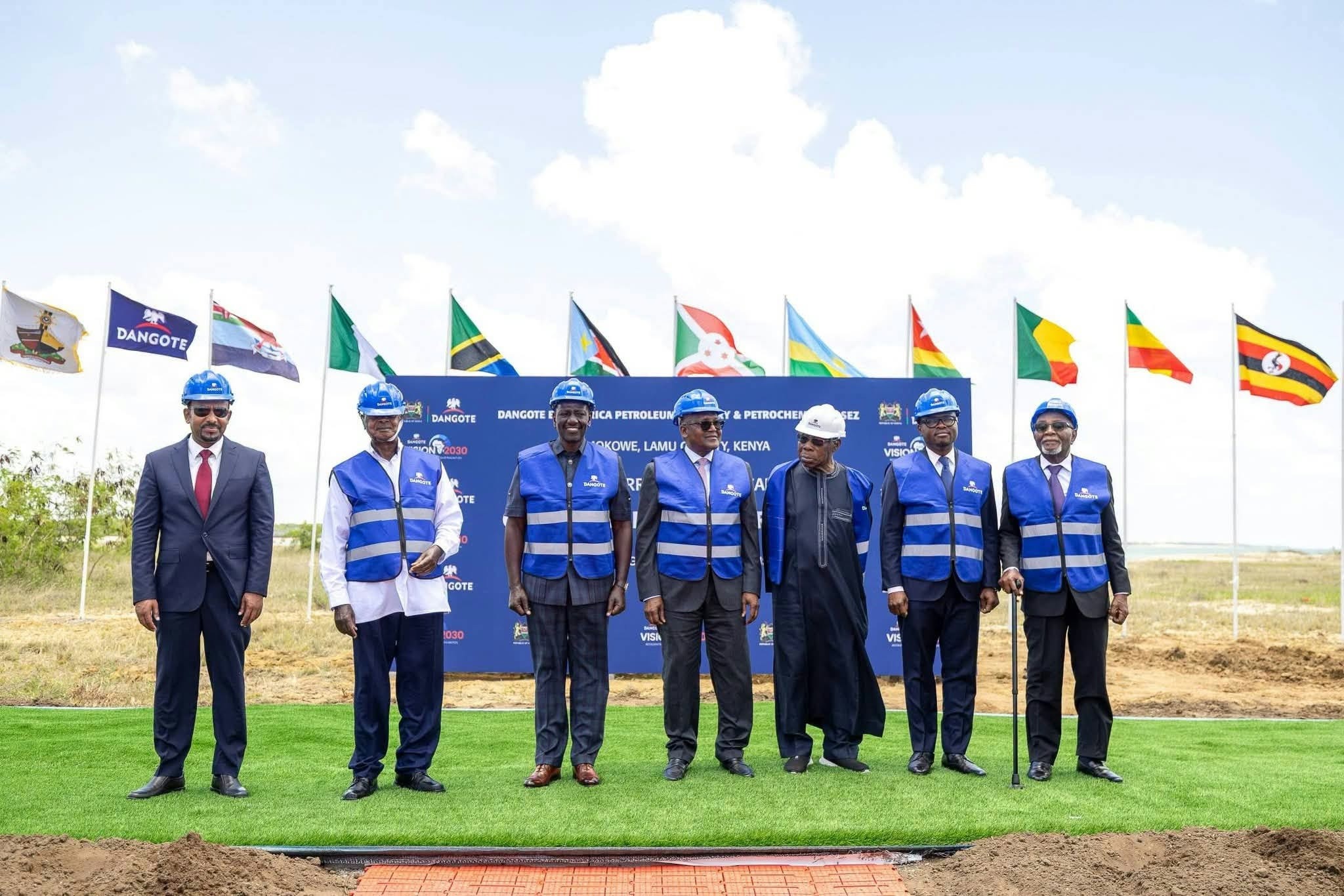
Government officials and UNODC experts at the opening of the evaluation mission in Libreville
Gabon strengthens its fight against corruption through UN-backed review
The Government of Gabon has taken a decisive step in its commitment to transparency and accountability by launching a four-day anti-corruption evaluation mission in Libreville. Led by Vice-President Hermann Immongault, the event marks the second cycle of the United Nations Convention against Corruption (UNCAC) peer review process, bringing together national officials, UNODC experts, and international partners.
This critical assessment, running from June 29 to July 1, 2026, focuses on evaluating Gabon’s progress in implementing preventive measures and asset recovery mechanisms—key pillars of the UNCAC framework. The mission follows the country’s initial evaluation in 2010, which centered on criminalization, law enforcement, and international cooperation.
Rebuilding trust through integrity and reform
Since ratifying the UNCAC in 2007, Gabon has pursued sweeping reforms to enhance public governance, strengthen institutional accountability, and foster economic resilience. Vice-President Immongault emphasized the transformative power of integrity in governance, stating:
« Public integrity is the cornerstone of effective governance—it ensures investor confidence, bolsters economic competitiveness, and lays the foundation for sustainable, equitable development. »
Séraphin Ondoumba, UNODC focal point and member of the National Commission to Fight Corruption and Illicit Enrichment (CNLCEI), highlighted the broader significance of the dialogue:
« This peer review is more than a technical exercise—it’s an opportunity to foster collaboration among participating states, share best practices, and elevate our collective efforts against corruption. »
Key focus areas: prevention and recovery
Under the guidance of UNODC’s Chief of Mission, Mohamed Cherbal, the evaluation will scrutinize Gabon’s anti-corruption frameworks, particularly:
- Preventive measures: Strengthening institutional safeguards, whistleblower protections, and transparency in public procurement.
- Asset recovery: Assessing the effectiveness of mechanisms to trace, freeze, and repatriate illicit funds.
- Policy alignment: Ensuring legislative and operational frameworks align with UNCAC standards.
Nestor Mbou, President of the CNLCEI, framed the mission as a catalyst for continuous improvement:
« This direct dialogue is not just about compliance—it’s about identifying what works, addressing gaps, and crafting actionable recommendations to refine our national strategy. The goal is a more accountable, citizen-centered administration. »
Path forward: building a corruption-resistant future
The findings of this evaluation will shape Gabon’s next phase of reforms, guiding the development of stronger national systems for corruption prevention, oversight, and illicit asset recovery. By fostering a culture of transparency and accountability, the country aims to attract investment, enhance public trust, and accelerate inclusive growth.