Gabon: presidential dialogue aims to transform SEEG operations
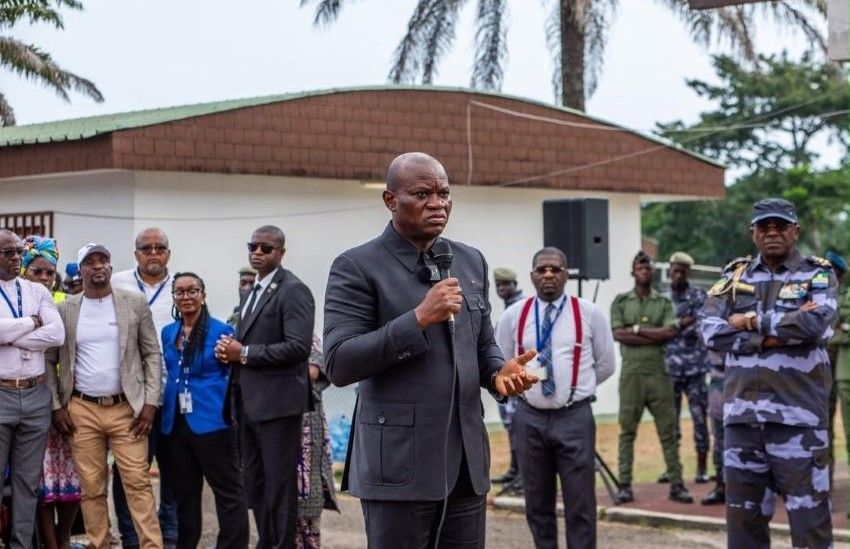
Libreville, Tuesday, June 30, 2026 – In a bold departure from conventional crisis management, President Brice Clotaire Oligui Nguema chose direct engagement over administrative distance to address the longstanding challenges facing Gabon’s Société d’Énergie et d’Eau du Gabon (SEEG).
The three-hour session held at the Jean Violas training center in Owendo marked a pivotal moment in the nation’s approach to resolving a crisis that has increasingly strained the country’s economic and social fabric. Rather than relying on formal statements, the Head of State listened to frontline agents, asked probing questions, and set clear expectations for transformation.
The meeting, initiated at the request of SEEG employees, follows years of growing public frustration over erratic water and electricity services. Recurring outages, aging infrastructure, and governance concerns have thrust the energy sector into the spotlight, demanding urgent solutions.
This presidential initiative reflects a broader strategy to rebuild trust by fostering direct communication between leaders and those responsible for service delivery. The goal: uncover root causes of dysfunction and accelerate corrective action.
Transparent dialogue reveals operational realities
During the session, SEEG staff openly shared their daily operational challenges. Years of accumulated inefficiencies, organizational bottlenecks, technical constraints, and managerial shortcomings were laid bare. The agents themselves acknowledged that sustainable recovery requires a collective reset—one that demands stronger governance, improved work practices, and heightened accountability at all levels.
This candid internal assessment signals a shift from viewing SEEG’s problems as purely technical or financial issues. The conversation has expanded to include governance, workplace culture, and performance standards—key pillars for long-term success.
Governance as the cornerstone of reform
President Oligui Nguema emphasized that effective reform hinges on transparency, accountability, and a commitment to the public good. In his address, he made it clear that modernization cannot be achieved through financial investments alone; it requires capable leadership and rigorous management.
His stance underscores the government’s broader push to enhance public service efficiency. For SEEG, this means restoring public confidence, which has been severely eroded by years of unreliable service. The objective is clear: transform the utility into a model of reliability, service excellence, and citizen satisfaction.
Water and electricity: foundations for national progress
The Head of State reiterated that access to clean water and reliable electricity are not merely technical concerns—they are fundamental drivers of economic growth, public health, education, and social welfare. This perspective has driven the government’s sustained focus on the energy sector since the Transition and beyond.
A visit to the Jean Violas training center allowed the President to assess the facility’s role in upskilling the workforce—a critical component of SEEG’s transformation. Human resource development has emerged as a linchpin of the modernization agenda.
Following the discussions, SEEG staff reaffirmed their commitment to the recovery effort. Their dedication aligns with the government’s vision: to build a modern, reliable utility capable of meeting the evolving needs of the Gabonese people.
In a nation where energy access directly shapes economic prospects, this meeting represents more than a policy discussion—it embodies a conviction that complex challenges demand shared responsibility and collective action. By prioritizing dialogue, the administration has taken a decisive step toward reshaping SEEG’s future.