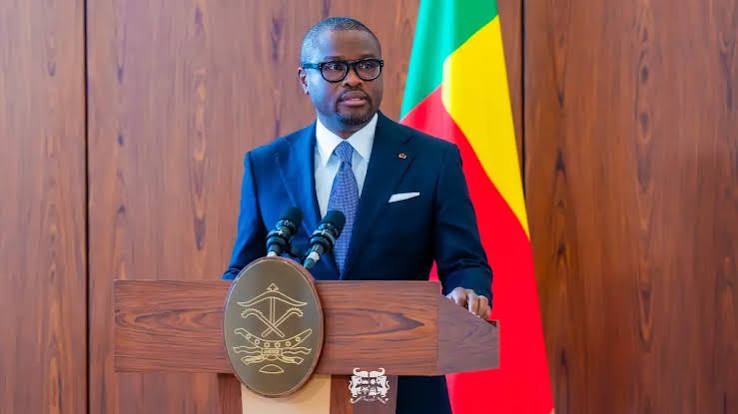
The Gabonese Republic is taking a decisive step toward industrial self-sufficiency with the launch of Prometal Gabon’s rebar manufacturing plant. On July 1st, Minister of Industry and Local Transformation Lubin Ntoutoume inaugurated construction at the Nkok Special Investment Zone (ZIS). The 38 billion FCFA project, a public-private partnership between the Gabonese government and the Pometal Group, is set to span 24 months of intensive development. Once operational, the facility will produce 60,000 tons of rebar annually, marking a significant milestone in the country’s industrial diversification strategy.
This initiative aligns with Libreville’s broader policy of reducing reliance on imported steel products. Gabon currently imports a substantial portion of its steel requirements despite abundant untapped mineral resources in its subsoil. By establishing domestic production capacity, authorities aim to curb foreign exchange outflows and strengthen a manufacturing sector traditionally focused on raw material exports rather than processed goods.
Nkok: the heart of Gabon’s industrial transformation
The Nkok ZIS has served as a flagship project for Gabon’s successive governments over the past decade. This free zone, with its preferential tax and customs regime, already hosts operators in wood processing, light metallurgy, and logistics. The addition of a dedicated rebar production facility represents a crucial expansion of this ecosystem, fostering integrated value chains particularly in construction and public works sectors.
The site’s strategic location offers critical logistical advantages. Nkok’s direct rail connection to the Transgabonais network and proximity to Owendo port streamline both input supply and finished product distribution. For Prometal Gabon, logistics optimization remains essential to maintaining competitive production costs, particularly for heavy materials destined for Libreville, Port-Gentil, and Franceville construction sites.
Economic stimulus through job creation
The project promises substantial employment benefits, with 1,350 direct and indirect positions expected upon full operation. This development comes at a crucial time for Gabon, where youth unemployment remains a persistent challenge. Beyond factory employment, the project will stimulate ancillary industries including construction contractors during the building phase, and transportation, maintenance, and technical service providers once production begins.
However, the specialized nature of steel production raises questions about Gabon’s current vocational training infrastructure. Metallurgical expertise, industrial equipment operation, and maintenance skills are not widely taught in national technical programs. The project team will need to balance local recruitment with knowledge transfer initiatives, a balance that authorities are closely monitoring through public-private partnership frameworks.
Regional market ambitions for Gabonese rebar
With an annual capacity of 60,000 tons, Prometal Gabon’s production significantly exceeds domestic demand. This surplus positions Gabon to potentially supply neighboring markets including Equatorial Guinea, the Republic of the Congo, and southern Cameroon, where construction material needs remain high and competition is still fragmented.
This sub-regional strategy gains particular significance within the Central African Economic and Monetary Community (CEMAC), where integrated industrial champions have struggled to emerge. By establishing steel production on its territory, Gabon seeks to capture value that has historically flowed to Asian and European importers. The 24-month timeline for project completion will serve as a credibility test for the entire Nkok ecosystem, which has faced criticism for project implementation delays in the past.
The project’s success will ultimately depend on macroeconomic stability and the quality of the partnership between Prometal and the Gabonese government. Regional precedents demonstrate that steel projects require rigorous governance and long-term visibility regarding energy tariffs and land availability. The inauguration ceremony was led by Minister Lubin Ntoutoume, signaling strong governmental support for the initiative.