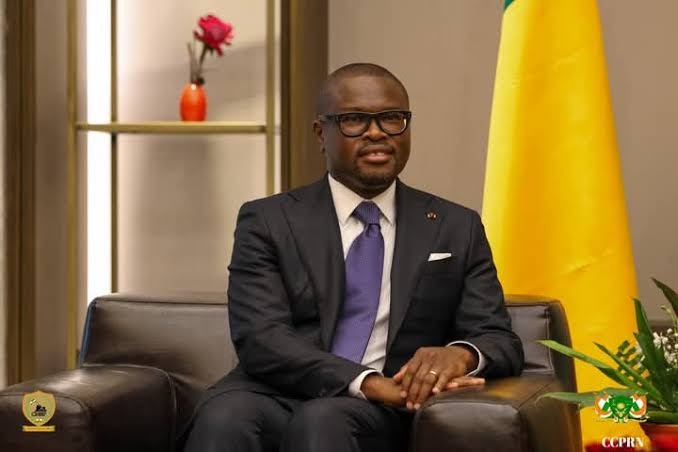
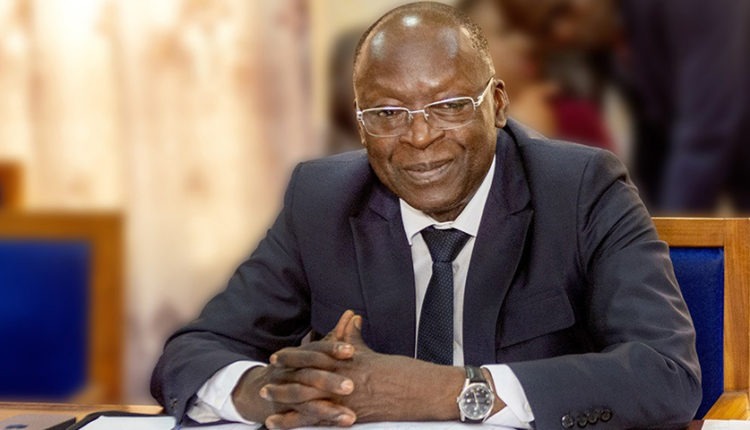
The Gabonese Republic and the European Union convened yesterday at the Palais des Congrès Omar Bongo Ondimba in the Cité de la Démocratie for the second session of their strategic partnership dialogue. Co-chaired by Vice-President of the Government Hermann Immongault and EU Ambassador to Gabon Cécile Abadie, this meeting follows the initial dialogue held in October 2024.
Mr. Immongault emphasised that this dialogue is conducted under the Samoa Agreement, the legal cornerstone of relations between the EU and the African, Caribbean, and Pacific (ACP) states. He described the accord as calling for “a more balanced, more operational partnership, more focused on the tangible impact of public policies and investments.”
Throughout the working day, the two sides addressed four main pillars: political reforms and governance, economic prospects, environmental stewardship and sustainable natural resource management, and multilateral and regional cooperation.
At the close of the session, both partners praised the institutional reforms undertaken during Gabon’s Transition and exchanged views on human rights and fundamental freedoms. “No subject was taboo,” assured Mr. Immongault, adding that the discussions helped “clear up all grey areas.”
Conversations also covered Gabon’s economic outlook, ongoing structural reforms, improvements to the business climate, and measures to attract more investment. The European Union’s Global Gateway strategy was likewise discussed.
Environmental topics held a prominent place in the talks. Both sides reaffirmed their shared perspective on sustainable forest management and explored cooperation possibilities in sustainable fisheries, energy, and waste management.
Finally, Gabon and the EU reiterated their commitment to multilateralism and noted broad alignment on regional and international issues, particularly maritime security and regional integration.
Both parties now aim to deepen their relationship and continue consultations on jointly identified priorities, in a climate described as open and trusting.