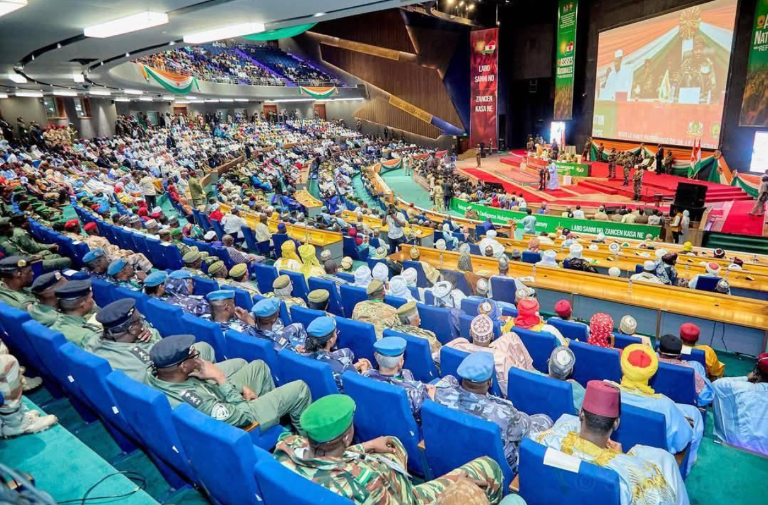
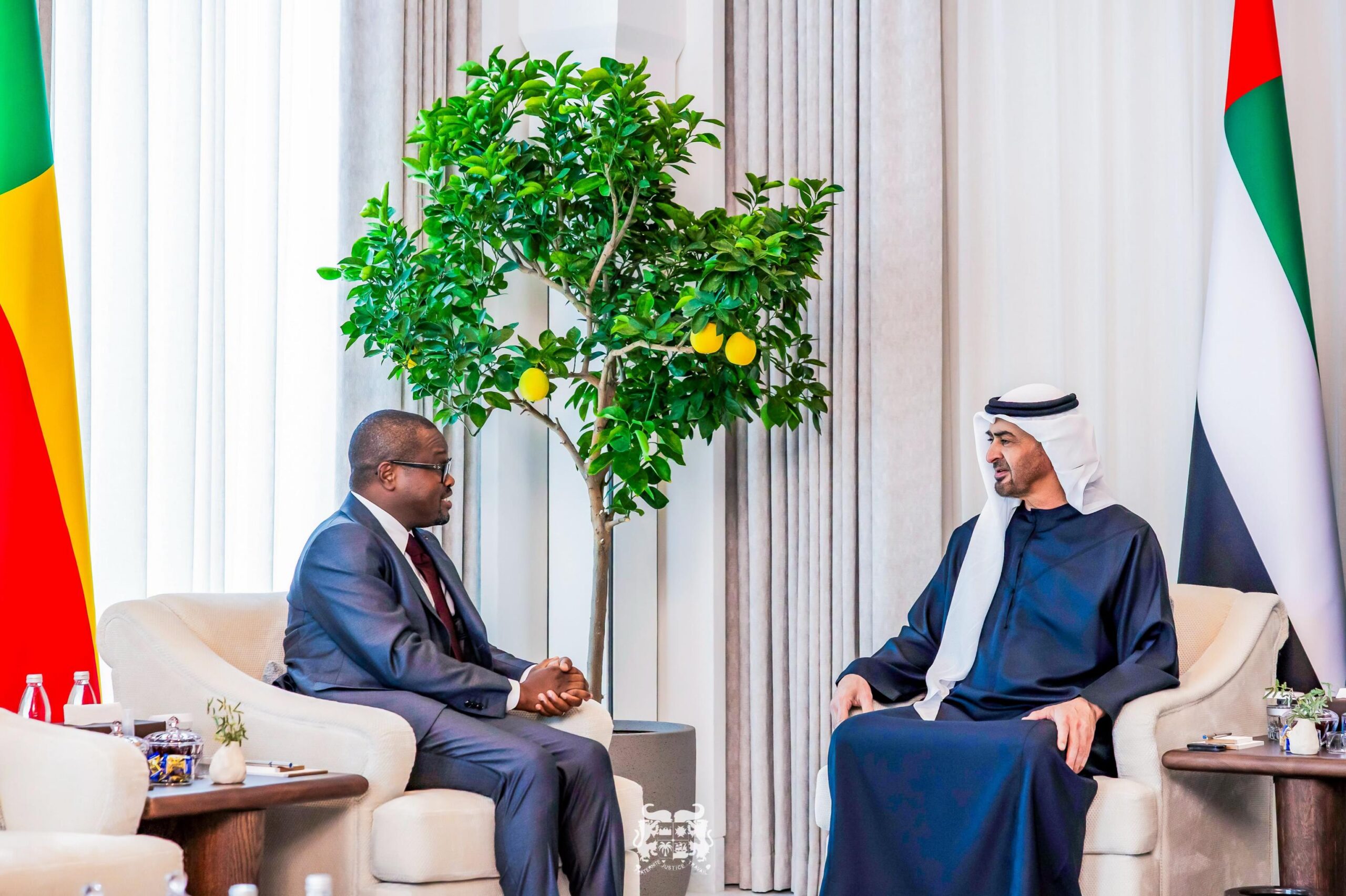
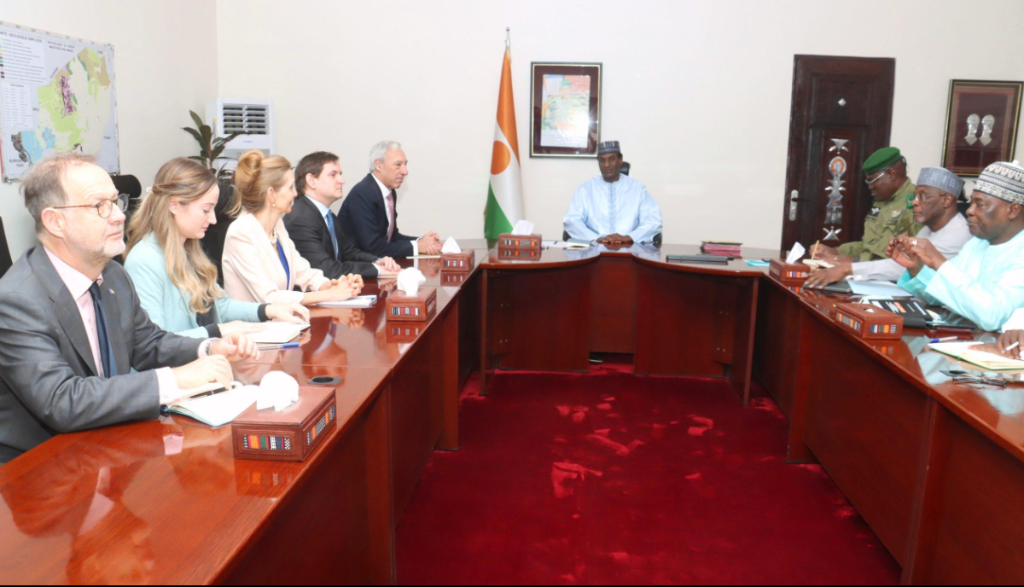
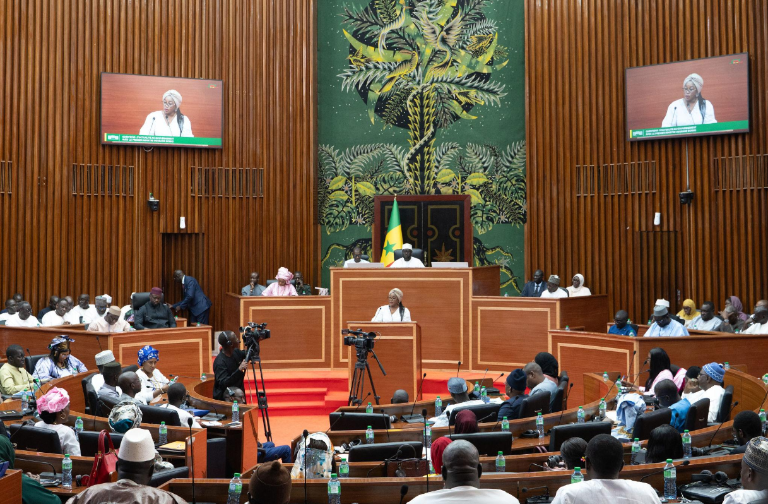
The second session of the political dialogue between Gabon and the European Union convened in Libreville this month, marking a significant step in consolidating bilateral relations under the revised Cotonou Agreement. Held at the Congress Palace within the Cité de la Démocratie, the meeting brought together high-ranking Gabonese officials and accredited EU member state representatives to assess progress on commitments made during the inaugural gathering.
Structured engagement: the framework of Gabon-EU relations
This political dialogue serves as the formal channel for structured exchanges between the EU and its African partners on governance, rule of law, human rights, and economic cooperation. For Gabon, this second session arrives at a pivotal moment as the transitional authorities work to restore international credibility following the regime change of 2023. The attendance of European diplomatic chiefs in Libreville underscores Brussels’ commitment to maintaining an open dialogue while maintaining clear expectations regarding the country’s political trajectory.
Key discussion points included the review of institutional timelines, structural reforms, business climate enhancement, and maritime security cooperation in the Gulf of Guinea. European delegations consistently prioritize transparency in public finance management, anti-corruption measures, and protection of civil liberties. Meanwhile, Gabon’s delegation focused on showcasing transitional progress and securing concrete support for the new administration’s strategic priorities.
Progress review: from constitutional transition to electoral validation
The inaugural session established a shared agenda centered on restoring constitutional order and reviving suspended cooperation programs. Since then, notable milestones have been achieved, including the adoption of a new Constitution through national referendum and the subsequent presidential election that installed Brice Clotaire Oligui Nguema as head of state. This electoral validation significantly alters the EU’s engagement posture, enabling formal interaction with a democratically elected executive.
Evaluations will likely focus on implementation of recommendations from the first round. The European Commission and European External Action Service are closely monitoring institutional reorganization in Gabon, particularly the composition of the new Parliament, judicial reforms, and natural resource governance. As Africa’s leading manganese producer and a key oil player in Central Africa, Gabon maintains substantial commercial ties with multiple European capitals, notably Paris.
Economic cooperation and strategic sovereignty considerations
Beyond political dialogue, the session explored avenues to reinvigorate European funding mechanisms, including instruments from the European Fund for Sustainable Development and thematic programs focused on climate action, biodiversity preservation, and energy transition. Gabon’s extensive forest coverage—covering 88% of its territory—positions it uniquely in European climate diplomacy through initiatives like payment for ecosystem services and carbon finance mechanisms.
The regional context adds complexity to discussions. With rising influence from alternative partners spanning China to Gulf states and Turkey, the EU must refine its diplomatic and economic strategy along Africa’s Atlantic coast. While Libreville seeks to diversify partnerships, the depth of its relationship with Europe—both commercially and in migration governance—remains a cornerstone of its external affairs.
The true impact of this session will unfold in the coming weeks through joint statements, potential financial commitments, and the resumption of concrete cooperation projects. The dialogue’s structured format, built on regularity and confidential exchanges, prioritizes substantive progress over grand announcements. The gathering aims to systematically evaluate advancements since the previous session, reinforcing the foundation for sustained collaboration.