The Belgian government has officially declared the permanent closure of its embassy in Bamako, marking a significant turning point in decades of bilateral relations. The decision, confirmed in an announcement on June 5, will take effect on June 30, reflecting a sharp decline in cooperation between the two nations.
An end to decades of partnership
For many in Mali’s diplomatic circles, the news came as a sudden and decisive break. The Belgian Foreign Ministry’s statement confirmed what had long been anticipated: the withdrawal of all diplomatic staff from Malian soil. By June 30, the embassy’s doors will close for good, ending years of cultural, humanitarian, and economic collaboration.
For Bamako, this departure carries substantial implications. Belgium was once a key European ally, funding critical development projects in northern and central Mali. Its exit follows a broader trend of Western disengagement, leaving Mali increasingly reliant on alternative partnerships, particularly with Russia.
Security breakdown fuels diplomatic retreat
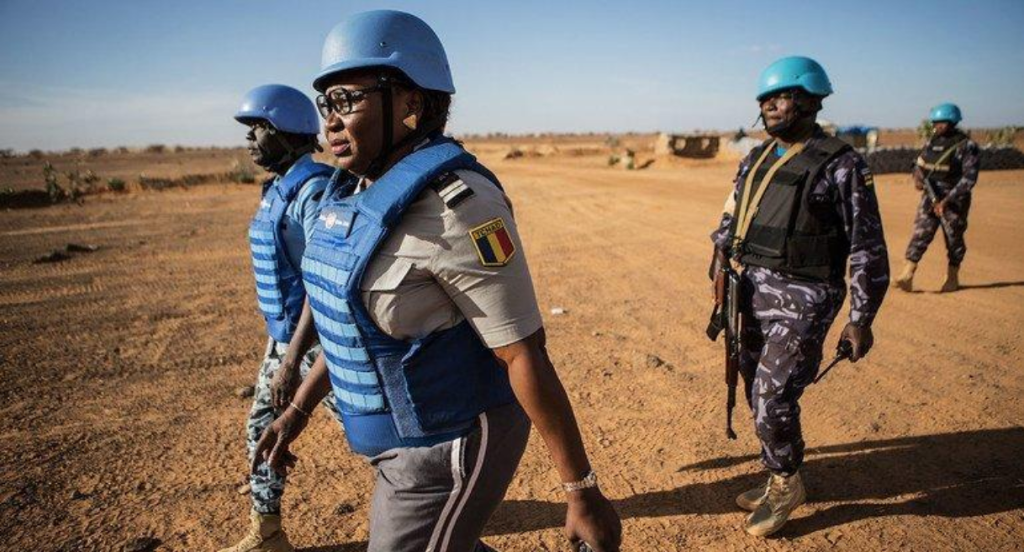
The driving force behind Brussels’ decision is the worsening security crisis. Since the withdrawal of French forces from Operation Barkhane and the exit of the UN’s MINUSMA mission, terrorist groups have expanded their reach, targeting major roads and urban centers.
The Belgian government concluded that ensuring the safety of its citizens and diplomatic personnel beyond June 30 was no longer feasible. With no reliable security framework and chronic instability, maintaining a full-fledged embassy was deemed an unacceptable risk.
Rise of suspicion: the “secret agents” narrative
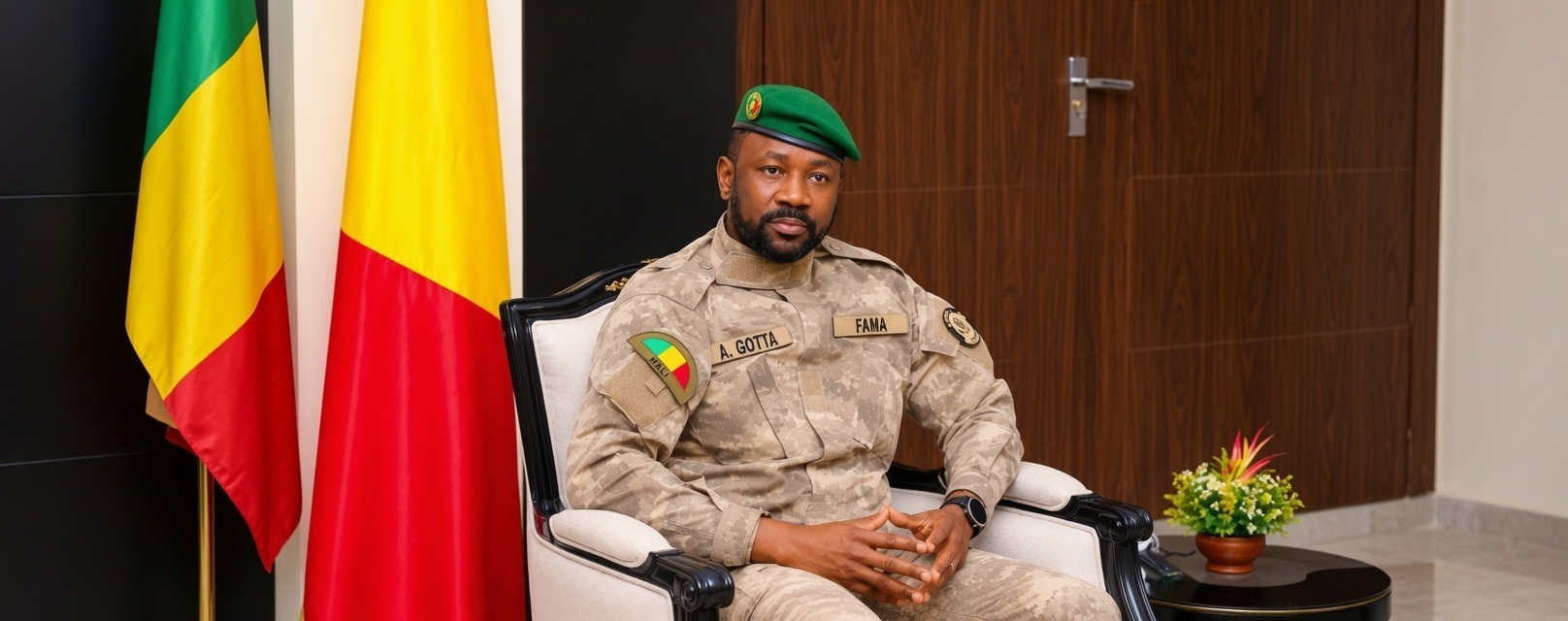
Beyond the security vacuum, another critical factor accelerated the rupture: a growing climate of distrust in Bamako. Over recent months, the Malian transitional authorities have intensified scrutiny of Western expatriates, including aid workers, researchers, and technical experts.
The government’s rhetoric increasingly portrays foreign experts as potential destabilizers or intelligence operatives. Several Europeans have faced prolonged detentions without clear charges or adherence to standard consular procedures. This environment of hostility has made fieldwork virtually impossible, prompting Belgium to prioritize the safety of its personnel.
Humanitarian fallout for Mali’s most vulnerable
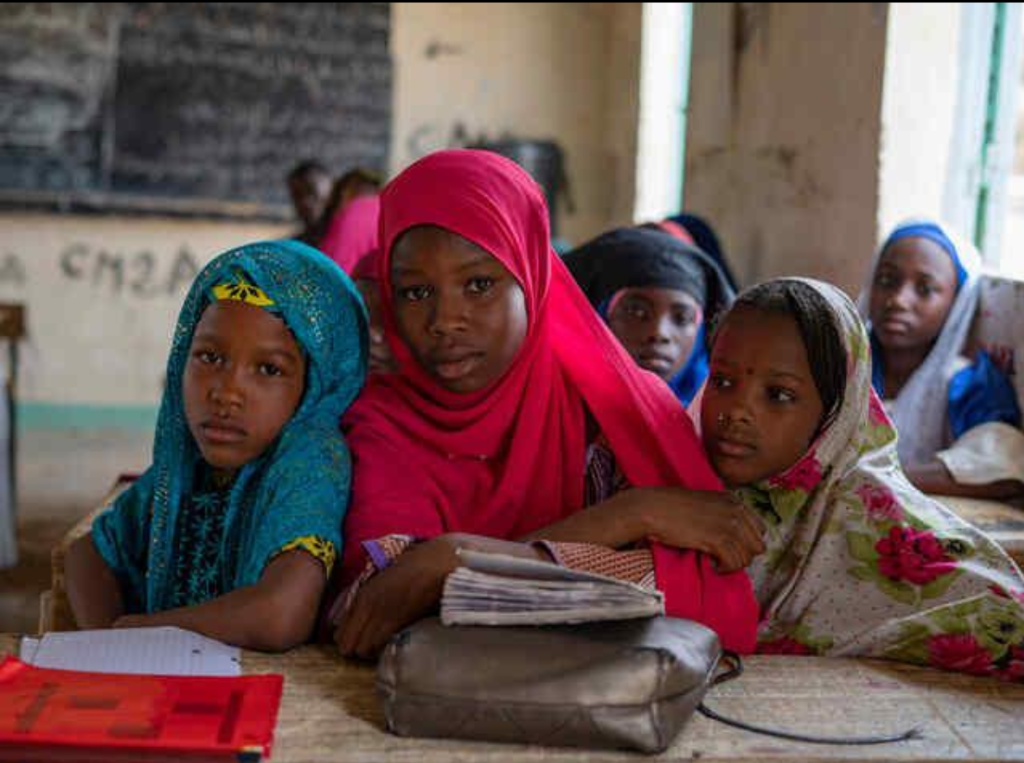
Locally, the closure will have immediate consequences starting in July. The Belgian embassy oversees numerous aid programs, including clean water access, maternal health, and primary education. The suspension or transfer of these initiatives to neighboring countries will leave a significant gap in support for at-risk communities.
Additionally, Malian citizens seeking visas for study, medical treatment, or business in the Schengen Zone will face added hurdles. With fewer European embassies operational in the region, applicants will need to travel to distant consulates or navigate already overburdened alternatives.
Mali’s growing diplomatic isolation
The June 5 announcement and June 30 implementation of the embassy closure are not isolated incidents but part of a broader rift between Bamako and the European Union. By severing ties with long-standing partners and escalating arrests under vague espionage allegations, the Malian government is deepening its confrontational stance.
While this hardline approach resonates with some nationalist factions, it weakens Mali’s global standing. Cutting ties with Brussels eliminates a key moderating voice within Europe, further isolating the country at a time when economic and security challenges demand collaborative solutions.