The International Monetary Fund has delivered a harsh economic verdict on the Nigerien government’s strategy: border closures have drained state coffers of over 117 billion West African CFA francs. This staggering shortfall exposes the fragility of a regional leadership that prioritizes political confrontation over economic stability.
A financial haemorrhage threatening public services
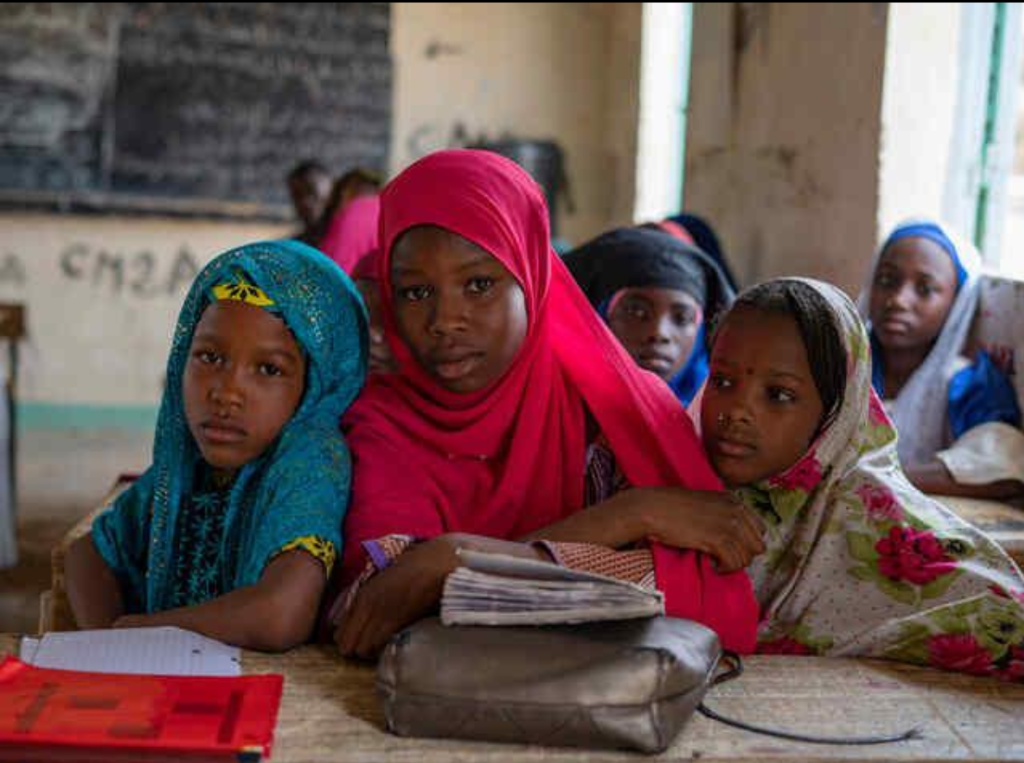
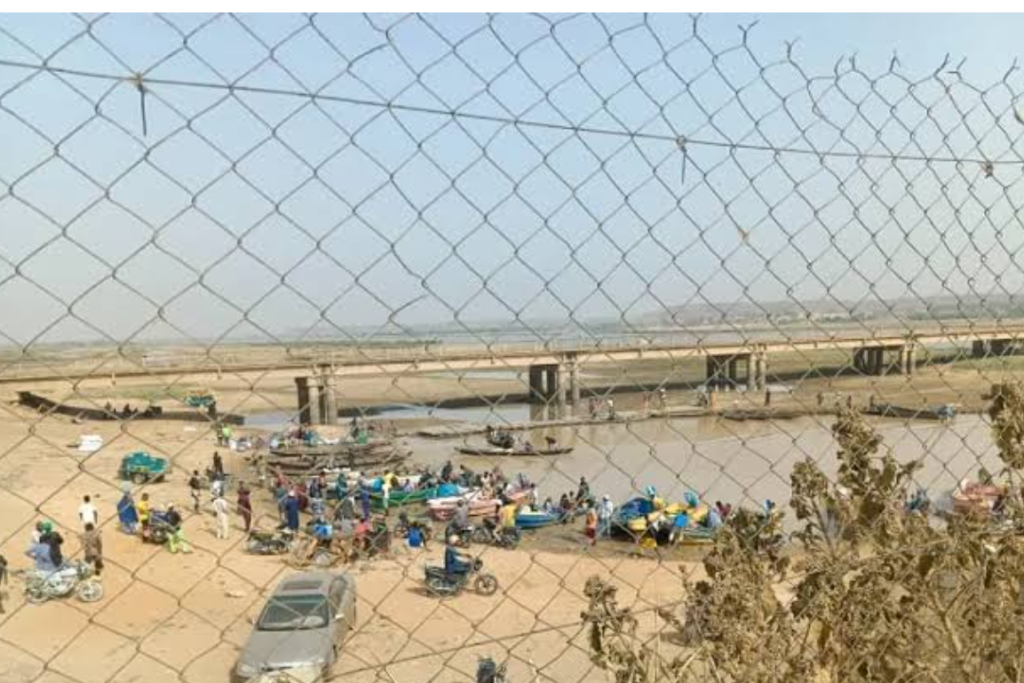
According to fresh IMF assessments, the deliberate shutdown of cross-border trade has created a budgetary black hole of unprecedented magnitude. Customs and fiscal revenues—long the lifeblood of Sahelian economies—have plummeted, leaving governments scrambling to fund essential services. Critical sectors like education, healthcare, and infrastructure development now face brutal budget cuts as military-led regimes double down on their isolationist policies. The irony? These very leaders claim to champion national sovereignty while dismantling the economic foundations that sustain it.
From market stalls to family budgets: the human cost of economic mismanagement
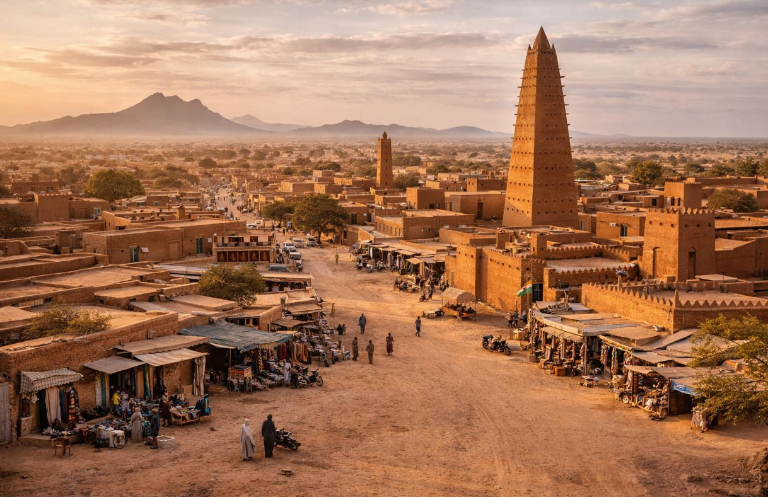
The FMI’s dry statistics conceal a far grimmer reality: families across the Sahel are bearing the brunt of these policy choices. Markets that once buzzed with affordable staples now groan under the weight of scarcity-induced price surges. Rice, cooking oil, sugar, and even construction materials have seen their costs skyrocket, thanks to interrupted supply chains and rerouted transport. Small traders and informal economy workers—already on the margins—are collapsing under the strain, their livelihoods choked by inflation and logistical chaos. The most vulnerable communities, those least equipped to absorb such shocks, are being pushed to the edge of survival. By severing regional trade networks, governments have sabotaged the very economic lifelines that sustain millions.
The security narrative: a smokescreen for economic failure
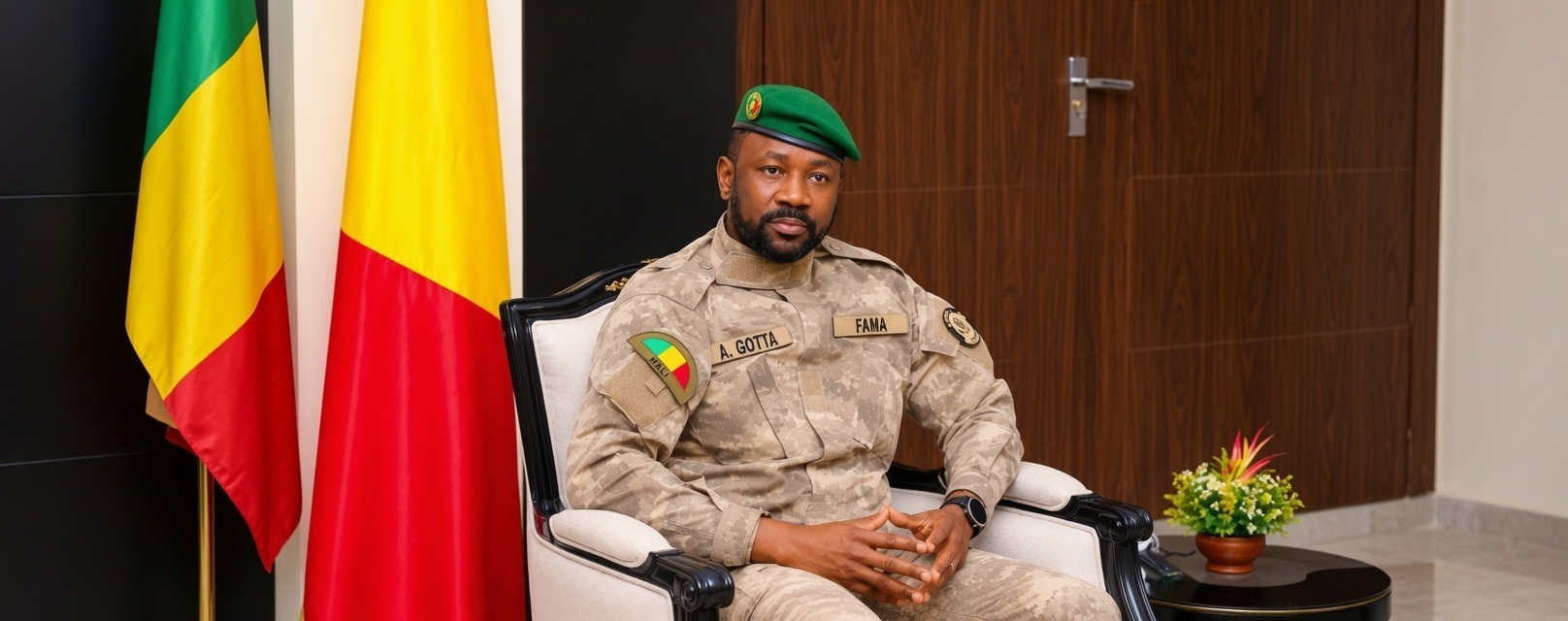
Faced with mounting evidence of their policies’ failures, the military juntas of the Sahel States Alliance (AES) have clung to a familiar script. Every crisis—from fuel shortages to food inflation—is reflexively blamed on external threats or logistical bottlenecks, with officials portraying border closures as acts of patriotic defense. Yet this security-first rhetoric grows increasingly hollow as the human and financial costs mount. The truth is far simpler: these measures have done nothing to strengthen regional stability or boost economic resilience. Instead, they’ve fostered an environment of mistrust, stifled private investment, and forced governments to rely on temporary financial fixes that only deepen their dependency. The promise of prosperity through isolation has evaporated, leaving behind a landscape of economic anxiety and stagnation.
The path forward: pragmatism over political posturing
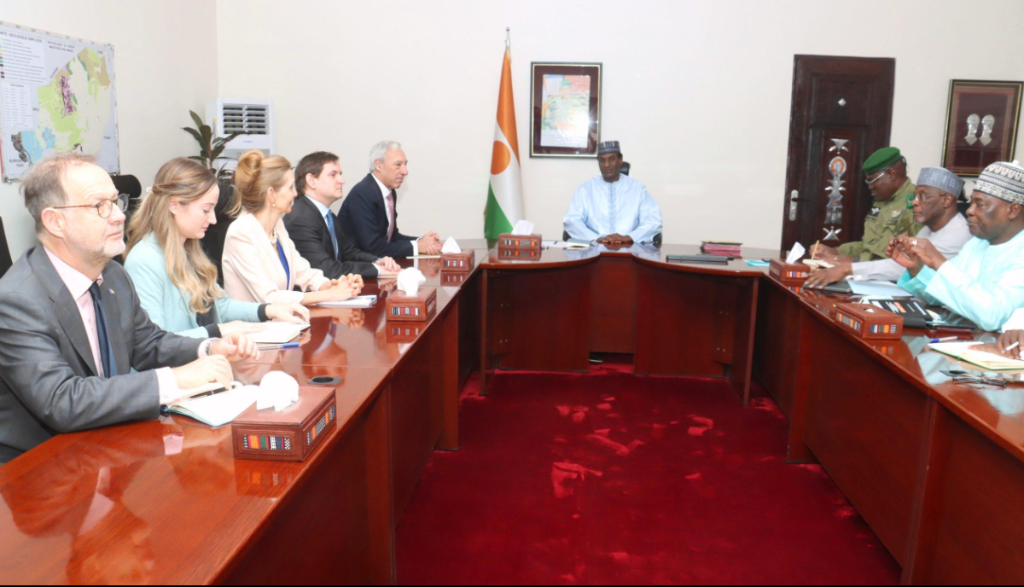
A staggering loss of 117 billion CFA francs cannot be papered over with slogans or scapegoating. Sahelian economies thrive on the free flow of goods and people—a fact these regimes seem determined to ignore. The path to recovery demands urgent action: restoring transit routes, engaging in genuine dialogue with regional economic blocs, and dismantling artificial barriers to trade. Without these measures, the social fabric of the Sahel risks unraveling entirely. The people of the region deserve better than to be collateral damage in their leaders’ political games. Economic survival now hinges on abandoning ideology in favor of proven solutions.