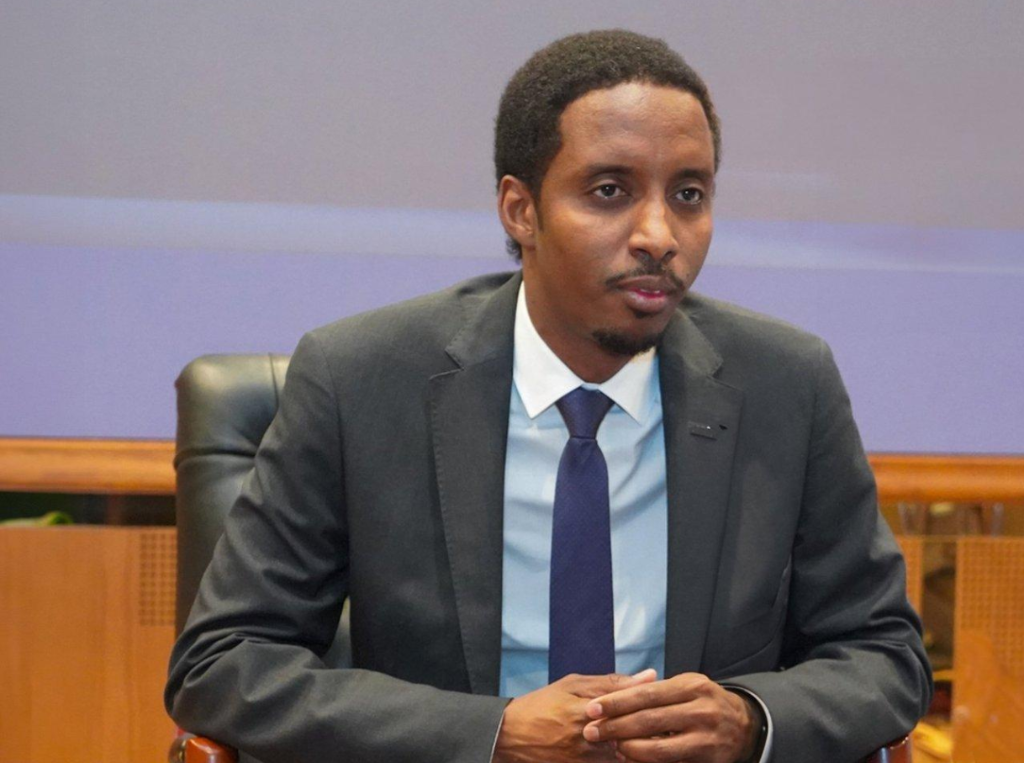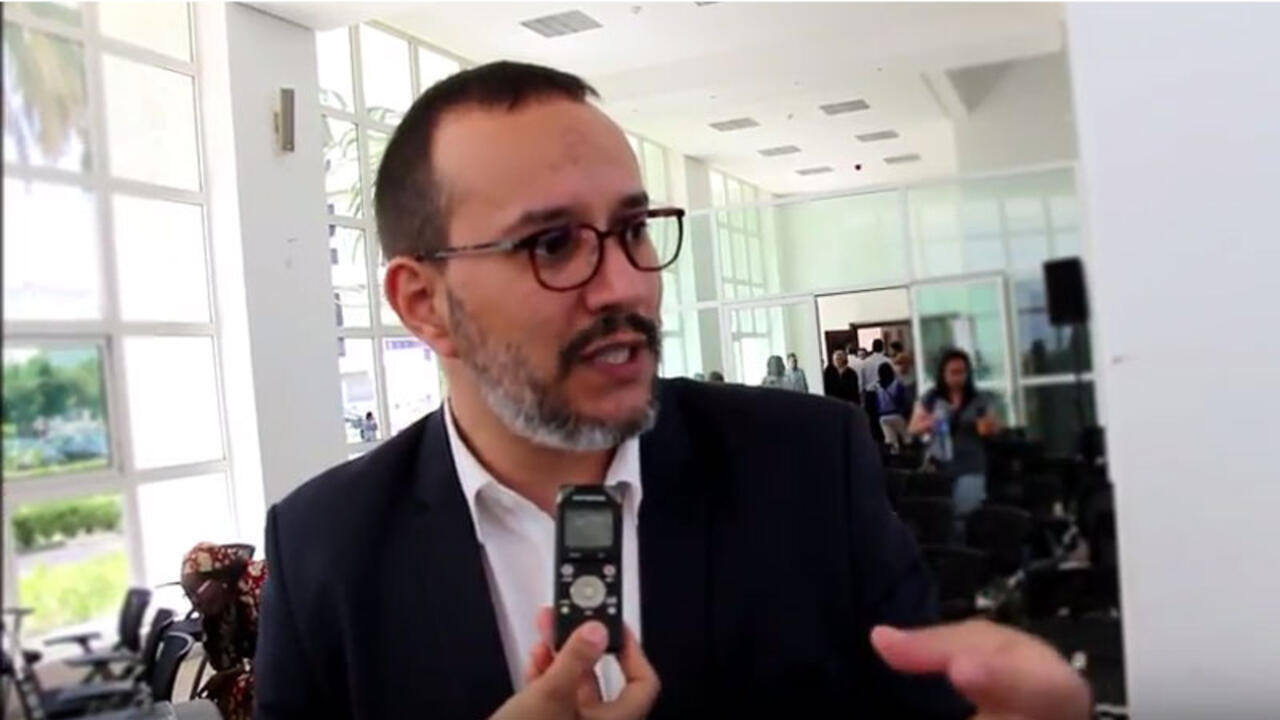
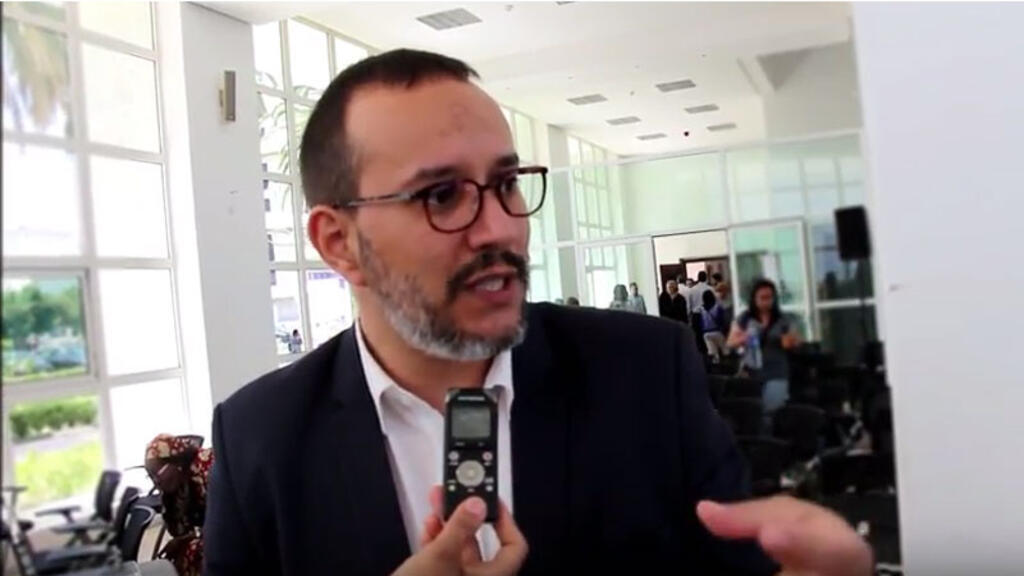
French Prime Minister Sébastien Lecornu arrived in Rabat on Wednesday, July 15, leading a high-level delegation of twelve ministers. The visit follows a week of rising tensions over human rights concerns, as Moroccan authorities recently prosecuted a journalist and an artist. Mehdi Alioua, a sociologist at the International University of Rabat and chair of Migration, Mobility, and Cosmopolitanism, shared his insights into the evolving relationship between Paris and Rabat—particularly its impact on Africa—during an exclusive interview.
a subtle competition between Paris and Rabat in the Sahel
In an exclusive interview, Mehdi Alioua, a leading sociologist, sheds light on the growing influence of Morocco in sub-Saharan Africa, where France is recalibrating its presence.
The question arises: Has Morocco, with its bold investments and strategic diplomacy, become the unexpected rival France never anticipated in regions it once dominated? The answer, according to Alioua, is nuanced. While many Moroccan investments are joint ventures with French firms or coordinated with French diplomacy, Rabat has also pursued independent initiatives—particularly under the leadership of the Moroccan King, who has championed a distinctly African policy.
This dynamic is especially evident in the Sahel, where France’s relations with the Alliance of Sahel States (AES) have grown increasingly strained. Could Morocco play a role in easing these tensions?
Alioua believes Morocco is actively trying to mediate, though the challenges are significant. The deterioration in Franco-Sahelian relations, he argues, is not a reflection of public sentiment but rather a consequence of populist rhetoric from new political regimes in the Sahel that have stoked anti-French sentiment.
Morocco, however, operates differently. Its ties with Sahelian nations are deeply rooted in history, predating Islam and spanning centuries. These connections were further solidified by dynasties such as the Almoravids—whose name inspired the French term marabout—who ruled an empire stretching from Spain to present-day Guinea and Mali. The enduring nature of these relationships gives Morocco a unique diplomatic advantage in the region.
human rights concerns and the moroccan model
Recent arrests of high-profile critics—including Franco-Moroccan journalist Ali Lmrabet and rapper Mehdi Black Wind—have raised questions about Morocco’s commitment to free speech. Should these developments be a cause for concern?
Alioua acknowledges the unease surrounding such cases. While he emphasizes that legal proceedings are, in principle, independent, the detention of journalists and artists remains troubling. The journalist in question has been released but remains under investigation, while the rapper’s case is still unfolding. Human rights organizations in Morocco have mobilized to defend them, and the judiciary is expected to present its charges.
Morocco has made substantial progress in advancing human rights over the years, but as Alioua notes, “old reflexes” occasionally resurface. The justice system is evolving, yet these incidents serve as a reminder of how far the country still has to go.
can Morocco match France’s appeal in africa?
The Moroccan monarchy has increasingly positioned itself as an alternative to France in Africa, but does it truly resonate with sub-Saharan publics?
Not yet, according to Alioua. While Morocco is gaining traction, its appeal is not yet on par with France’s. The country’s investment in the Africa Cup of Nations (CAN) football tournament, for example, has sparked debate. Critics question why such resources are allocated to stadiums when poverty remains rampant, and the tournament’s final, which saw Morocco and Senegal clash, further polarized African opinion against Rabat.
Morocco’s strategy of promoting itself as a European-level host has also backfired. Claims of having “European-quality pitches” without humility have alienated potential allies. The country’s economic status—classified as a lower-middle-income nation—limits its ability to compete with France’s cultural and economic influence. Only when Morocco achieves greater wealth and development will it truly rival France’s allure in Africa.