The dramatic shift in allegiances by former Chadian military commander Dido Ali has sent shockwaves through the political and security landscape of the Sahel region. Once respected as the Chief of Staff of the People’s Movement for Change (MPC), Ali now stands accused of orchestrating destabilization efforts aimed at toppling the current Chadian government.
Following his abrupt departure from the military, Dido Ali has allegedly regrouped with armed factions operating beyond legal boundaries. Intelligence sources within the region suggest these groups are engaging in coordinated activities that threaten national stability in Chad. His transformation from a high-ranking officer to a figurehead among notorious outlaws marks a critical turning point in Chad’s ongoing power struggles.
From military discipline to armed rebellion
Dido Ali’s career once symbolized professionalism and loyalty to Chad’s armed forces. As the MPC’s Chief of Staff, he was instrumental in shaping the country’s defense strategies. However, recent developments indicate a radical departure from his former role. Witnesses report that Ali has aligned himself with criminal syndicates, leveraging his military expertise to strengthen their operational capabilities.
The implications of this shift are profound. Military analysts warn that such alliances could escalate into full-scale insurgency, further destabilizing a region already grappling with security challenges. Chad’s government has yet to issue an official response, but regional observers are closely monitoring the situation for signs of escalation.
Regional security implications
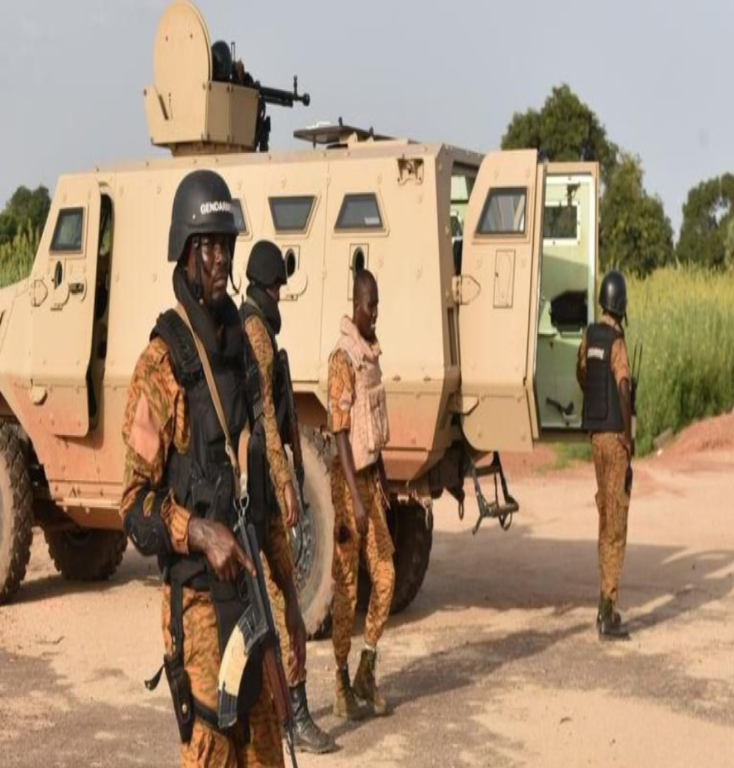
The Sahel region remains a hotspot for political instability, with Chad positioned at a critical nexus. The emergence of a former military leader as a rebel figurehead raises urgent questions about the effectiveness of regional security frameworks. Authorities in neighboring countries are assessing potential spillover effects, particularly in terms of cross-border militant activities.
Security experts emphasize the need for robust countermeasures to prevent the situation from spiraling out of control. The alleged collaboration between Dido Ali and armed groups underscores the fragility of Chad’s political and military institutions, as well as the broader challenges facing the Sahel in combating extremism and organized crime.
What’s next for Chad?
As Chad navigates this period of uncertainty, the international community is watching closely. The potential for increased violence and political turmoil could have far-reaching consequences for regional stability. The government’s response will be pivotal in determining whether the situation can be contained or whether it will escalate into a full-blown crisis.
For now, the focus remains on monitoring Dido Ali’s movements and the activities of his newly formed alliances. The coming weeks will be decisive in shaping Chad’s future trajectory and its role within the Sahel’s complex security landscape.