The international football community has received a fresh reminder of the high stakes involved in officiating major tournaments, following a recent decision by FIFA to sideline a referee involved in a contentious African Cup of Nations final.
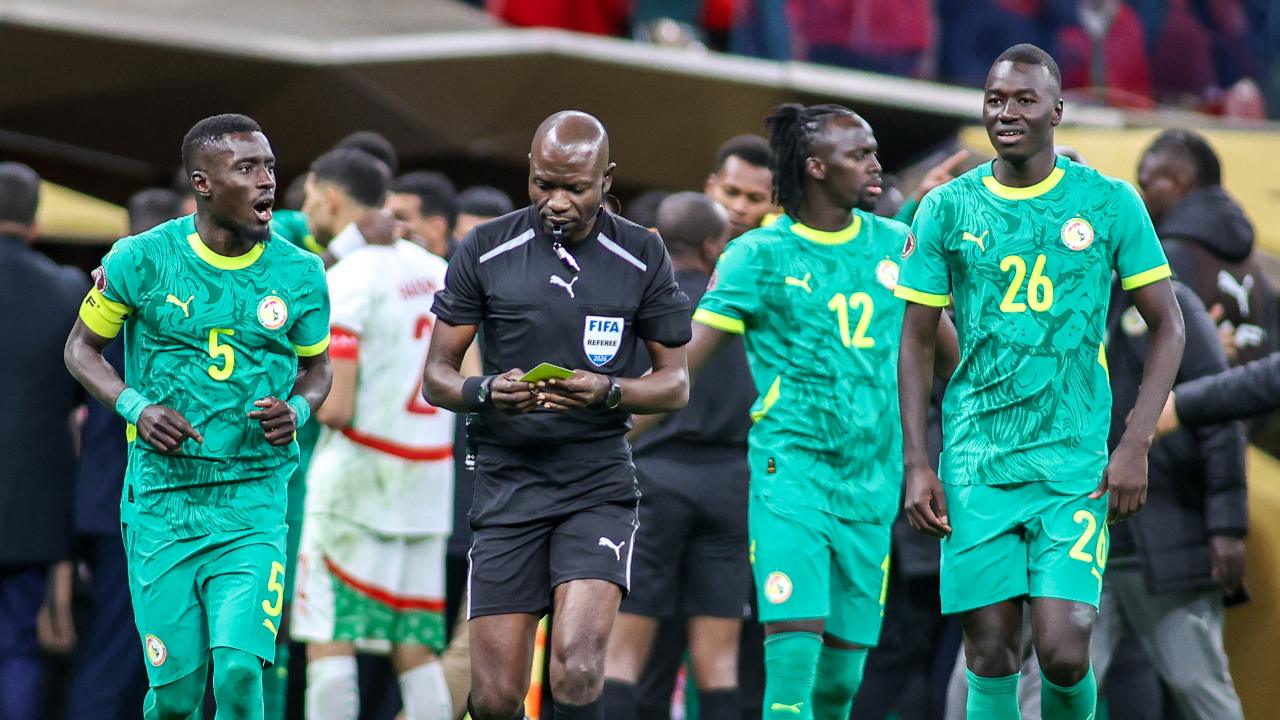
Less than a month after the African Football Confederation (CAF) made headlines by stripping Senegal of its Afcon title due to incidents during the January 19 final against Morocco, FIFA has imposed its own disciplinary action. This time, the focus is on the match official, Jean-Jacques Ndala, who has been excluded from the upcoming FIFA World Cup.
Despite retaining the confidence of CAF—evidenced by his assignments in the African Champions League and CAF Confederation Cup—Ndala’s omission from FIFA’s World Cup referee list signals a significant break from tradition. The decision underscores the global body’s commitment to maintaining officiating standards, even when regional bodies have taken a different stance.
Who made the FIFA World Cup referee list?
FIFA’s World Cup referee roster for this year includes seven African officials, all of whom participated in the most recent Afcon tournament. Among them are Jalal Jayed from Morocco, Mustapha Ghorbal from Algeria, Pierre Atcho from Gabon, Dahane Beida from Mauritania, Tom Abongile from South Africa, Amin Mohamed from Egypt, and Omar Artan from Somalia.
Controversial decisions overshadowed the final
The exclusion of Ndala follows intense scrutiny of his performance in the Afcon final. His handling of key moments drew widespread criticism, with many questioning the fairness and consistency of his decisions. Observers highlighted instances where his inaction during critical phases of the match appeared to influence the outcome.
According to Olivier Safari, Chair of the CAF Referees Committee, instructions were issued to Ndala during a match interruption. These directives reportedly instructed him not to issue yellow cards to Senegalese players returning from the locker room, despite prior cautions that would have led to their dismissal. The stated aim was to “preserve the integrity of the match” upon their return to the field.