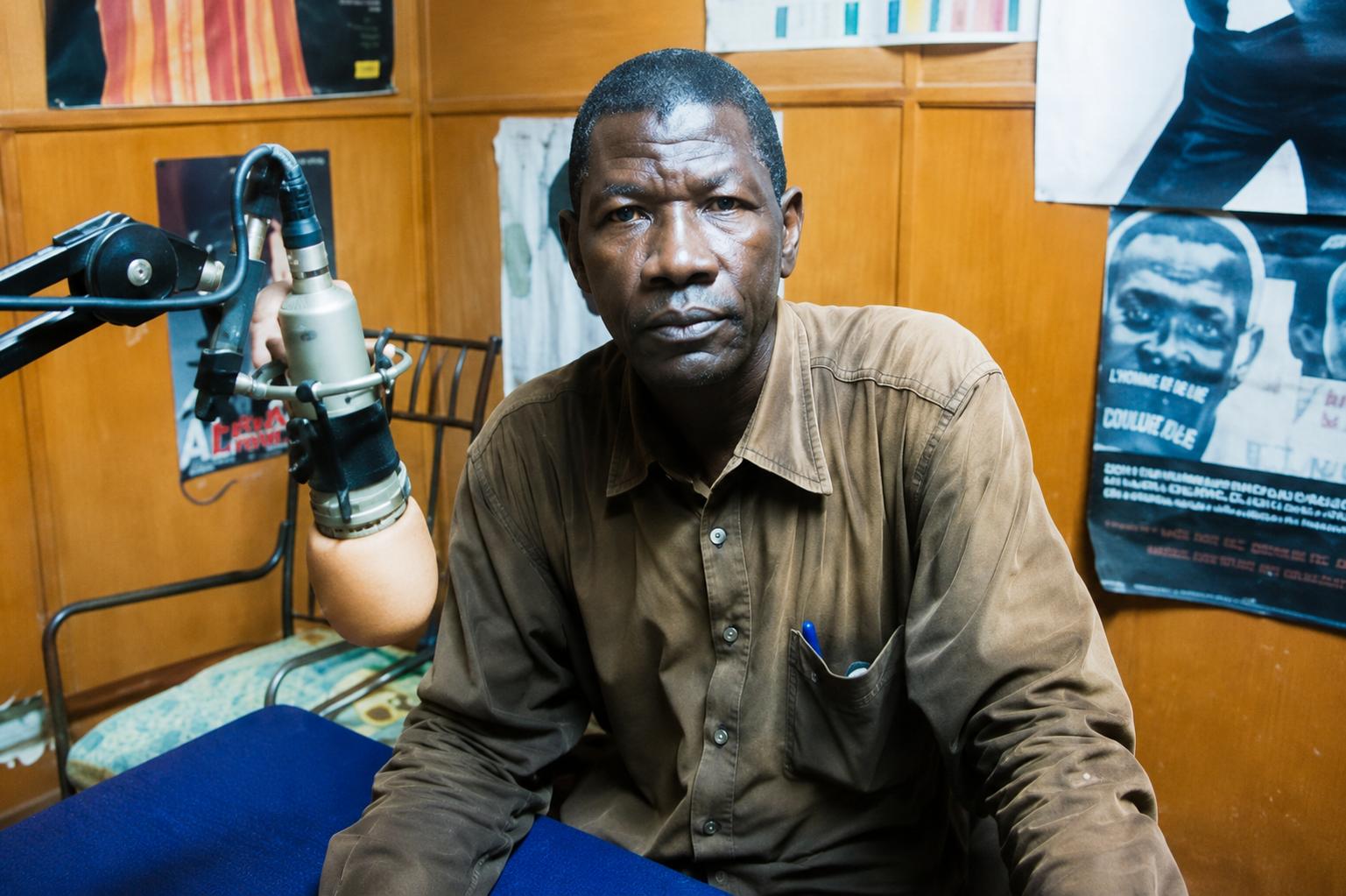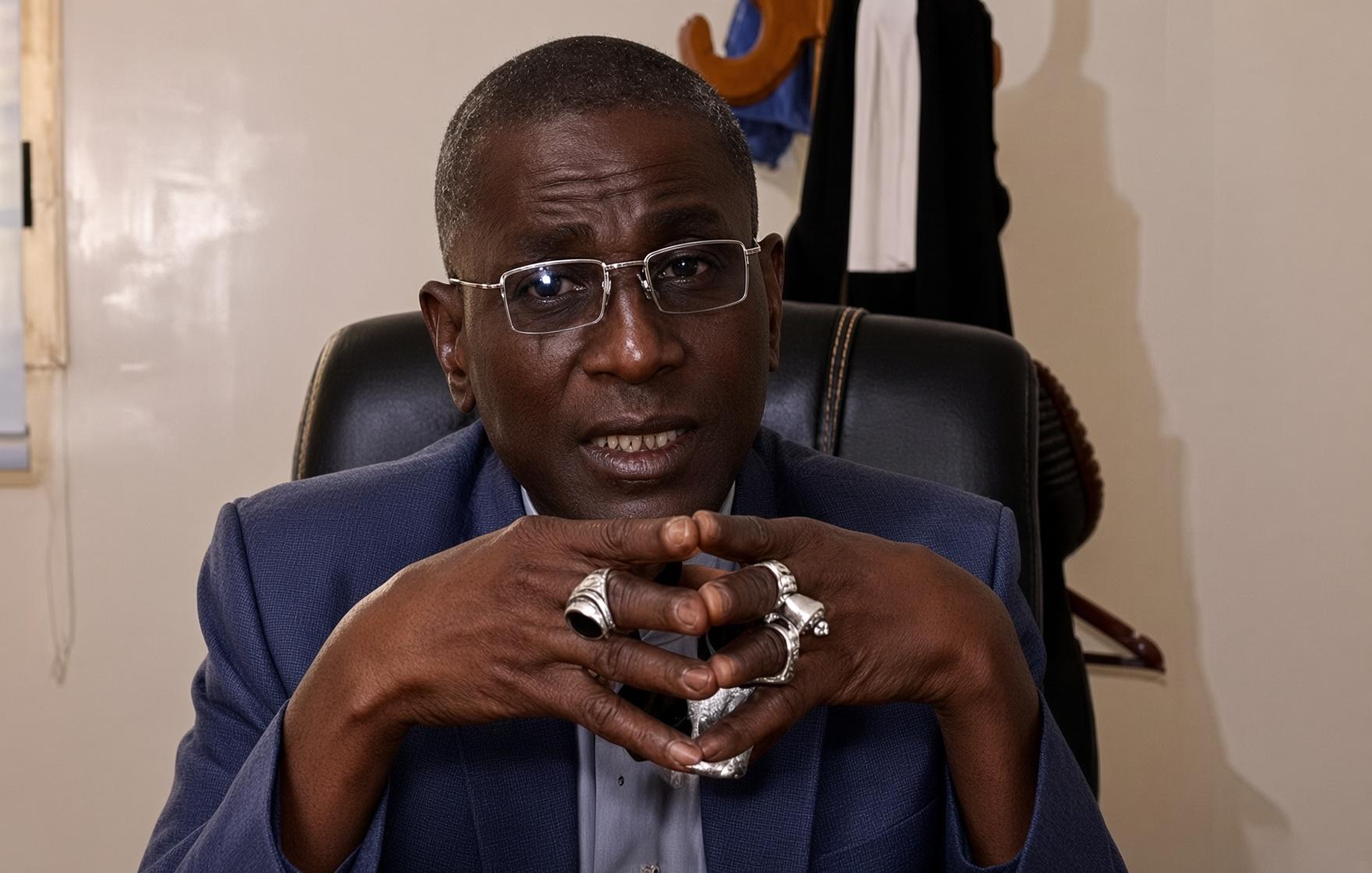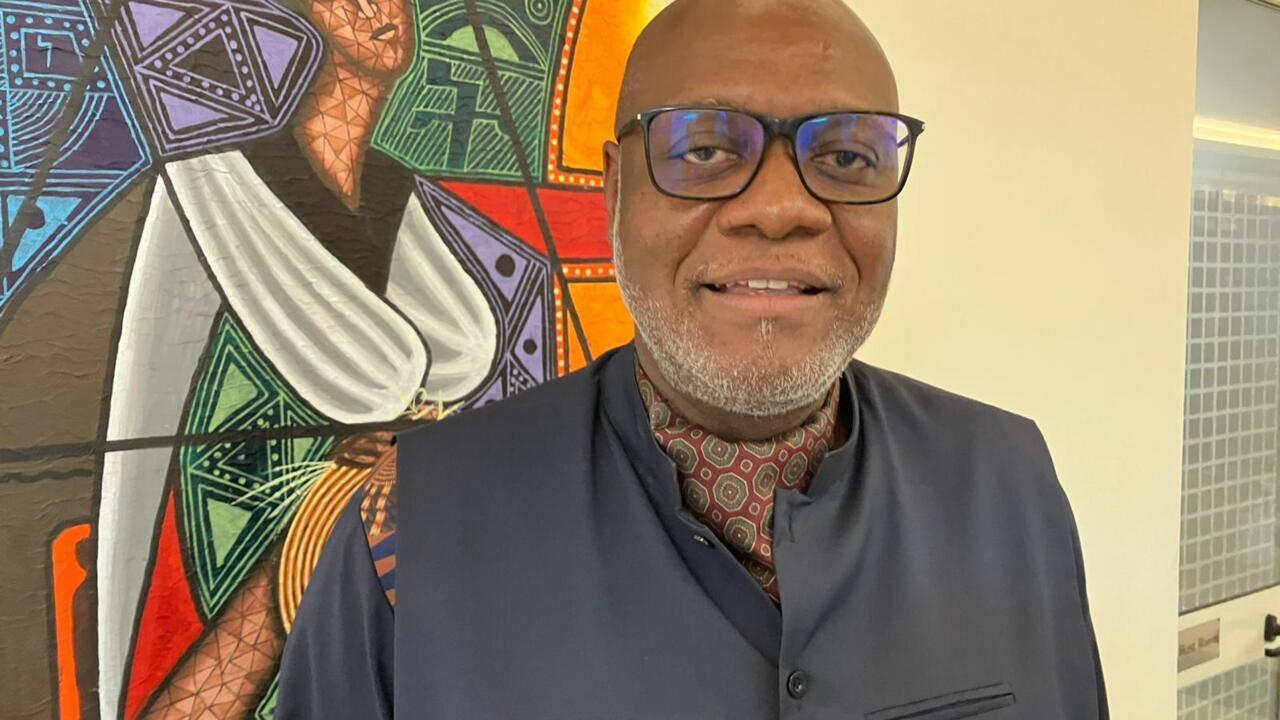

The 39th African Union summit concluded with a bold declaration: to silence the guns and end unconstitutional power transfers. But is this pledge credible in practice? Cameroonian researcher Paul-Simon Handy, Regional Director for the Institute for Security Studies (ISS) in East Africa, attended the summit in Addis Ababa and shared his insights on Africa Midi.
Unconstitutional power shifts and democratic backsliding
During the 39th African Union summit, leaders pledged to end unconstitutional changes of government and prioritize peace. However, the recent rise of coup leaders being elected through questionable democratic processes raises critical questions about the continent’s commitment to stability.
Paul-Simon Handy’s critical stance
Paul-Simon Handy, a prominent security analyst and Regional Director for the Institute for Security Studies (ISS) in East Africa, was present at the summit. He expressed serious concerns about the normalization of elections involving coup architects, emphasizing that such developments undermine democratic principles.
“It is unacceptable for individuals who have orchestrated coups to later be elected through democratic means,” Handy stated. His remarks underscore the tension between political transitions and the erosion of democratic norms across the continent.
Regional implications of power grab elections
The trend of coup leaders transitioning to elected positions is not isolated. Across West and Central Africa, similar scenarios have emerged, raising alarms about the fragility of democratic institutions. Handy highlighted that this pattern weakens governance, fuels instability, and hampers regional cooperation efforts aimed at addressing shared challenges like terrorism and economic decline.
Can the AU enforce its zero-tolerance pledge?
While the African Union has declared a firm stance against unconstitutional power changes, enforcement remains a challenge. Handy suggested that stronger mechanisms are needed to ensure compliance, including sanctions and diplomatic pressure on member states that facilitate such transitions. Without robust action, the AU’s declarations risk becoming hollow promises.
Pathways to sustainable governance
To reverse this trend, Handy proposed a multi-faceted approach: strengthening electoral integrity, promoting inclusive governance, and fostering dialogue between civil society and military actors. He also stressed the importance of regional solidarity in condemning and isolating regimes that emerge through unconstitutional means.
As the continent grapples with these challenges, the debate over democracy and stability in Africa continues to intensify. The AU’s next steps will be closely watched to determine whether its pledges translate into tangible change.