
Experts decry democratic elections for coup leaders in africa
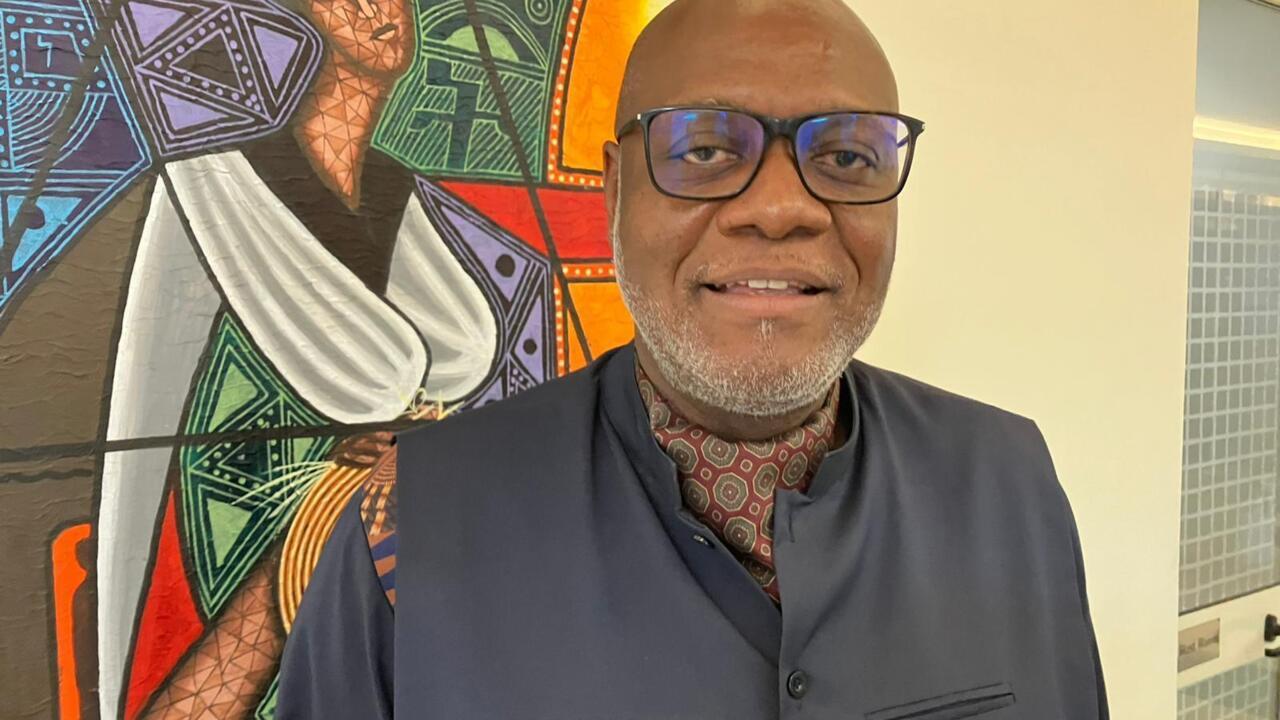
The 39th African Union summit concluded with a bold declaration: to silence the guns and end unconstitutional power transfers. But is this pledge realistic? Cameroonian researcher Paul-Simon Handy, East Africa Regional Director for the Institute for Security Studies (ISS), attended the Addis Ababa gathering as a guest on Afrique Midi.
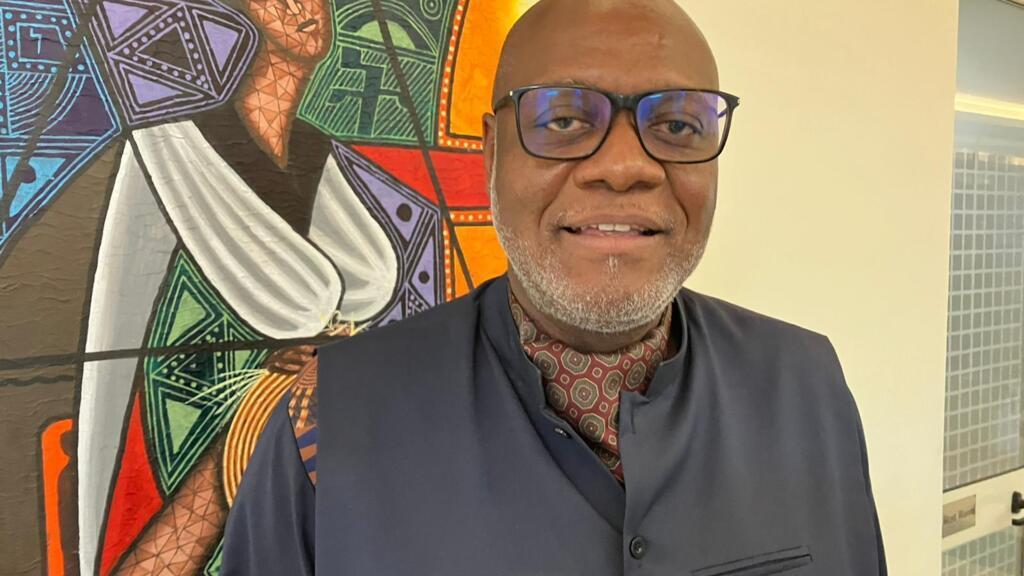
During the high-profile summit in Addis Ababa, African leaders renewed their commitment to eradicating unconstitutional regime changes across the continent. The declaration, titled “silencing the guns“, represents a critical step toward restoring democratic governance in nations plagued by political instability. Yet the question remains: can such ambitious goals translate into tangible action?
Paul-Simon Handy, a leading voice on African security issues and Regional Director for East Africa at the Institute for Security Studies (ISS), shares his candid assessment of the summit’s outcomes. Having witnessed the proceedings firsthand, Handy highlights the urgency of addressing the paradox where leaders who orchestrate coups are later legitimized through elections.
“It is simply unacceptable for individuals responsible for destabilizing constitutional order to be rewarded with electoral victories,” Handy argues. “Such actions undermine the very foundations of democracy and send a dangerous message to future generations of coup plotters.”
Why elections for coup leaders defy democratic principles
The phenomenon of coup leaders assuming power through elections has become a growing concern in West Africa and beyond. Handy points out that these electoral processes often lack transparency, fairness, and genuine public participation, rendering them symbolic rather than substantive.
“Elections must reflect the will of the people, not the ambitions of those who violently seize control,” Handy emphasizes. “When coup leaders manipulate the electoral system to legitimize their rule, they distort the democratic process and set a troubling precedent.”
Challenges to enforcing the AU’s zero-tolerance stance
While the African Union’s declaration marks a bold stance against unconstitutional power transfers, enforcement remains a significant hurdle. Handy underscores the need for stronger regional mechanisms to hold leaders accountable and deter future coups.
“The AU’s commitment to silencing the guns will only be credible if backed by decisive action,” he notes. “This includes imposing sanctions on coup leaders, suspending their governments from regional bodies, and supporting democratic transitions.”
The summit’s declaration may signal progress, but the true test lies in its implementation. As Africa grapples with recurring political crises, the continent’s ability to uphold democratic norms will define its future stability and prosperity.