DRC governance: Tshilumbayi highlights 7-year progress under Tshisekedi
- Politics
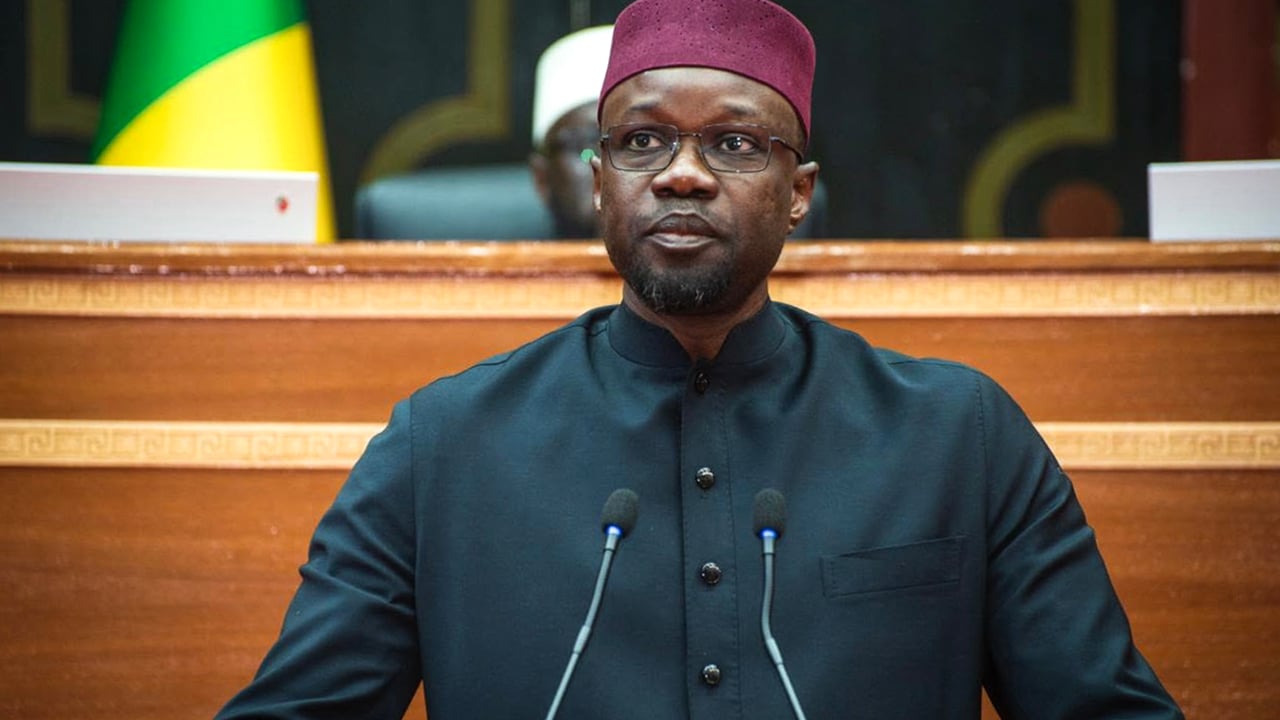
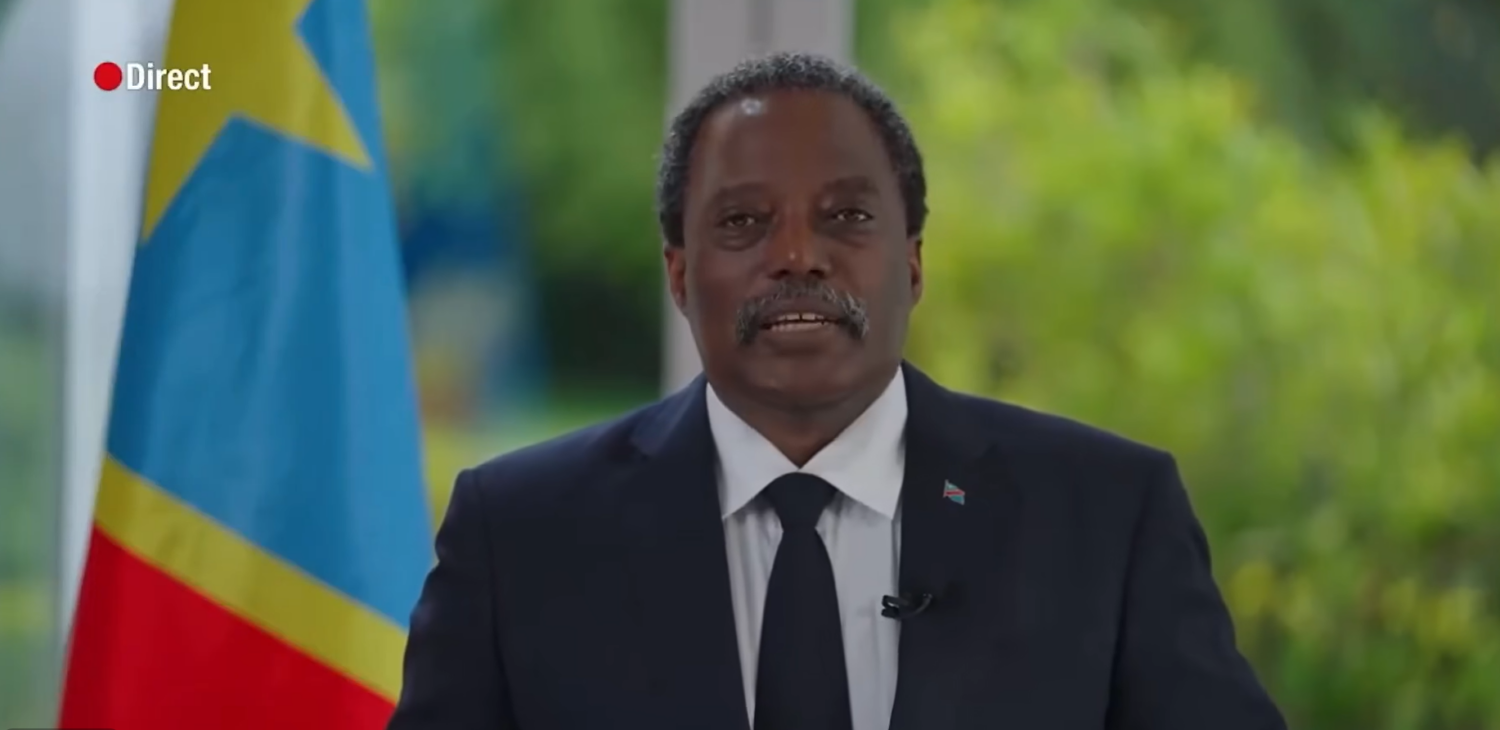
The first vice president of the National Assembly, Jean-Claude Tshilumbayi, took to the airwaves this Friday evening to refute criticisms of the current administration’s performance, presenting a detailed account of achievements under President Félix Tshisekedi’s seven-year term.
Social progress: education and healthcare take center stage
Tshilumbayi highlighted significant strides in social development, particularly in education and healthcare. The introduction of free primary education has reportedly brought 6 million children back to school, while free maternal care has benefited 2.5 million Congolese women. These initiatives mark a turning point in the country’s long-standing challenges with access to basic services.
Public sector reforms: paying long-overdue salaries
The government inherited a bloated public administration in 2018, with one million civil servants who had been hired without proper registration or salary payments during election campaigns under previous leadership. Additionally, 400,000 ‘ghost workers’ had gone unpaid for years. Tshilumbayi emphasized that the administration has addressed this issue by ensuring all legitimate workers receive their due compensation.
Healthcare workforce expansion: from scarcity to abundance
The healthcare sector has seen remarkable growth, with the number of doctors increasing from 1,700 to 7,800. Salaries have also been substantially raised: doctors now earn $2,400 compared to the previous $300, while magistrates’ pay has risen from $400 to $2,400, and police officers from $80 to $300 monthly. These improvements aim to enhance service delivery and professionalize the workforce.
Infrastructure boom: roads, hospitals, and schools
Tshilumbayi highlighted an ambitious infrastructure program, including the construction of world-class universities, seven major hospitals (including the long-neglected Mama Yemo Hospital, abandoned since 1917), and 1,500 schools. The road network has expanded from 3,000 to 9,000 kilometers over seven years, connecting previously isolated regions and boosting economic activity.
Economic growth: budget triples, reserves soar
The national budget has grown from $3 billion to $18 billion, while foreign exchange reserves have ‘exploded,’ according to Tshilumbayi. These figures underscore the administration’s efforts to stabilize the economy and reduce reliance on external aid.
“To claim that constitutional changes are being considered to mask governance failures is not just inaccurate—it’s laughable,” Tshilumbayi stated. “The real question is: How should our people have their voices heard?”