A delicate diplomatic crisis has emerged involving Burkina Faso’s overseas representation, with several members of the embassy staff in Paris submitting applications for political asylum to French authorities. This unprecedented move by diplomatic personnel underscores broader discontent within the transitional administration in Ouagadougou.
Uncertainty drives diplomatic asylum requests
The decision follows recent administrative reshuffles within Burkina Faso’s diplomatic corps, including the recall of several officials stationed abroad. While authorities frame these changes as routine restructuring, affected personnel describe the situation as far more consequential.
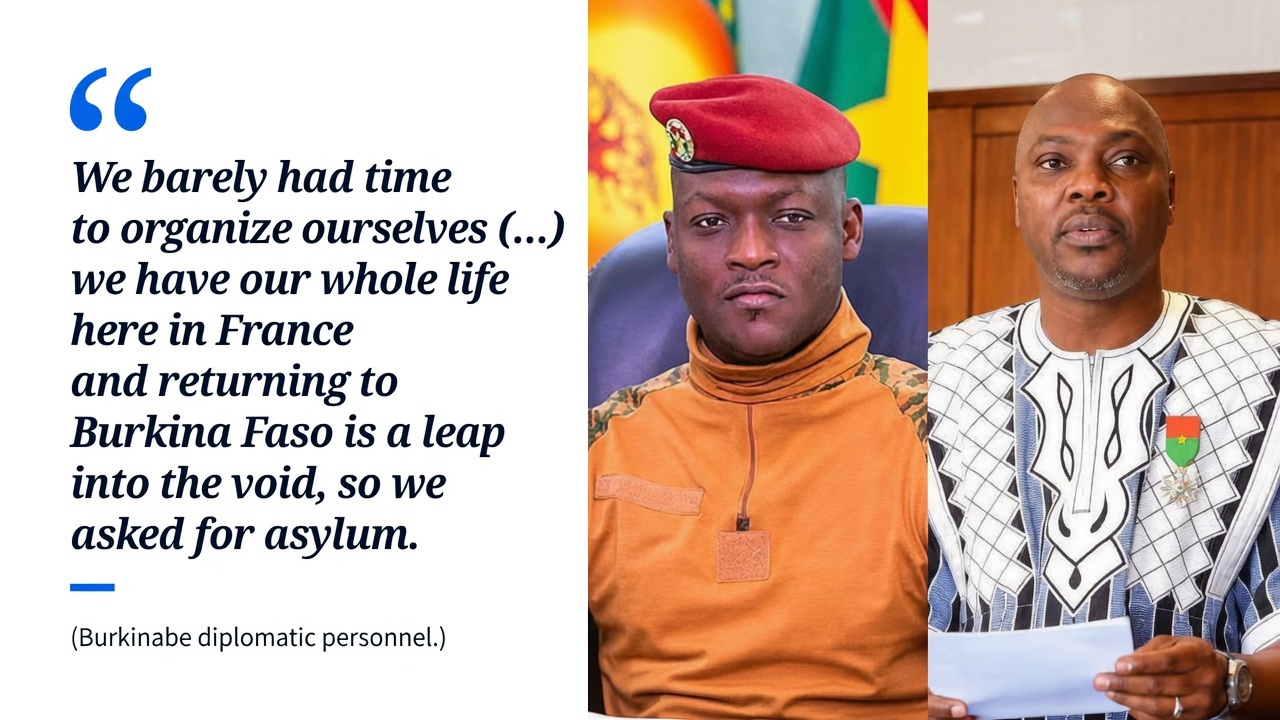
In a widely circulated statement, the diplomats explained their rationale for seeking protection in France, emphasizing the personal upheaval involved:
We barely had time to prepare. Our entire lives are here in France—our homes, our children’s education, our careers. Returning to Burkina Faso feels like stepping into the unknown, so we sought asylum.
Security concerns amplify fears of return
The timing of these asylum requests coincides with Burkina Faso’s ongoing security challenges, including persistent threats from armed groups. Multiple reports highlight public unease regarding civil mobilizations and state-led requisitions, which some civil servants fear could expose them to unsecured zones without adequate safeguards.
Human rights groups and witnesses have raised concerns about the treatment of civilians subjected to such measures, including allegations of forced deployments without proper preparation—claims that remain disputed by authorities. For diplomats recalled from abroad, these conditions amplify their reluctance to return, framing repatriation as a high-risk proposition.
Centralized governance fuels administrative strain
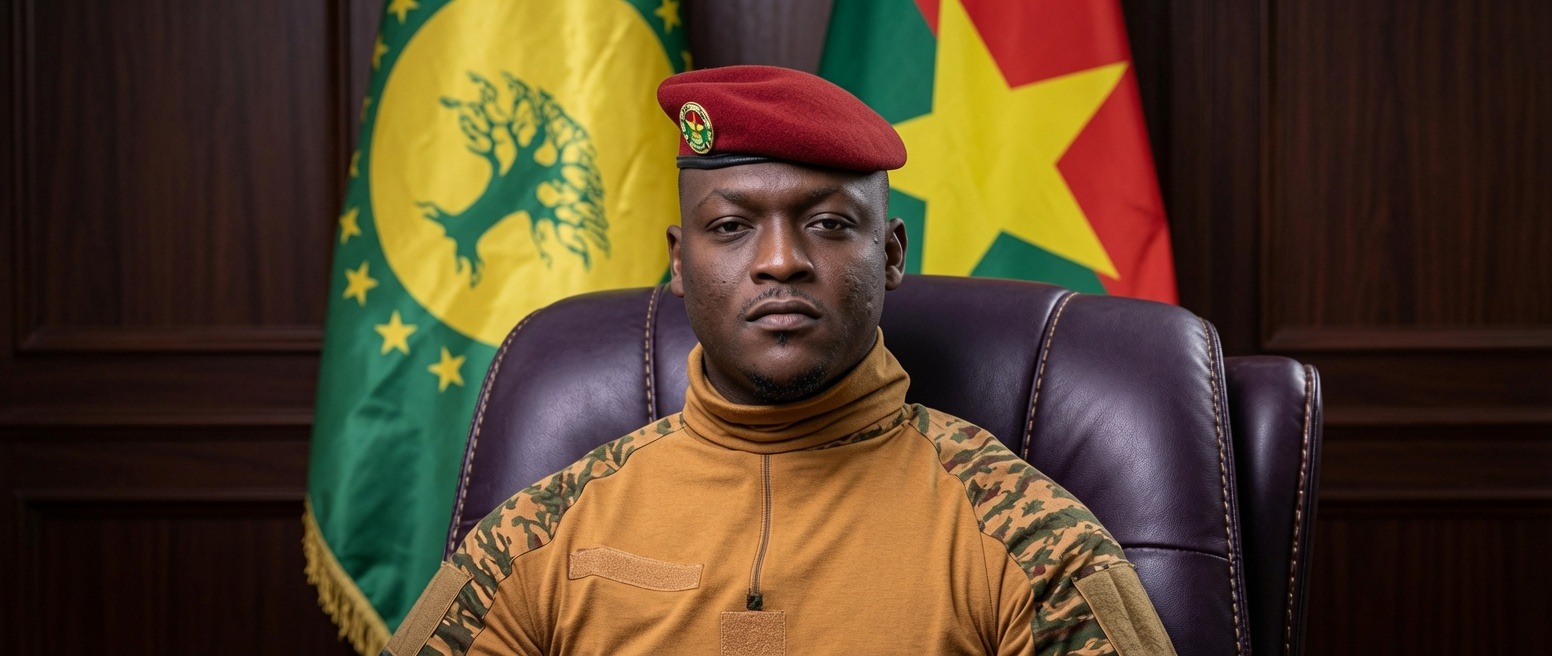
Critics argue that the transitional leadership’s centralized decision-making process—particularly under Captain Ibrahim Traoré—fails to account for the human consequences of sweeping administrative changes. The abrupt recall of diplomats stationed in France for years is cited as an example of policies that disrupt lives without sufficient transition planning or support.
Such decisions, opponents contend, reflect a governance style that prioritizes institutional control over the well-being of personnel and their families.
A symbolic challenge for Burkina Faso
The asylum requests carry significant symbolic weight, as they involve officials whose role is to represent Burkina Faso abroad. Their decision to seek protection elsewhere signals a profound erosion of trust in the domestic political and security climate, raising questions about the stability of the transitional regime.
Historically, asylum bids by diplomats remain rare in international relations, often signaling a level of institutional or security instability that compels even state representatives to seek refuge abroad. For Burkina Faso’s transitional government, this development presents a reputational hurdle, contradicting its stated goals of restoring national sovereignty and public confidence in state institutions.
The human cost behind diplomatic decisions
Beyond political debates, the affair highlights the personal toll of administrative choices on individuals whose lives are deeply intertwined with their diplomatic roles. The embassy staff’s testimony reveals a human dimension often overlooked in official narratives: families uprooted, careers disrupted, and futures uncertain. For some, exile emerges as a preferable alternative to the uncertainties of returning to a nation grappling with crisis.
This episode serves as a stark reminder that high-level decisions can have far-reaching, unintended consequences on those tasked with representing Burkina Faso internationally.