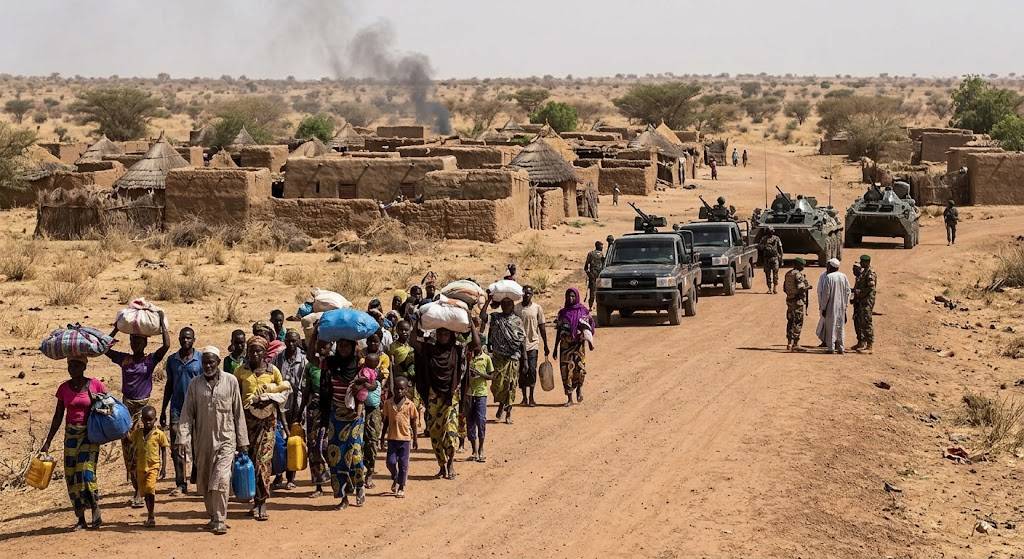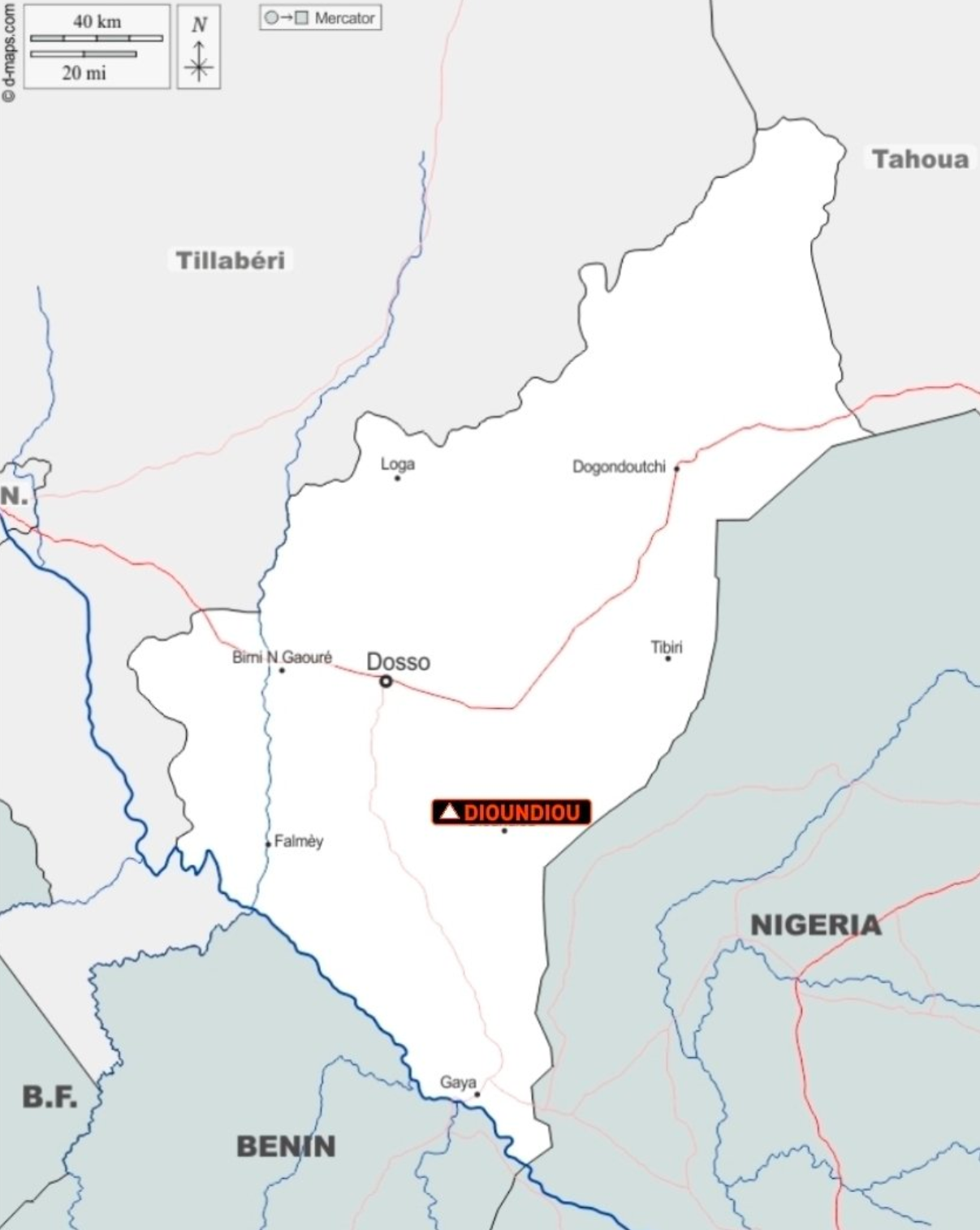
The Dosso region in Niger has once again become the stage for unthinkable violence. Over four days, the villages of Libo I and Libo II in the Dioundou area faced two brutal assaults, leaving behind a trail of death and destruction. The first attack, launched in the dead of night on May 25, 2026, claimed the lives of six civilians, their futures stolen by armed assailants who showed no mercy. The second attack, just days later, was a calculated act of terror—homes were set ablaze, granaries reduced to ashes, and the last remnants of the villagers’ survival were stripped away as livestock was driven off in the night.
Relentless violence leaves communities shattered
The initial assault on Libo I and II was not an isolated incident but part of a disturbing pattern sweeping across Niger’s rural landscapes. Eyewitness accounts describe how armed men descended upon the villages, their actions fueled by a ruthless determination to inflict maximum harm. The loss of life was immediate and tragic, while the psychological toll on survivors lingers like a dark shadow over the community.
The second wave of violence was even more calculated. The attackers returned to ensure no hope remained. Homes were systematically burned to the ground, food reserves—carefully stored for the harsh seasons ahead—were incinerated, and the few possessions left untouched were plundered. Worse still, the assailants took with them the villagers’ livestock, the cornerstone of their livelihoods in a region where agriculture and animal husbandry are the primary means of survival. The devastation left behind is not just physical but existential, pushing survivors to the brink of despair.
ISSP Lakurawa’s growing menace in the Sahel
Local investigations and community testimonies point overwhelmingly to the involvement of the ISSP Lakurawa, an extremist faction linked to the Islamic State in the Greater Sahel. This group, known for its brutal tactics, has expanded its operations across the Sahel, exploiting weak border controls and the absence of state authority in remote areas. Their signature—night raids, summary executions, systemic looting, and the destruction of essential infrastructure—has become a grim hallmark of their campaign.
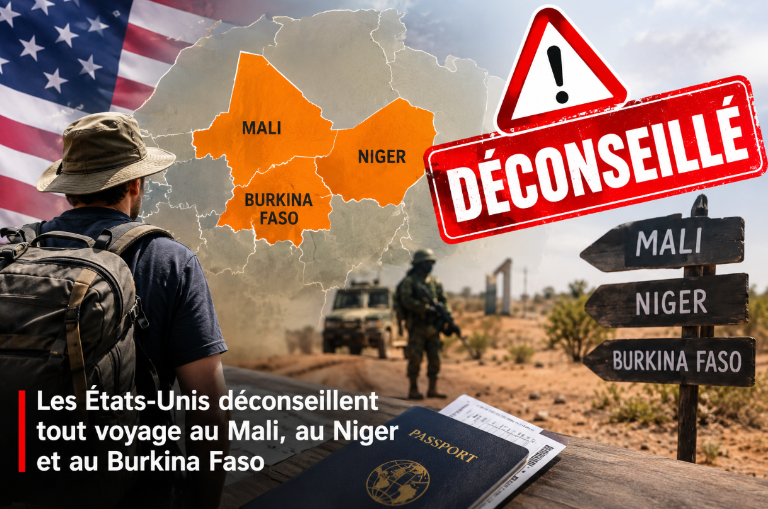
While Dioundou’s villages had previously remained relatively untouched compared to the violence plaguing the “three borders” zone, the recent attacks mark a disturbing shift. For residents, this is no longer a distant threat but a terrifying reality that has shattered their sense of security and forced many to flee, becoming part of Niger’s growing crisis of internal displacement.
Military junta’s promises crumble under pressure
The unfolding tragedy in Libo I and II underscores the stark failure of Niger’s military leadership, the National Council for the Safeguard of the Homeland (CNSP), to deliver on its core pledge: restoring security nationwide. Since the 2023 coup, the situation has only worsened, with violence spiraling out of control despite the regime’s shifting alliances.
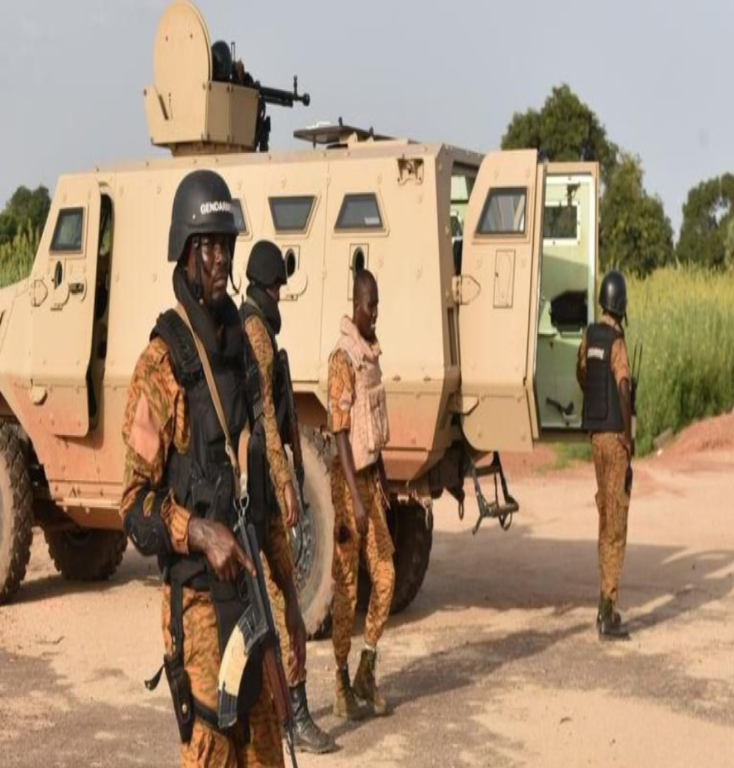
The government’s decision to sever ties with Western partners in favor of new strategic collaborations—particularly with Russian forces and regional allies—has yet to translate into tangible protection for rural communities. Joint patrols and newly announced defense strategies have proven ineffective against highly mobile, heavily armed terrorist groups that continue to strike with impunity. The message is clear: civilians in border regions like Dioundou are left vulnerable, abandoned to face an enemy that grows stronger by the day.
From villages to strategic targets: the expanding reach of terror
The attacks on Libo I and II are not an anomaly but part of a broader and deeply concerning trend. In recent months, Niger has witnessed a dangerous escalation in the boldness of armed groups, who now target not only isolated villages but also critical national infrastructure. High-security zones, including airports and major logistics hubs, have come under threat, exposing the fragility of the country’s defenses.
The recent assaults on airports—symbols of national sovereignty and military hubs—raise a chilling question: if even the most fortified areas are at risk, how can remote villages, guarded by skeletal military detachments, possibly hope for safety? The answer, tragically, is that they cannot. The terrorists’ expanding operational radius and tactical dominance paint a grim picture of a state struggling to regain control.
A nation at the crossroads
The villages of Libo I and II now stand as hollowed-out shells of their former selves. The death of six civilians and the destruction of livelihoods for hundreds more serve as a stark reminder of the urgent crisis gripping Niger. The nationalist rhetoric and political slogans of the junta offer little solace to those on the ground, where the reality is one of unchecked terror and systemic failure.
With extremist groups like ISSP Lakurawa tightening their grip and the state’s response falling short, the risk of entire regions slipping into chaos grows daily. Without a fundamental reassessment of military strategies and a renewed commitment to protecting civilians, Niger’s descent into deeper insecurity seems not just likely but inevitable.