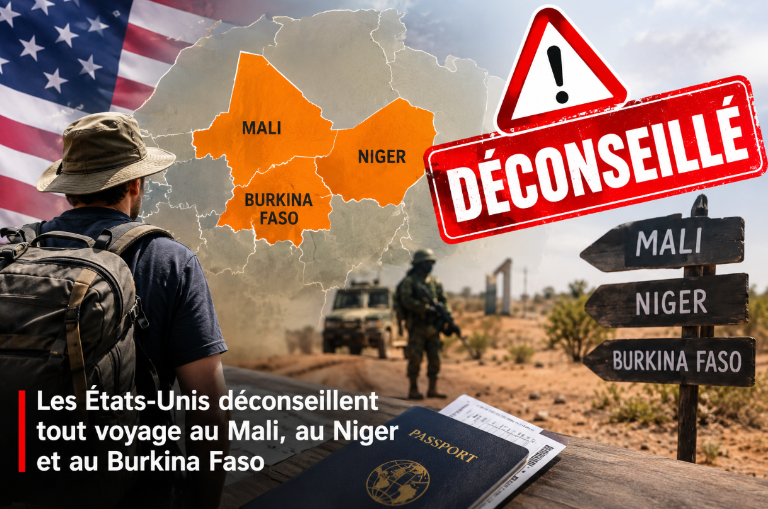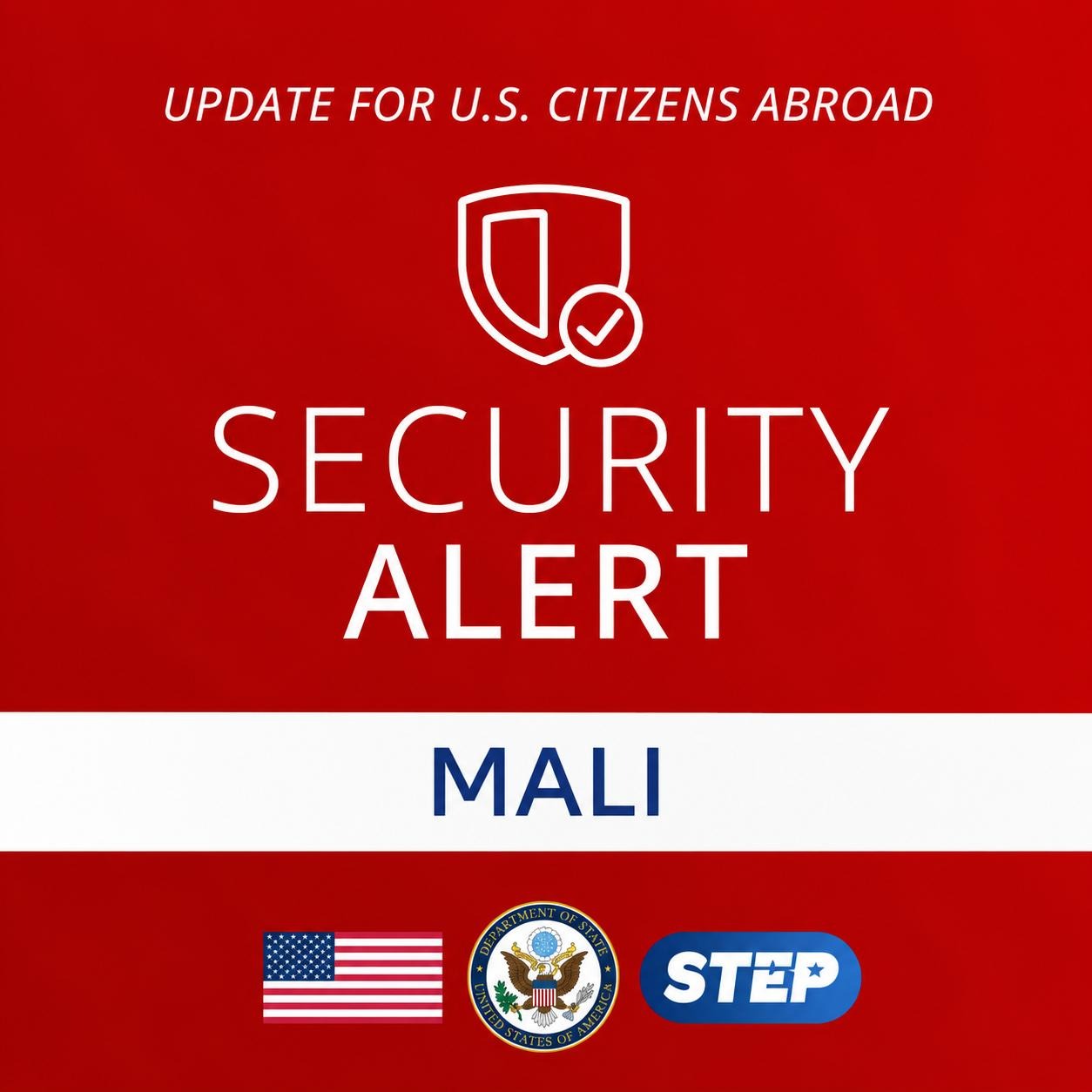
On the eve of May 30, 2026, the United States Embassy in Mali issued a stringent security advisory for Bamako, urging its citizens to minimize all non-essential travel across the capital. The announcement, delivered with diplomatic urgency, signals a sharp escalation in perceived threats, prompting a closer look at the evolving security landscape in Mali’s urban heartland.
What the alert means for residents and expatriates
The embassy’s directive is clear: avoid public gatherings, exercise heightened caution in expatriate-heavy zones, and limit movement to only critical needs. Such advisories are not issued lightly, particularly when aimed at a specific weekend. Insiders suggest this reflects real-time intelligence suggesting imminent risks—whether thwarted attack plans, suspicious movements, or confirmed operational indicators. For those in Bamako, the message is unmistakable: remain vigilant, as the fragile calm of recent months could shatter without warning.
A city under siege from multiple threats
Bamako’s relative security is increasingly fragile. The Group for the Support of Islam and Muslims (JNIM), Al-Qaeda’s Sahel affiliate, has repeatedly demonstrated its ability to strike deep into Mali’s urban centers, including high-profile attacks on military installations and key infrastructure near the capital. These incidents, though sporadic, leave lasting scars on public confidence.
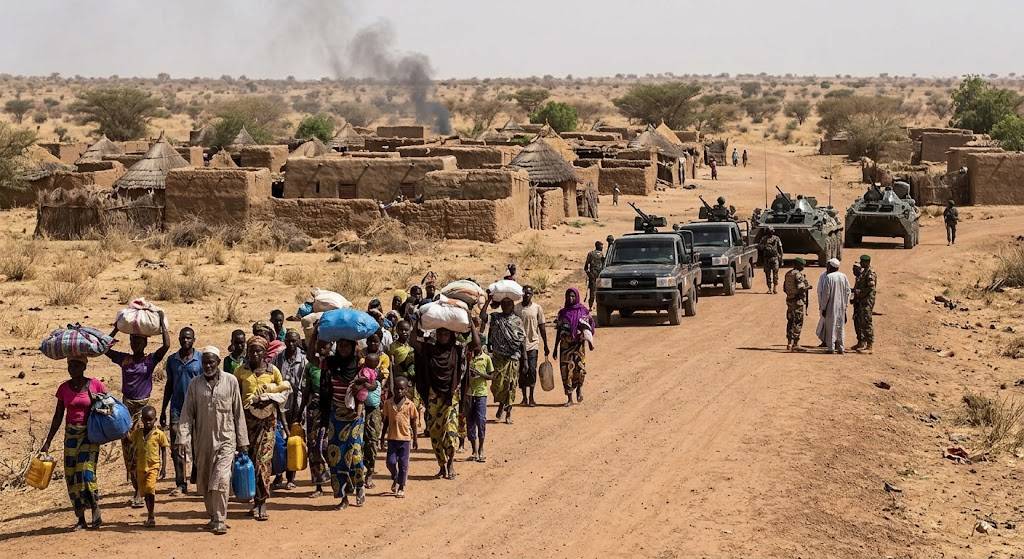
Meanwhile, the northern and central regions remain a powder keg. The Permanent Strategic Framework—now operating under new alliances or in tacit coordination with groups like the Azawad Liberation Front (FLA)—continues to exert pressure on Malian security forces. The proliferation of sleeper cells and improvised explosive devices (IEDs) across these zones forces daily countermeasures, yet the threat remains dangerously adaptable.
The economic stranglehold strangling Bamako
Beyond armed confrontations, a stealthier tactic is tightening its grip: systematic roadblocks by armed factions. Fuel tankers en route to Bamako and supply convoys are prime targets, crippling the capital’s lifelines. These blockades are not mere tactical disruptions—they’re psychological warfare. By severing access to fuel and essential goods, militants aim to erode public trust and expose the state’s inability to secure critical arteries. For the US Embassy, this vulnerability at the city’s periphery drastically heightens the risk of high-impact incidents in or around Bamako.
Diplomatic caution vs. local reassurance
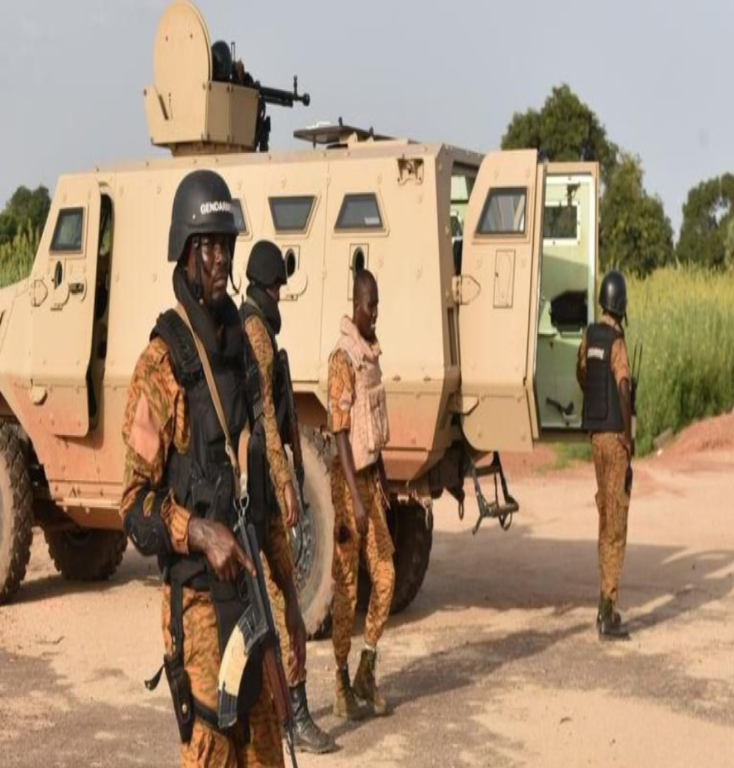
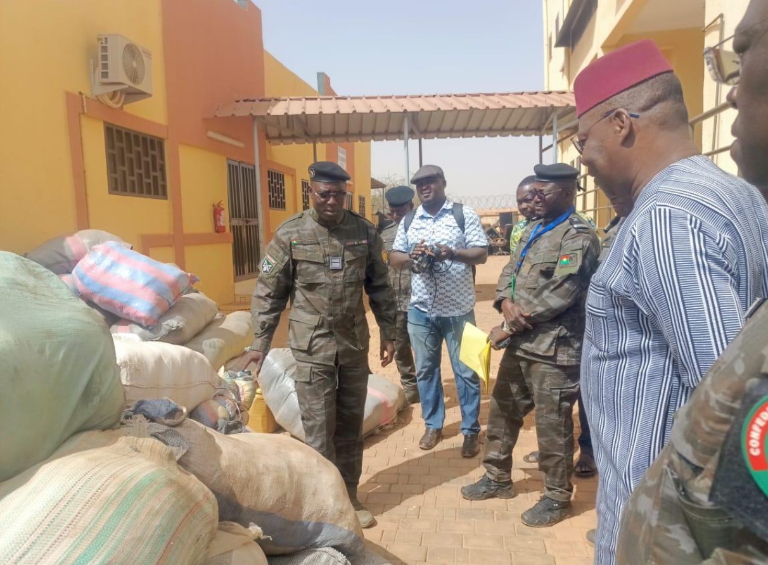
While Malian transitional authorities work to project stability through intensified patrols and checkpoints at the city’s entrances, Western diplomatic missions are taking no chances. This divergence highlights a stark reality: where Bamako’s leadership seeks to project control, foreign observers rely on advanced intelligence to inform their risk assessments. The result? A weekend of elevated surveillance, with Malian security forces conducting rigorous vehicle checks and identity verifications in key districts.
The embassy’s advisory serves as a stark reminder of Mali’s perpetual crisis management. With JNIM’s asymmetric threats looming and road blockades strangling daily life, Bamako operates under a suffocating security shroud. As the weekend unfolds, caution remains paramount—for locals and expatriates alike—amid fears this alert may foreshadow a major incident.