Cyber harassment in Chad escalates against women activists
Cyber harassment has become a growing concern in Chad, with women—especially those advocating for human rights—facing relentless online abuse. The case of Zouhoura, a young woman whose assault was broadcast across social media a decade ago, continues to resonate. Today, the digital violence persists, leaving victims grappling with psychological scars.
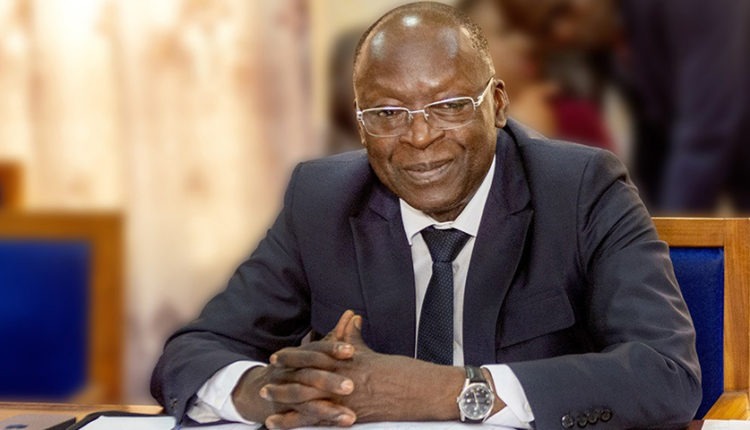
In Chad, a single post or photo can expose women to coordinated harassment. Human rights defenders, including Epiphanie Dionrang, president of the Tchadian League for Women’s Rights, have endured relentless online attacks for their activism. Speaking candidly about her experience, she highlights the urgent need for stronger measures to combat digital violence and protect women in the public sphere.
Voices from the frontlines: the human cost of digital violence
What drives women like you to speak out against cyber harassment while facing such hostility?
Epiphanie Dionrang: Cyber harassment is just another form of violence women endure daily. As a human rights defender, I’ve been targeted for my activism—receiving sexist comments, hate messages, and even intimidating calls. It’s a constant reminder of the risks we take when advocating for change.
How does this kind of harassment manifest in practice?
Epiphanie: It can take many forms—sexist remarks, hate speech, or even the exposure of private information. Some attackers use fake profiles, while others are people we know. The goal is always the same: to silence us.
What are the consequences for victims?
Epiphanie: The impact is devastating. Victims often experience severe anxiety, depression, and a loss of self-esteem. Many withdraw from public life, fearing further humiliation or even suicidal thoughts. The psychological toll is immense, and the fear of retaliation keeps many from reporting these crimes.
The abuse doesn’t just affect mental health—it can destroy careers, social standing, and economic stability. Women hesitate to post online or engage in activism, knowing they may become targets.
Chad’s legal void and the fight for justice
How can victims seek justice in Chad, where digital laws are still lacking?
Epiphanie: Seeking justice is nearly impossible. Even when victims file complaints, authorities struggle to identify perpetrators. My own case—where I reported an assault—remains unresolved after years of delays. Without a dedicated digital crimes law, enforcement is weak, and victims have little hope of protection.
While Chad has a National Cybersecurity Agency and a cybercrime unit, their efforts are largely limited to awareness campaigns. Prevention is not enough—stronger legal frameworks and enforcement are critical. Many victims stay silent because they fear no one will believe them or take action.
Breaking the silence: hope and resilience
Despite the challenges, some voices refuse to be silenced. A documentary by filmmaker Aché Ahmat Moustapha, Harcelement 2.0: The Resilience of Connected African Women, sheds light on the issue. Epiphanie Dionrang appears in the film, which has been screened across Chad to encourage survivors to speak out.
How can society better support victims of cyber harassment?
Epiphanie: We need safe spaces where women feel heard and believed. Too often, social media users rush to judgment without understanding the context. This film has empowered many women to share their stories, proving that collective action can challenge stigma.
The fight against cyber harassment in Chad is far from over. But as more women find the courage to speak out, the pressure grows for stronger protections—and a society that refuses to tolerate digital violence.