The Côte d’Ivoire agricultural sector remains a cornerstone of the country’s economy, though its dominance has shifted over time. While agriculture contributed nearly 50% to the GDP at independence, its share has since declined to 15.9% by 2024. Nevertheless, the sector continues to drive economic growth, employing 46% of the workforce and accounting for 51.5% of the country’s export earnings in 2025.
Rural areas, where poverty levels stand at 54.4%—significantly higher than the national average of 37.5%—are heavily reliant on agriculture for employment. Shockingly, about 90% of farmers in Côte d’Ivoire fall within the lowest income decile, with 60% of cocoa producers living below the national poverty line. This disparity highlights the urgent need for targeted interventions to uplift rural farming communities.
key agricultural drivers and economic dependence
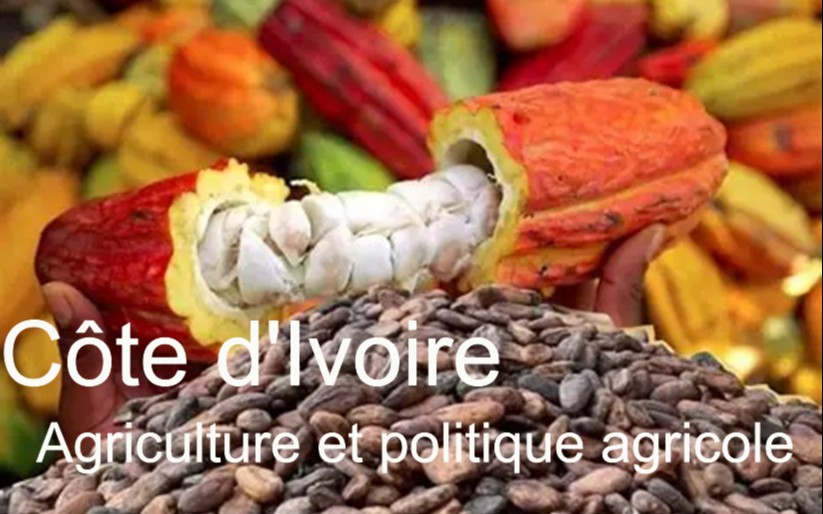
Côte d’Ivoire’s agricultural success is anchored in high-value cash crops, positioning the country as the world’s top producer of cocoa and cashews, and the third-largest producer of natural rubber. However, the nation faces a critical challenge: its heavy reliance on food imports, particularly cereals and fish, which are staples in urban diets. This overdependence underscores the fragility of the local food system and the pressing need for enhanced domestic production.
The Ivorian food production landscape is largely informal, with limited market access for smallholder farmers. This informality restricts productivity, innovation, and income growth, perpetuating cycles of poverty in rural areas. Addressing these structural issues is essential for fostering a more resilient and equitable agricultural sector.