The “Women, Business and the Law 2026” report reveals a mixed landscape concerning gender equality in economic rights across the African continent. While several nations have achieved notable progress, Chad unfortunately lags behind in this crucial area.
Out of 54 African economies, Chad finds itself positioned at 36th place, having secured a score of 51.40 out of 100. This places the nation just behind Burundi, which holds the 35th spot with 52.68 points, and marginally ahead of Botswana and Nigeria, both tied at 37th with 51.10 points. Consequently, Chad is situated within the latter half of the continental ranking, considerably distant from the leading countries.
Mauritius leads the continent, claiming the top position with an impressive 82.30 points. Togo has made a significant leap, securing second place with 79.33 points, closely followed by Côte d’Ivoire in third with 78.25 points. Zambia and South Africa also feature prominently among the top performers. These strong showings are largely attributed to proactive legislative reforms targeting areas such as personal mobility, employment opportunities, marital rights, and entrepreneurial frameworks.
With its score of 51.40 points, Chad remains considerably below both the African and global averages, which hover around 67 points out of 100. Nevertheless, the nation has shown some progress in the realm of personal security, particularly through the implementation of new legislation designed to combat sexual harassment in public spaces.
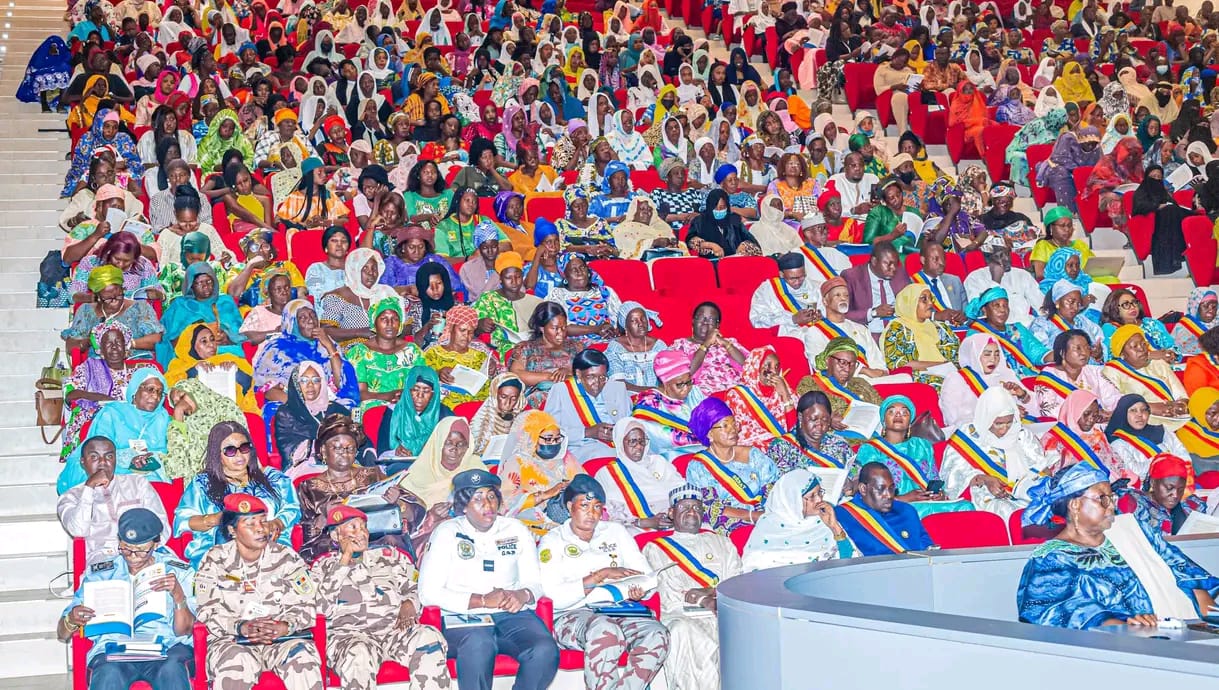
But despite this isolated advancement, several critical deficiencies persist. These include limited access to credit, inadequate protection against workplace discrimination, insufficient parental rights, and a lack of full recognition for property and inheritance rights. Such systemic weaknesses significantly impede the economic participation of Chadian women, who constitute a majority of the active population, particularly within the vital agricultural and informal sectors.
It is also important to highlight the significant disparity between the legal frameworks enacted and their actual enforcement across Africa. Globally, only about 50% of laws designed to promote equality are effectively put into practice.
For Chad, this assessment serves as both a clear diagnosis of the current situation and a compelling call to action. Implementing targeted reforms focused on strengthening property rights, improving access to financial resources, and enhancing protection against various forms of violence could substantially elevate the status of women and foster a more inclusive economic growth trajectory for the nation.