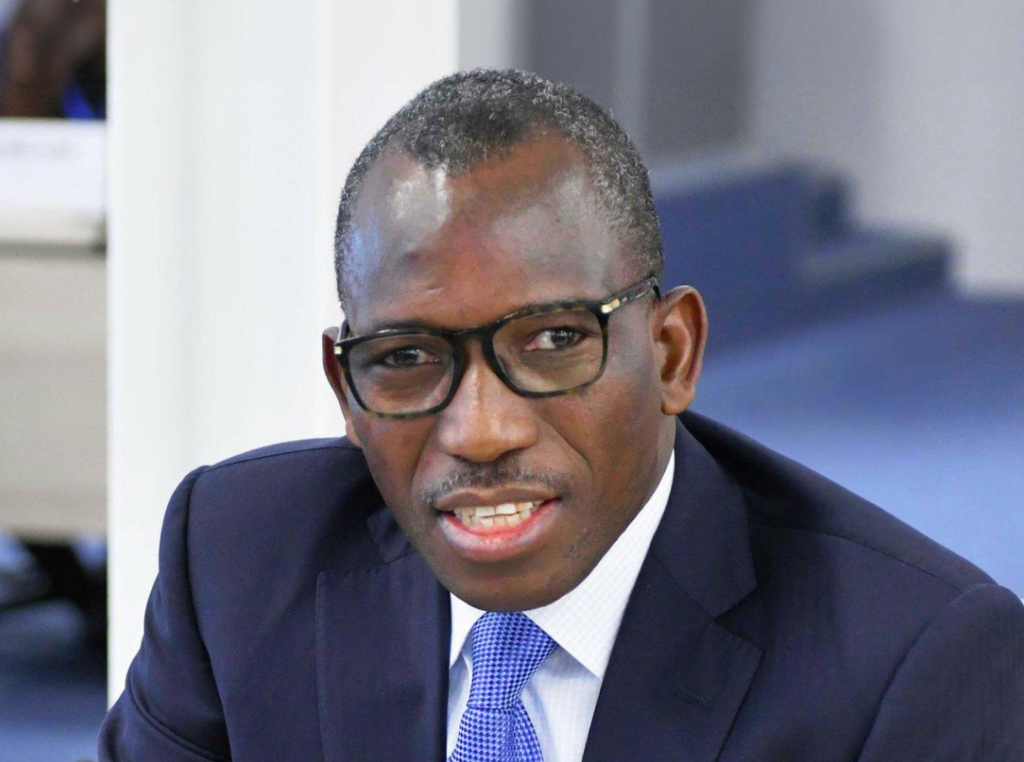
The political landscape in Chad is reeling from recent judicial blows that have left the opposition severely weakened. The Supreme Court’s decision to dissolve the GCAP coalition and the subsequent eight-year prison sentences handed to its eight top leaders mark a critical turning point. Politologist Abouna Alhadj argues that these developments are not isolated incidents, but rather symptoms of a deeper crisis: the opposition’s struggle to adapt and unite against a regime that has firmly established its priorities.
«The immediate consequence is the crippling of what remained of the structured opposition,» Alhadj asserts. He points out that the GCAP leaders, upon their arrest, accepted the dissolution and abandoned planned protests—a move that raises questions. For Alhadj, this could reveal either a lack of organizational strength or a calculated political strategy. «Was the GCAP deliberately exposing the regime’s true nature?» he ponders.
He suggests that the movement may have re-emerged after a prolonged silence, only to see its initial protest swiftly crushed, potentially as a tactic to unveil the regime’s harsh realities. «If this was a strategy, the question remains whether it will yield results,» he cautiously notes.
Fragmentation and the regime’s agenda
Beyond the immediate fallout, Alhadj identifies a troubling fragmentation within the opposition. «The opposition is failing to unite on core issues,» he observes. The arrests of the GCAP leaders elicited minimal support from other political factions, highlighting a lack of cohesion.
The political analyst contends that the ruling power has successfully framed its agenda around security, social cohesion, and national unity—topics that opposition groups struggle to align with. «If your actions don’t align with these priorities, you risk being sidelined—or worse, crushed. And tragically, this seems to have gained widespread acceptance,» he explains. Some opposition groups, in an attempt to stay relevant, have distanced themselves from more radical factions.
Is there hope for renewal?
When discussing potential successors, Alhadj remains measured. While he acknowledges the efforts of parties like the Reformist Party to maintain a political presence, he emphasizes that the solution lies beyond individual figures. «For these remnants of the opposition to endure, they must reorganize and reinvent themselves,» he stresses. He believes a new generation of leaders is inevitable, quoting Michel de Certeau‘s wisdom: «When all doors close, a window always appears.»
Alhadj also calls on the dynamic Chadian diaspora to amplify advocacy efforts on the global stage. He urges international partners to take notice. «The UN, African Union, and global allies cannot ignore the situation in Chad. In the 21st century, arbitrary arrests and unjust convictions are unacceptable without fair trial guarantees,» he asserts.