The president of Senegal, Bassirou Diomaye Faye, is taking deliberate steps to carve out his own political identity, signaling a shift away from the Pastef party that propelled him to power in 2024. This evolution, evident in a recent gathering in Mbour, his hometown, reflects deeper strategic adjustments within the ruling coalition and ahead of upcoming elections.
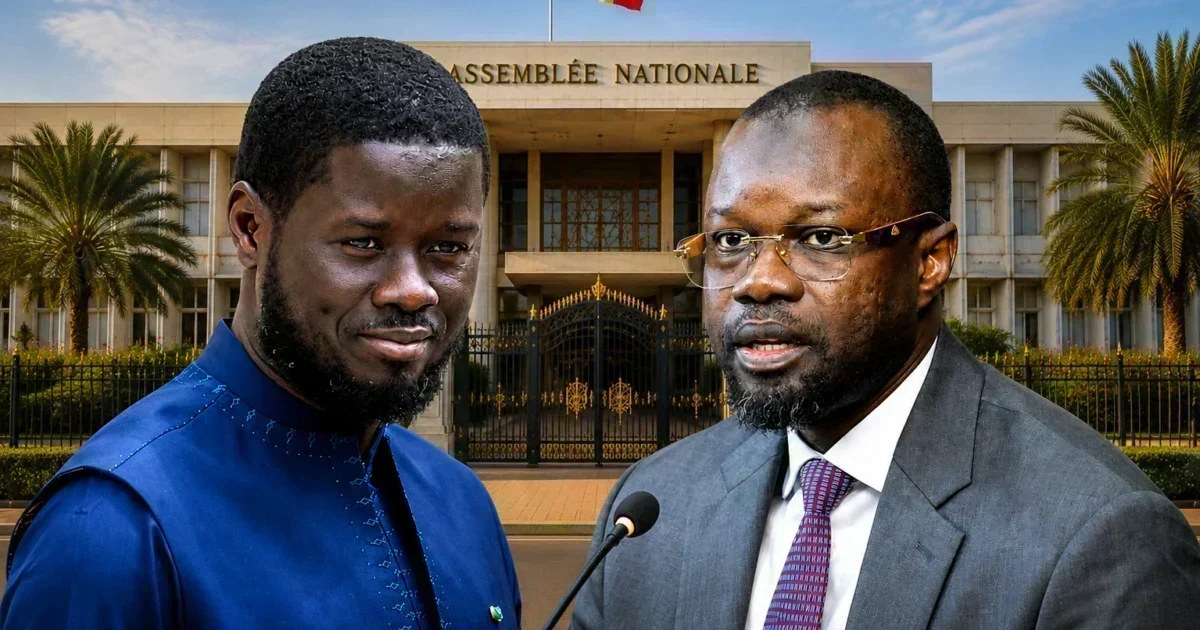
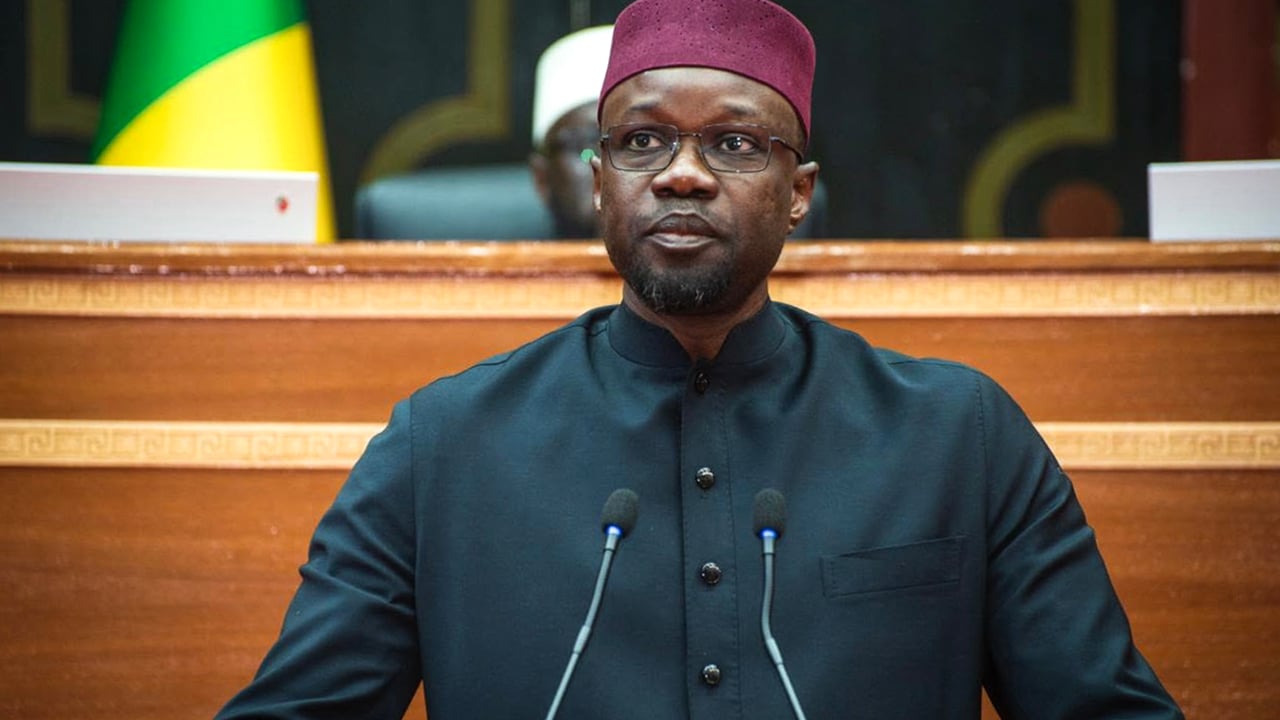
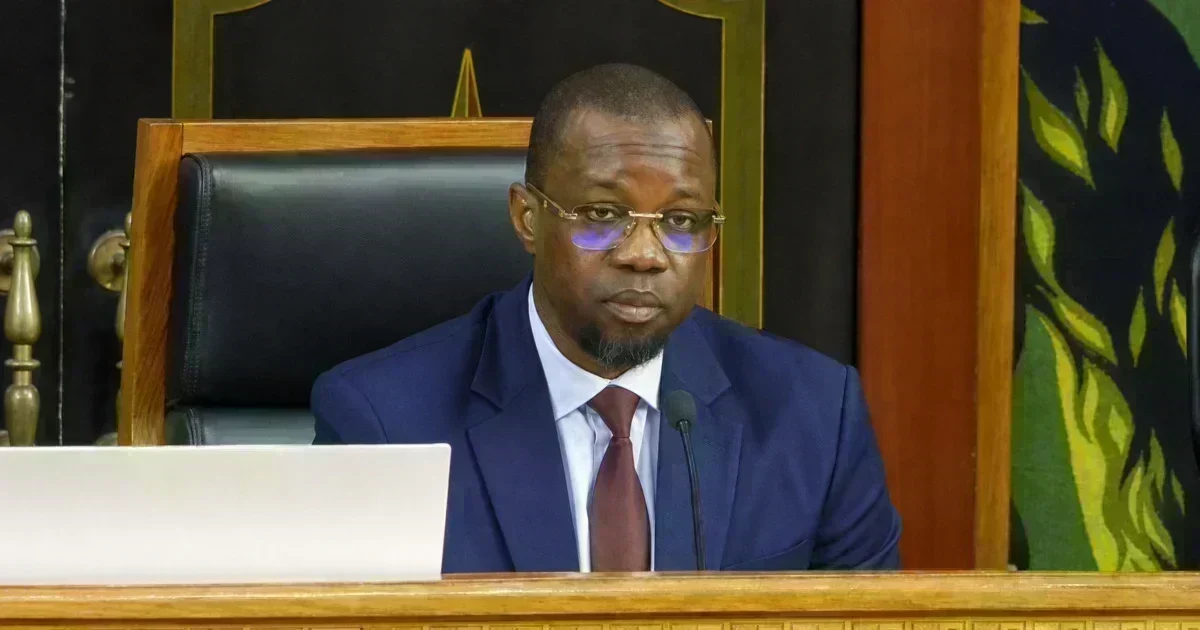
Initially framed as a routine accountability event, the Mbour meeting carried significant political weight. It served as a platform for the “Diomaye Président” coalition to reaffirm its independence from Pastef, the movement led by Prime Minister Ousmane Sonko. Observers noted this as a calculated move to establish a distinct “diomayiste” current, one that prioritizes presidential authority over party affiliation.
asserting presidential autonomy
For months, Bassirou Diomaye Faye has subtly distanced himself from Pastef’s influence. During a high-profile interview in early May, he criticized what he described as an “excessive personalization” of the political project—a thinly veiled critique of Sonko’s dominant role in shaping Senegal’s political landscape. The Mbour event was positioned as a step toward consolidating this autonomy, emphasizing the constitutional primacy of the presidency over party structures.
testing popularity and political leverage
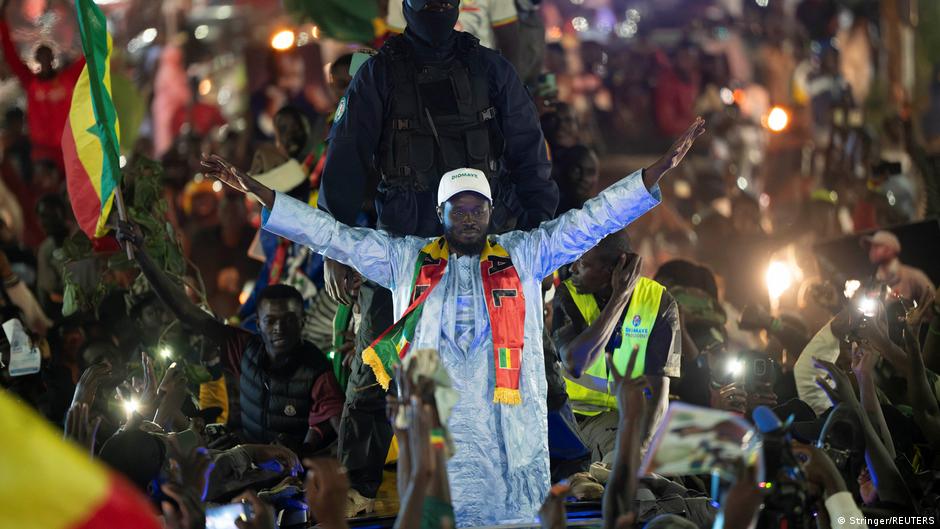
The choice of Mbour was strategic. As a stronghold of the ruling coalition, it provided a controlled environment to gauge public support beyond Pastef’s core networks. While the president did not attend in person—addressing the crowd via video—the stadium’s packed attendance underscored the coalition’s ability to mobilize outside traditional party ranks. Analysts view this as both a popularity test and a preparatory move for the legislative and presidential elections ahead.
the 2029 presidential question
At the Mbour gathering, some coalition officials openly urged Bassirou Diomaye Faye to seek re-election in 2029—an early and potentially divisive call. While the constitution permits a second term, this stance complicates the already strained relationship between the president and Sonko. The dynamic between the two leaders, marked by personnel changes and competing narratives, risks deepening internal fractures if left unresolved.
Public expectations remain high in Senegal, with pressing issues like youth employment, economic reforms, and cost-of-living pressures demanding immediate attention. Despite some progress, delayed reforms have fueled public impatience, adding urgency to the president’s political repositioning.
a pivotal moment in faye’s presidency
The Mbour meeting represents more than a political rally—it is a defining moment in Bassirou Diomaye Faye’s presidency. Moving beyond the revolutionary rhetoric of 2024, he is now navigating the realities of governance: balancing party loyalty, institutional authority, and long-term political strategy. The challenge lies in whether this differentiation strengthens his leadership or exacerbates internal divisions in a nation where unity has been touted as the cornerstone of the promised “break with the past.”