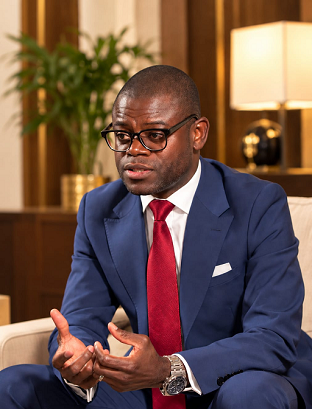
In Cameroon’s political corridors, whispers have grown louder in recent weeks about an unexpected contender vying for a high-profile position. Finance Minister Louis-Paul Motaze, long known for his technical expertise in economic management, is quietly positioning himself for a role that could reshape the country’s leadership landscape: the vice-presidency.
As President Paul Biya approaches the twilight of his tenure, the race to secure key positions in his succession plan intensifies. While many anticipated figures like Ferdinand Ngoh Ngoh or Franck Biya to emerge as frontrunners, Motaze’s strategic maneuvering has caught political observers off guard. His campaign, though discreet, appears to be gaining traction among influential stakeholders.
Inside the quiet campaign
Unlike traditional power plays, Motaze’s bid for the vice-presidency relies on a calculated blend of administrative prowess and behind-the-scenes alliances. His tenure as Finance Minister, marked by prudent fiscal policies and infrastructure investments, has bolstered his reputation as a pragmatic leader capable of steering Cameroon through turbulent times.
The minister’s supporters argue that his economic acumen makes him an ideal successor in a role that often bridges domestic governance and international diplomacy. Analysts note that Motaze’s ability to navigate complex financial landscapes—including debt restructuring and foreign partnerships—aligns with the demands of a vice-presidency increasingly critical to Cameroon’s stability.
Challenges and uncertainties
Yet, the path to the vice-presidency is fraught with challenges. The role’s ambiguity in Cameroon’s political structure leaves much to interpretation, and Motaze’s lack of a prominent political base could hinder his ambitions. Opponents may argue that his background in economics, while valuable, lacks the grassroots support traditionally required for such a position.
Moreover, the delicate balance of power within the ruling party means that Motaze’s bid is not guaranteed. President Biya’s eventual choice may hinge on factors beyond mere competence, including regional loyalties and generational shifts within the establishment.
What’s next for Cameroon’s leadership?
As Cameroon braces for a transitional phase, the vice-presidency debate underscores deeper questions about the country’s future. Will Motaze’s quiet ascent redefine political norms, or will traditional power structures prevail? The coming months will reveal whether his economic legacy can translate into a leadership role—or if Cameroon’s intricate political chessboard will favor a different player.
The stakes are high, not just for Motaze, but for a nation watching closely as its next chapter begins to unfold.