Cameroon’s silent president: the mystery of Paul biya’s prolonged absence
Cameroon: the unanswered questions surrounding Paul Biya’s prolonged absence
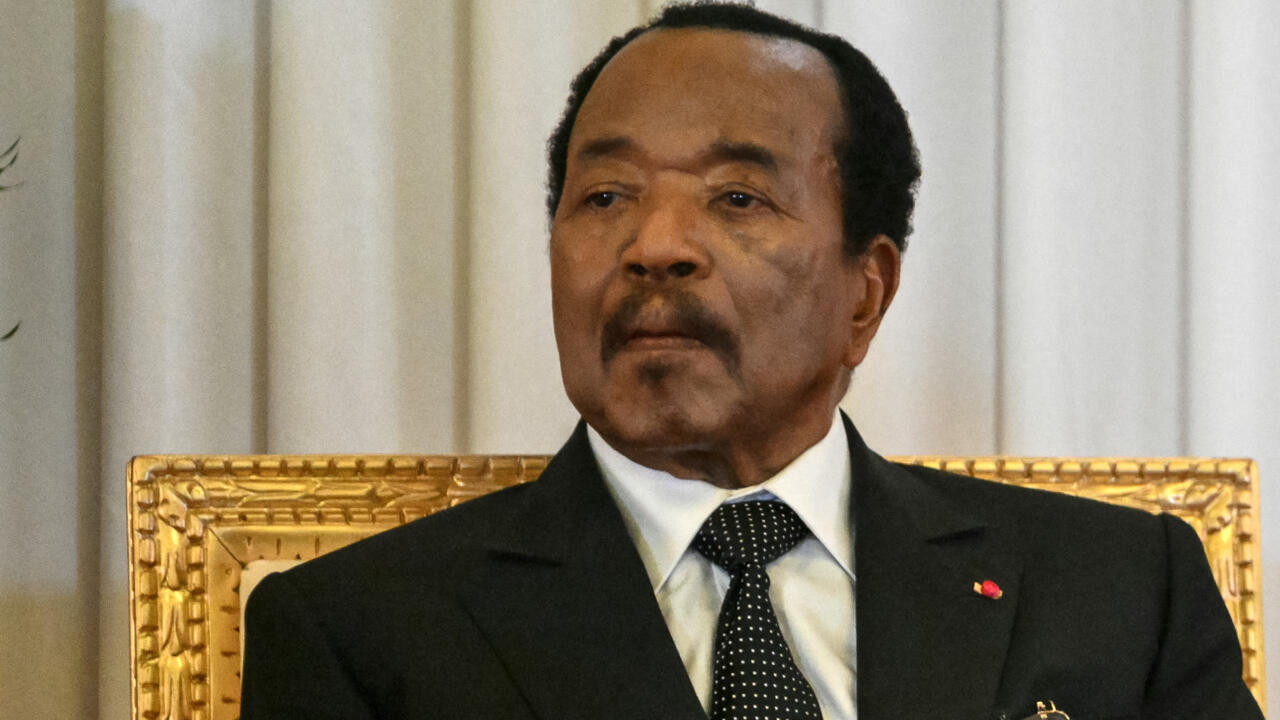
At 93 years old and after 44 years in power, President Paul Biya of Cameroon has now been absent for 58 days—the longest stretch of his extended rule. Departing on June 7 for what was described as a short private stay in Europe, the head of state has not been seen in public since. In response to mounting concerns, his Minister of Communication, René Sadi, has broken silence: “The president is alive and well. There is no power vacuum”, though he offers no return date. What does this prolonged absence reveal about Cameroon’s political landscape? Is the question of succession now unavoidable?
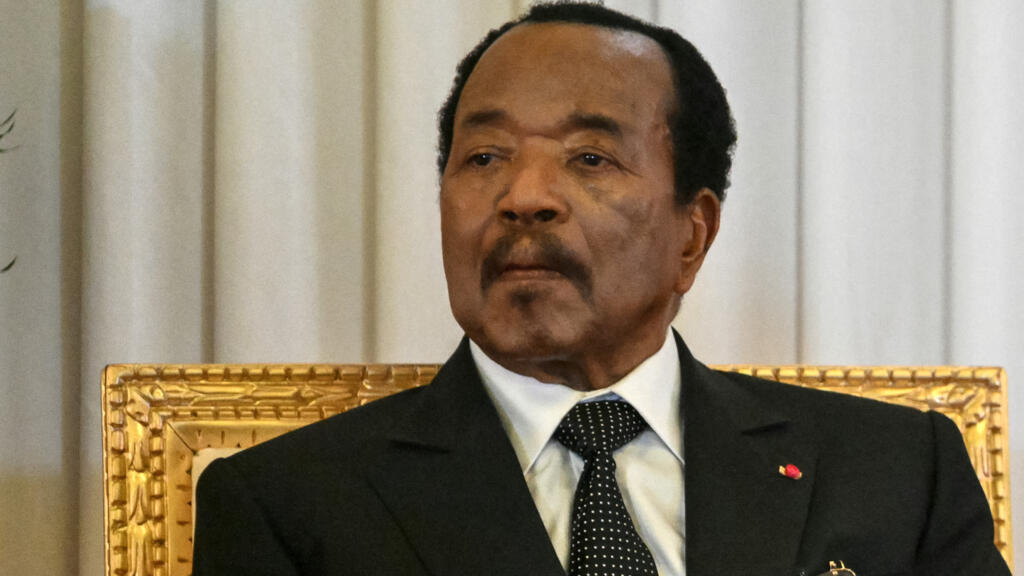
Paul Biya’s prolonged absence has ignited widespread speculation. At his advanced age, questions about his health and the future of leadership in Cameroon grow louder with each passing day. While the government insists there is no void in power, the lack of public appearances and the absence of a clear timeline for his return fuel uncertainty.
What we know about the president’s absence
The president left Cameroon on June 7, officially for a private visit to Europe. Since then, no official images or statements have confirmed his presence abroad or his health status. Minister René Sadi’s assurance that “there is no power vacuum” does little to dispel concerns, especially given the 58-day gap in public visibility.
The minister did promise a return very soon, but offered no specific date. This ambiguity raises important questions: Is the president unable to return due to health reasons? Is there an internal power struggle delaying communication? Or is this a carefully orchestrated absence to test the waters of succession?
Implications for Cameroon’s political future
The extended silence from the head of state comes at a critical moment. With Cameroon facing security challenges in its northern regions and ongoing socio-economic pressures, the absence of clear leadership communication creates a climate of instability.
Speculation around succession has intensified. Who would take over if President Biya is unable to resume his duties? The constitution outlines a process, but the lack of transparency fuels rumors about potential internal rivalries within the ruling party, the Cameroon People’s Democratic Movement (CPDM).
Public reactions vary. Some citizens express concern over the lack of information, while others question whether the government is preparing for a transition. The longer the silence persists, the greater the risk of political uncertainty.
Government response and public trust
Minister Sadi’s statement, though reassuring on the surface, lacks detail and transparency. In an era where public trust in institutions is fragile, such vagueness can do more harm than good. The government’s ability to manage this moment will define its credibility moving forward.
Without concrete updates or evidence of the president’s well-being, skepticism grows. Is the absence a sign of incapacity, or a strategic pause to recalibrate political strategy? Only time will tell.