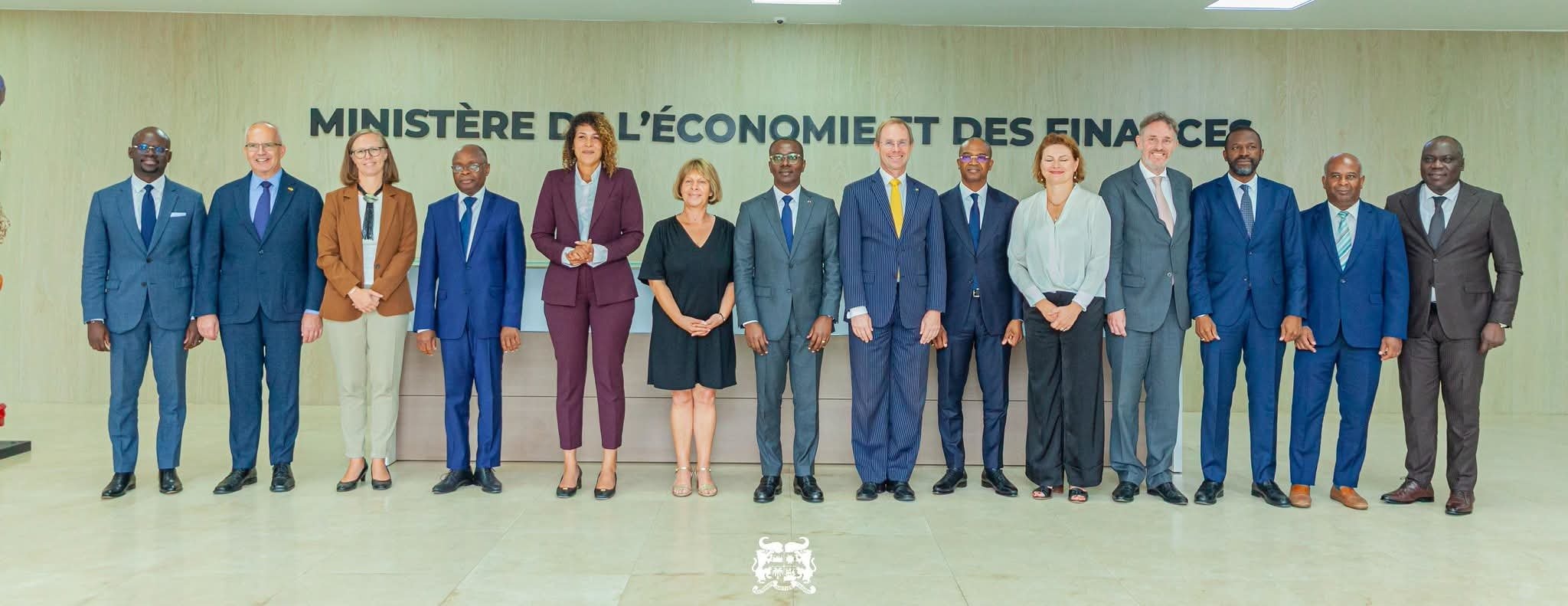
Cooperation between the African Development Bank (AfDB) and Cameroon continues to show a significant increase in approved funding volumes, yet struggles to achieve a proportional rate of resource utilization. Since the implementation of the Country Strategy Paper (CSP) 2023-2028, the pan-African institution has greenlit eight new operations for Yaoundé, accumulating to a total of 833.8 billion FCFA. This sum represents 67.9% of the initial indicative envelope, which was set at 1,227.5 billion FCFA for the period. These figures were released by the Bank on July 17, 2026, following a joint review held three days prior in the Cameroonian capital.
The acceleration of financial commitments is undeniable. The AfDB now pegs its total commitments to Cameroon at 1,603.6 billion FCFA in 2026, a substantial rise from 1,226.2 billion FCFA at the onset of the CSP. This marks an increase of 377.4 billion FCFA, or nearly 31%. Concurrently, Cameroon’s annual access capacity to sovereign window resources has surged by 57.1%, moving from 273.3 billion to 429.4 billion FCFA. These robust figures underscore a renewed vote of confidence from the multilateral lender in Cameroon’s economic trajectory.
Disbursement rate stagnant at 26%
Despite these growing commitments, the translation of these pledges into actual expenditures remains sluggish. The entire active portfolio, valued at 1,629.2 billion FCFA during the joint review on July 14, 2026, exhibits a cumulative disbursement rate of only 26%. This ratio encompasses both operations initiated prior to the CSP and those approved since 2023. It signifies a broader structural challenge for the nation in effectively absorbing and deploying available financing, rather than solely reflecting the newly validated 833.8 billion FCFA.
The joint review identified persistent obstacles impeding fund utilization. Delays in the signing and entry into force of financing agreements are commonplace, while the allocation of national counterpart funds by the Public Treasury remains insufficient. Furthermore, the late submission of audit reports to the lender frequently slows down processes. These recurring frictions hamper every stage from project approval to effective execution, including the fulfillment of prerequisites, procurement procedures, mobilization of contractors, and the release of tranches.
Transport and energy dominate financing
A sectoral analysis of the portfolio reveals a heavy concentration on large-scale infrastructure projects. The transport sector accounts for 53.83% of mobilized resources, followed by energy, which captures 22.32%. Agriculture represents 10.8% of the portfolio, with the social sector trailing at 9.19%. When measured against the total value of the active portfolio, these proportions translate to approximately 877 billion FCFA for transport and 364 billion FCFA for energy. Together, these two segments command more than three-quarters of the Bank’s total exposure in Cameroon.
The Ministry of Economy has highlighted several tangible achievements stemming from this partnership: the construction of over 570 kilometers of roads, the Nachtigal hydroelectric power plant boasting 420 MW of installed capacity, and the distribution of more than 133,000 tons of fertilizers and improved seeds. Ongoing projects are projected to generate over 14,500 direct jobs, with a specific focus on empowering youth and women. However, these promising projections are contingent upon the successful and timely commencement of these construction initiatives.
Decline in ‘red alert’ projects
A positive trend has emerged from project monitoring. The proportion of projects flagged as ‘red alert’ – indicating those facing significant delays or threats to their objectives – has decreased from 48% at the end of February to 26% by mid-July 2026. This 22-point reduction brings the Cameroonian portfolio closer to the AfDB’s institutional target of 25%. This improvement reflects the initial positive impacts of the acceleration plan jointly adopted in February, which introduced performance contracts, monthly sectoral reviews, and prioritized the processing of operations signed but without disbursement for over fifteen months.
“We must transition from a procedural mindset to a culture driven by results,” emphasized Léandre Bassolé, the AfDB’s Director General for Central Africa. Following the July review, the official underscored the vital role expected from the private sector in driving economic transformation. With nearly 68% of the indicative program already validated, the true success of this partnership will hinge less on the volume of new announcements and more on the speed of execution. This necessitates a focus on reducing administrative delays, securing national counterpart funds, streamlining procurement processes, and ensuring strict adherence to audit obligations. The second half of the CSP period will primarily be defined by the effective delivery of crucial infrastructure projects on the ground.