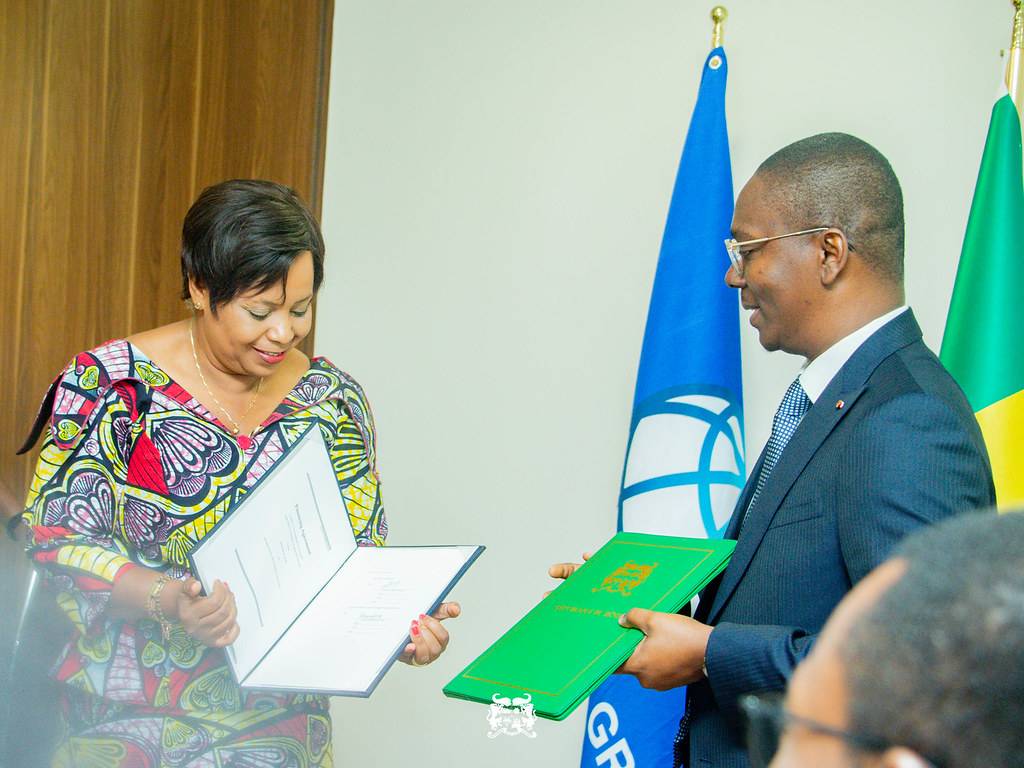
Cotonou is accelerating its structural transformation with a landmark financial agreement signed with global partners. On July 17, 2026, the Benin government and the World Bank finalized two major financing deals totaling $320 million USD. This strategic infusion targets energy sovereignty, agricultural revitalization, and human capital development—key pillars reshaping the nation’s economic trajectory and improving living standards nationwide.
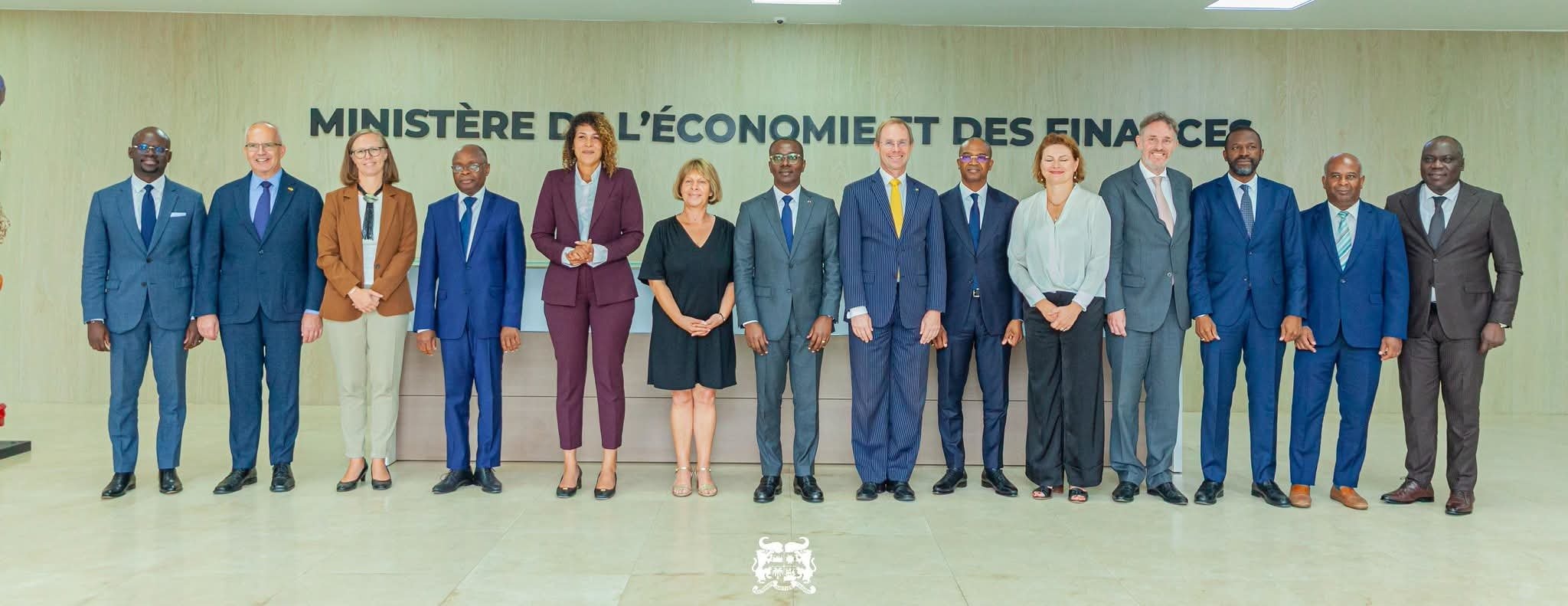
The agreements were formalized at the modern Cité ministérielle in Cotonou, where high-level officials from Benin and the World Bank convened to solidify a partnership poised to redefine the country’s development landscape. Rather than merely injecting capital, these funds validate a forward-looking economic vision that merges heavy infrastructure with social progress, positioning Benin for sustainable and inclusive growth.
Dogo-Bis Hydro-Multifunctional Dam: Powering progress in the Ouémé Valley
The first initiative, valued at $150 million USD, funds the construction of the Dogo-Bis hydro-multifunctional dam—a project designed to serve multiple economic and social roles. This infrastructure will significantly boost electricity generation, reducing Benin’s reliance on regional energy imports, a longstanding challenge for local industries. As noted by Édouard Dahome, Minister of Energy, Water and Mines, the dam will provide stable and competitive electricity to the Ouémé Valley, unlocking its industrial potential.
Beyond energy, Dogo-Bis will stabilize water supply, enabling year-round agricultural productivity and fostering agro-industrial growth. The Ouémé Valley, rich in agricultural potential, has historically struggled with water scarcity and limited processing infrastructure. With this project, the government aims to secure food production, attract private investment, and position the region as a key agricultural hub.
ALAFIA I: Investing in human capital for long-term prosperity
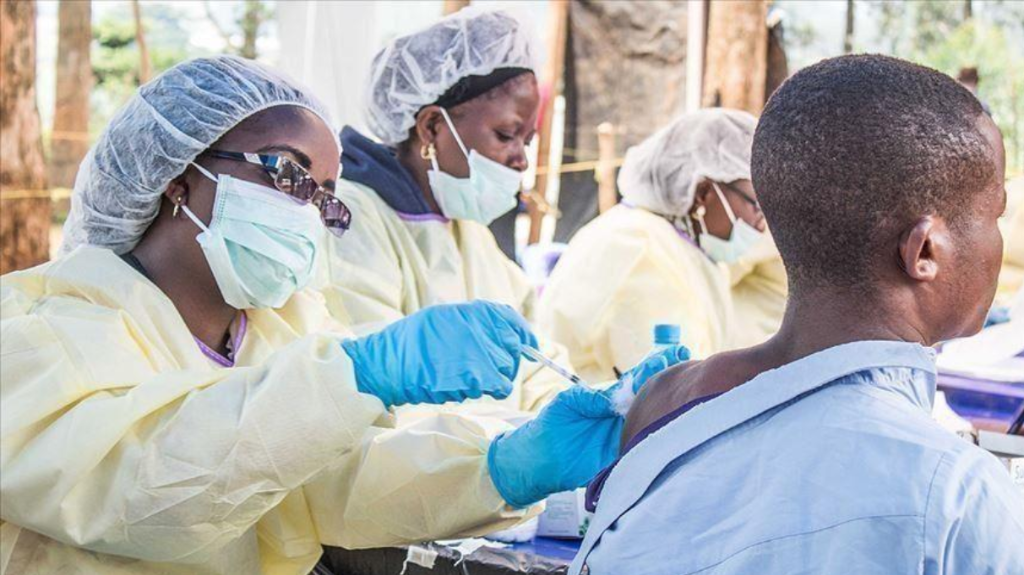
The second agreement, worth $170 million USD, supports ALAFIA I—“Nourish Benin for the Future”—a program focused on early childhood nutrition, maternal health, and sustainable food systems. By prioritizing preventive healthcare and quality nutrition services, Benin is tackling developmental challenges at their source.
Economic research consistently shows that investments in early childhood yield the highest returns in public policy. A healthier, better-nourished population translates into lower healthcare costs, higher school enrollment rates, and a more productive workforce. ALAFIA I is not just a social program—it’s a strategic economic investment that ensures growth benefits all segments of society, particularly women and children in rural areas.
Synergistic funding for a resilient economy
The true strength of this financial package lies in the synergy between the two projects. As Hugues Oscar Lokossou, Minister Delegate for External Resource Mobilization and Debt Management, emphasized, these investments are designed to reinforce each other. Together, they aim to enhance food security, improve territorial connectivity, and sustain economic expansion.
The Dogo-Bis dam will generate energy and irrigation, supporting agro-industrial development in the Ouémé Valley. Meanwhile, ALAFIA I will strengthen the health and nutrition of the population, ensuring a skilled and resilient workforce. Improved infrastructure and food self-sufficiency will reduce costly food imports, while better public health outcomes will enable a workforce capable of driving industrial growth. This integrated approach creates a virtuous cycle of development.
Setting a sustainable development model for West Africa
The $320 million commitment from the World Bank reflects strong confidence in Benin’s economic governance and stability. In a regional landscape often marked by instability, Cotonou is emerging as a magnet for international investors and development partners. The overarching goal is clear: to transition from a transit economy and subsistence agriculture to a diversified, semi-industrial economy resilient to external shocks.
By emphasizing sustainable infrastructure and inclusive growth—particularly for women and children in rural areas—Benin is pioneering a development model that prioritizes equity and long-term stability. The July 17 agreements represent more than administrative success; they are foundational steps toward a future where growth is not just measured in GDP, but in the well-being of every citizen.
With execution now underway, the nation watches closely. The challenge ahead is not just to build infrastructure or disburse funds, but to deliver tangible improvements in daily life. For the people of Benin, this $320 million investment is a promise of progress—and the world is taking notice.