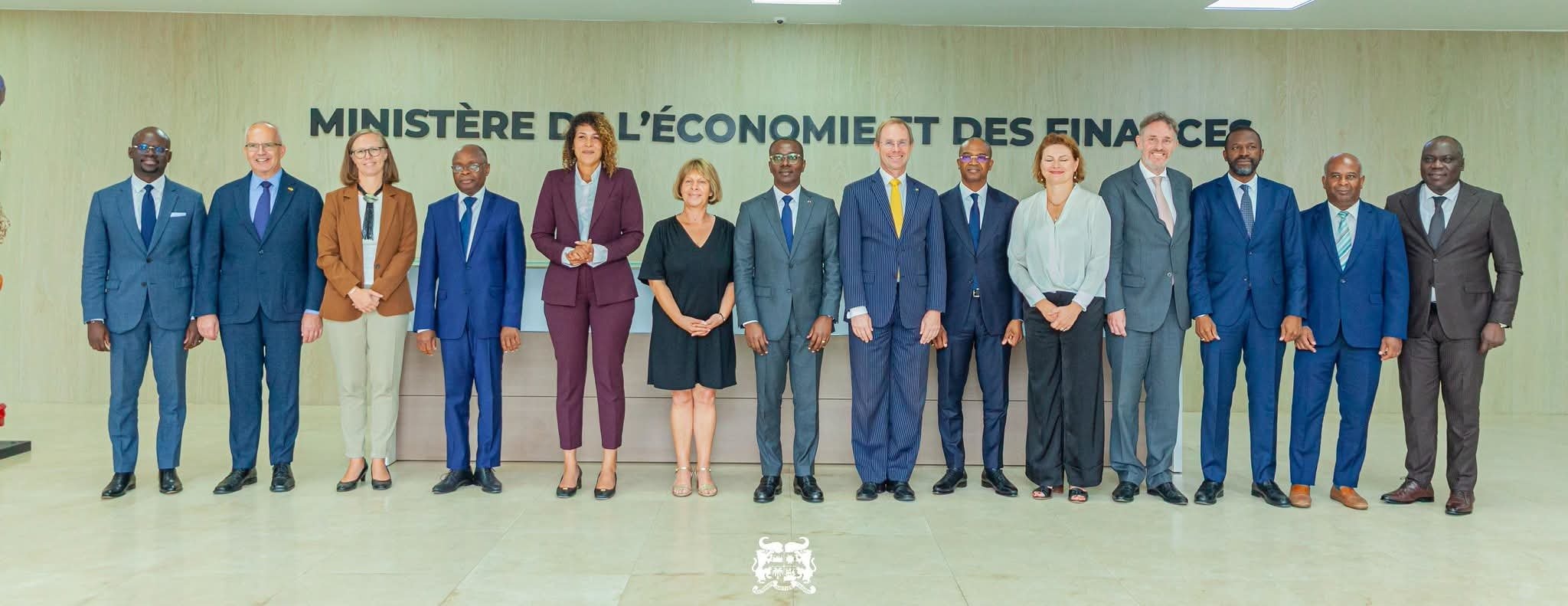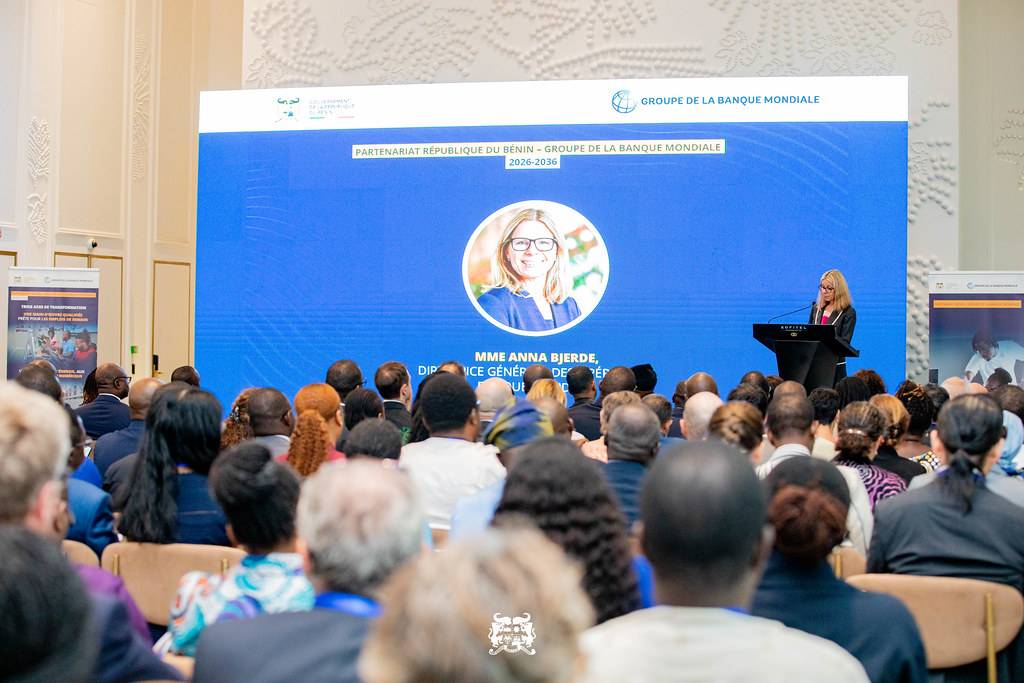
Cotonou witnessed a historic moment on Friday, July 17, 2026, as the official launch of the Country Partnership Framework (CPP) 2026-2036 unfolded at the Sofitel Cotonou Marina Hotel & Spa. This landmark agreement between the Beninese government and the World Bank Group signals a decade-long commitment to three transformative pillars: human capital, productive infrastructure, and youth employment. Aligned with the nation’s forward-looking Alafia Bénin 2060 vision, this strategic roadmap is set to reshape the country’s socio-economic landscape.
Why this partnership matters now
The event drew top-level participation, from government officials and diplomats to international institution representatives and private sector leaders. Far from a routine update, this framework represents a complete overhaul of the World Bank’s financial and technical support strategy for Benin over the next ten years. It arrives at a pivotal juncture in the country’s political and economic trajectory, as the government seeks to consolidate macroeconomic gains while accelerating inclusive growth.
The presence of Anna Bjerde, World Bank Group Managing Director of Operations, underscored international confidence in Benin’s structural reforms. The timing reflects renewed trust from global development partners in the government’s ability to deliver sustainable progress.
A decade of economic transformation
More than just chasing GDP growth figures, the CPP 2026-2036 aims to fundamentally restructure Benin’s economy into one that is more competitive, resilient, and inclusive. The framework’s financial leverage is a game-changer: by securing stable funding for a full decade, the World Bank enables Benin to execute major infrastructure projects without compromising fiscal stability. This influx of capital and expertise is designed to unlock private investment, both domestic and foreign, creating a self-sustaining growth cycle.
The three pillars driving change
The partnership’s success hinges on three interconnected priorities:
- Human capital development: A healthy, skilled workforce is the bedrock of economic expansion. The CPP tackles nutrition, public health, and vocational training reforms head-on, aligning educational programs with current and future labor market demands.
- Critical infrastructure expansion: Infrastructure bottlenecks continue to hobble local businesses. Massive investments are slated for energy, digital connectivity, and transport networks. By strengthening links between agricultural zones, urban centers, and the Port of Cotonou, Benin aims to slash logistics costs and boost exports.
- Private sector-led growth: Small and medium enterprises (SMEs) will receive targeted support to improve the business climate, enhance access to credit, and nurture entrepreneurship among youth and women. These reforms position the private sector as the engine for sustainable job creation.
Youth employment: the make-or-break challenge
With over half its population under 25, Benin faces a demographic dividend that could either fuel progress or fuel instability. The CPP places youth employment at the heart of its strategy, with Aristide Medenou, Minister of Economy, Finance and Cooperation, emphasizing its urgency. The plan prioritizes high-value agricultural and agro-industrial sectors—areas capable of absorbing young workers and curbing rural exodus.
By integrating World Bank technical assistance with national industrialization goals (mirroring initiatives like the Glo-Djigbé Industrial Zone), the framework ensures new jobs are not just temporary gigs but anchored in the real economy.
Building resilience against regional headwinds
A prosperous economy cannot stand on shaky foundations. The CPP embeds resilience and stability as cross-cutting priorities. In a West African region grappling with security threats and climate shocks, Benin is doubling down on national cohesion.
Investments won’t be concentrated solely in the south’s urban hubs. A significant portion will target peripheral and northern regions to bridge regional divides. By delivering basic services like clean water, electricity, and rural roads alongside job opportunities, the program aims to dismantle sources of social vulnerability and fortify territorial stability.
Global recognition and long-term commitment
Anna Bjerde praised Benin’s strategic vision, highlighting the leadership of the President and government in driving financial reforms. She noted that this partnership launch arrives at the perfect moment to turn macroeconomic theory into tangible benefits for entrepreneurs, farmers, and families across Benin.
The declaration not only reassures markets but also cements Benin’s reputation as a reform champion within the Bretton Woods institutions. It signals the World Bank’s willingness to act as a durable partner, adapting its financing mechanisms to ground realities.
Can Benin emerge as West Africa’s next success story?
The CPP 2026-2036 sets the stage for a transformative decade. By simultaneously investing in human capital, infrastructure, and the private sector, Benin and the World Bank are deploying a comprehensive economic reboot. Success will hinge on flawless execution, robust project governance, and the public-private sector’s ability to absorb and implement these investments effectively.
If the commitments made in Cotonou translate into tangible progress across the country’s towns and villages, Benin could well become the poster child for inclusive economic transformation that West Africa desperately needs. The next ten years will tell the story.