Burkina Faso’s junta shifts toward Soviet and North Korean-style governance
From military rule to ideological transformation in Burkina Faso
Under the leadership of Captain Ibrahim Traoré, Burkina Faso’s current transitional authorities have begun implementing governance practices reminiscent of Cold War-era models. The junta’s recent policy shifts suggest a deliberate move toward centralized control, ideological indoctrination, and extreme isolationism—hallmarks of Soviet and North Korean systems.
Centralized authority takes precedence over democratic norms
The military leadership has systematically dismantled structures that once allowed for civilian oversight. Key institutions, including the national assembly and independent media outlets, now operate under strict military supervision. This centralization of power mirrors the Soviet-era concentration of authority in a single ruling party.
Media control tightens as information becomes a state monopoly
Journalists face unprecedented restrictions, with state-aligned outlets dominating the narrative. Independent reporting has nearly vanished, replaced by state propaganda that echoes the controlled messaging seen in Pyongyang. The junta’s crackdown on dissenting voices reflects a deliberate strategy to shape public perception through a single ideological lens.
Economic policies reflect Soviet-style central planning
The transitional government has introduced sweeping economic reforms, including the nationalization of key industries and strict price controls. These measures, reminiscent of Soviet-era economic policies, aim to consolidate state control over critical sectors while stifling private enterprise. Critics warn that such moves could exacerbate existing shortages and deepen economic instability.
Isolationism grows as diplomatic ties narrow
Burkina Faso’s foreign policy has taken a sharp turn toward isolation. The junta has distanced itself from Western partners, instead forging closer ties with regimes that share its authoritarian tendencies. This pivot aligns with North Korea’s long-standing strategy of self-imposed isolation to maintain ideological purity and resist external influence.
Public reaction and long-term implications
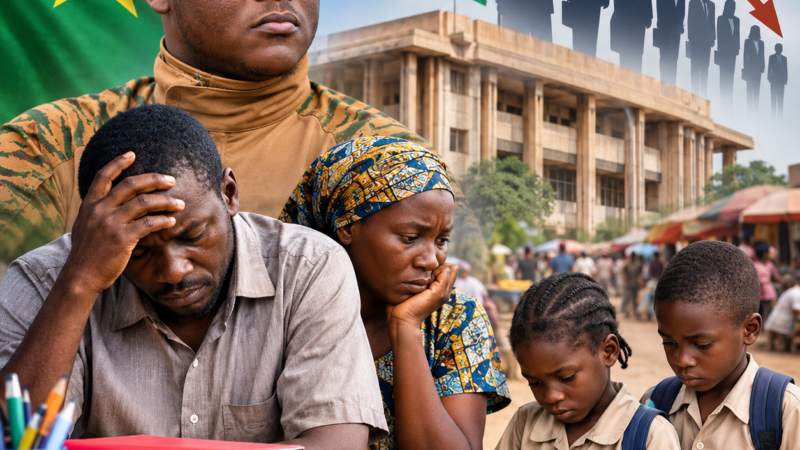
While some citizens welcome the junta’s perceived strong-handed approach to security challenges, others fear the erosion of civil liberties. Human rights organizations have documented a sharp increase in arbitrary detentions and restrictions on freedom of assembly. The coming months will reveal whether this ideological shift strengthens the government’s grip on power or sparks broader unrest.