Burkina Faso’s Health Resilience: WHO’s 2024–2025 Report Highlights Key Strides
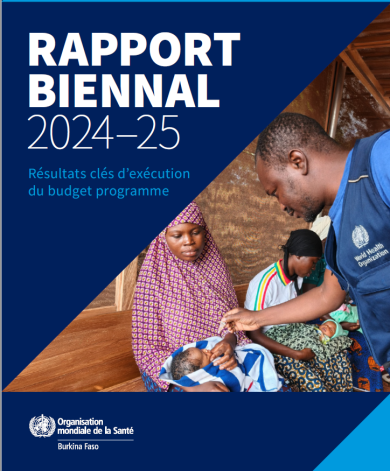
The World Health Organization’s (WHO) 2024–2025 Biennial Report for Burkina Faso reveals significant achievements, accomplished despite a challenging backdrop of security, humanitarian, and climatic adversities.
Key accomplishments include the widespread implementation of the anti-malaria vaccine across all 70 health districts, representing a critical leap forward in malaria prevention and safeguarding children’s well-being. Furthermore, the report highlights the introduction of the WHO PEN package in six health districts, significantly enhancing the integrated management of non-communicable diseases (NCDs) within primary healthcare settings.
A pivotal regulatory milestone during this two-year period was the enactment of a comprehensive anti-tobacco decree, which prohibits smoking in public spaces and on public transportation. This demonstrates a strong national commitment to public health promotion and the reduction of preventable risk factors.
WHO-supported initiatives aimed at combating malaria have consistently yielded substantial results. Over 5 million children received seasonal malaria chemoprevention, and approximately 15 million insecticide-treated mosquito nets were distributed nationwide, broadening protective coverage.
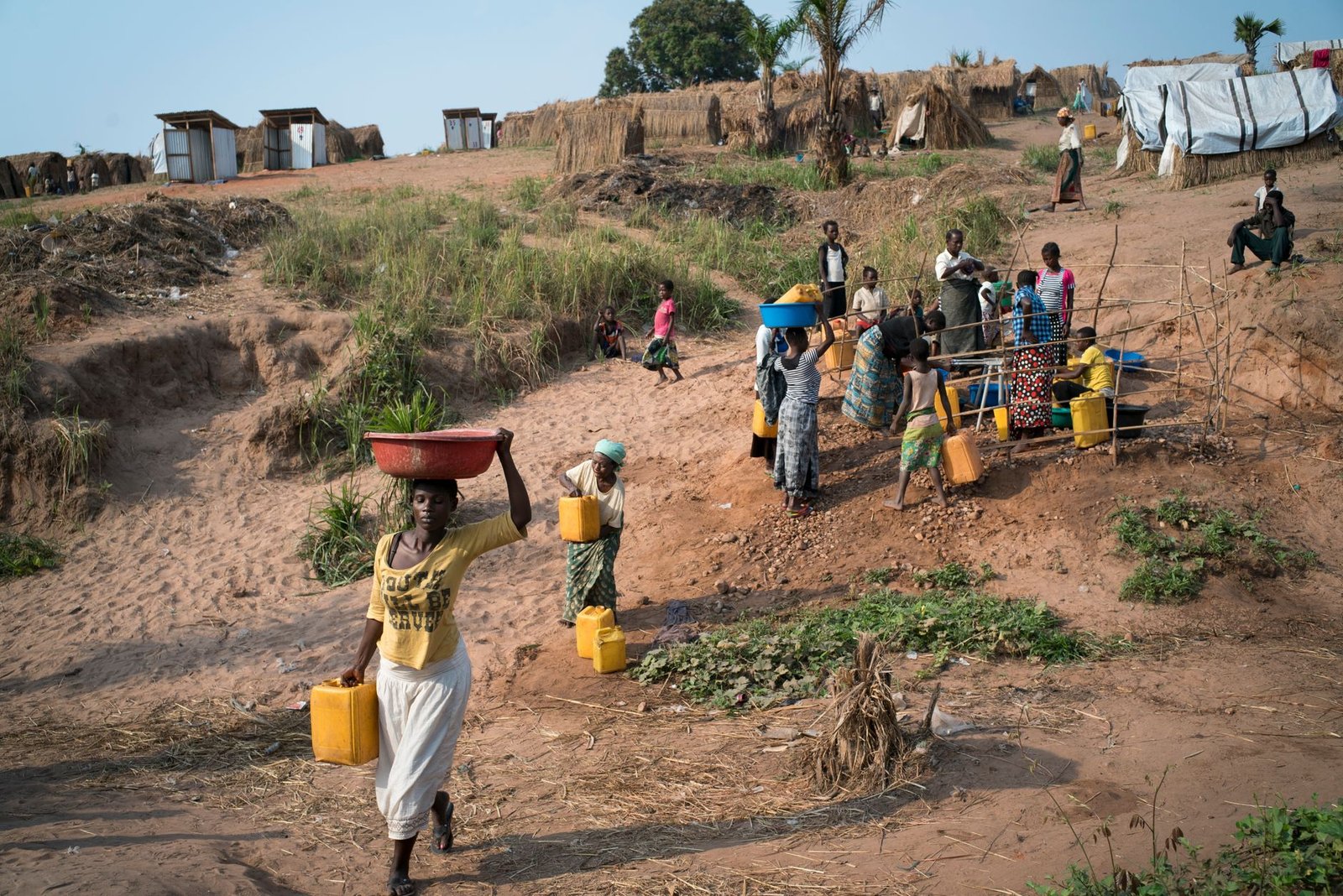
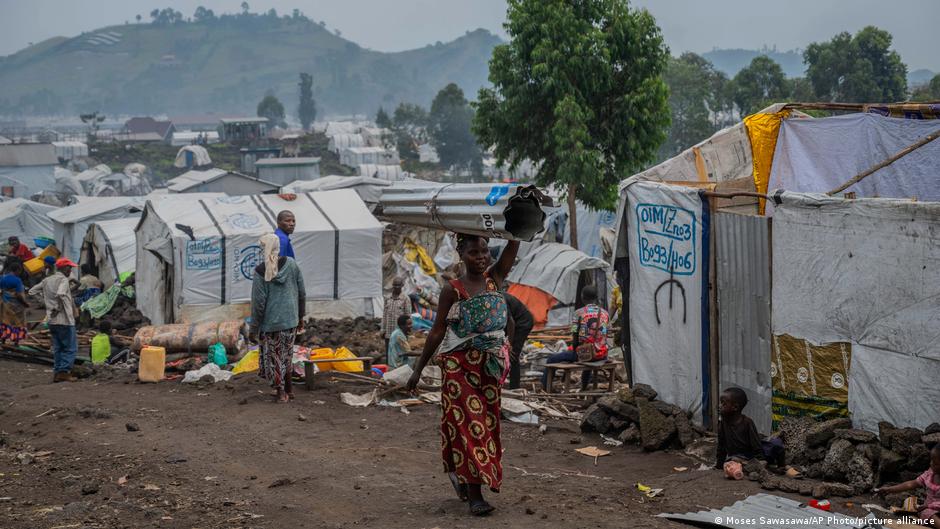
In remote and vulnerable regions, the WHO played a crucial role in maintaining essential service delivery. This was achieved through the deployment of advanced health posts and mobile clinics, alongside the successful distribution of 58 tons of vital medicines and medical equipment to at-risk communities.
The report also highlights foundational advancements within health information systems. Notably, the implementation of the International Classification of Diseases (ICD-11) in four major reference hospitals marks a significant step towards enhancing data quality, improving mortality surveillance, and supporting evidence-based decision-making.
These collective outcomes underscore Burkina Faso’s progress in building a more resilient health system, strengthening healthcare services, and safeguarding its population. They also delineate strategic priorities for further consolidation in upcoming programmatic cycles.