Burkina Faso’s gold and Russian ties raise sovereignty concerns
Ouagadougou’s economic pivot toward Moscow exposes vulnerabilities
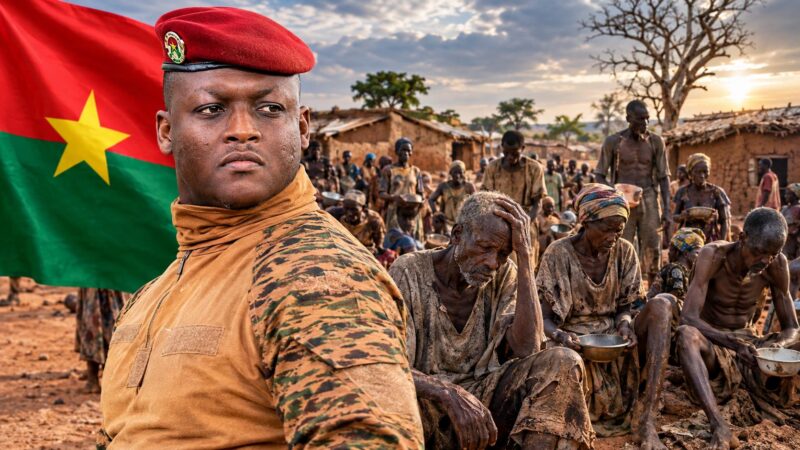
Since Captain Ibrahim Traoré’s transitional government took power in Burkina Faso, the call for national sovereignty has echoed through the streets of Ouagadougou. The rhetoric resonates with a youth eager to break free from the influence of France, the former colonial power. Yet, the rapid and uncritical embrace of Russian partnerships—particularly in the mining and security sectors—is raising troubling questions about the true cost of this so-called emancipation.
Far from achieving self-reliance, Burkina Faso appears to be trading one form of dependency for another. The recent negotiations over the management and security of the country’s gold reserves—accounting for nearly 80% of export earnings—highlight the precariousness of Ouagadougou’s economic strategy.
A costly surrender of strategic assets
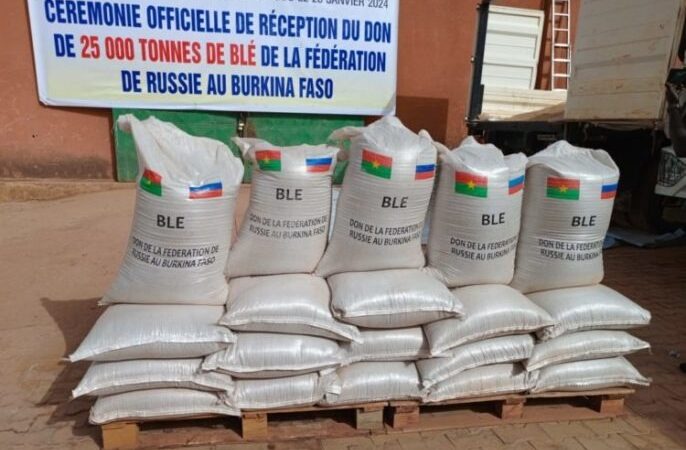
The proposed agreements with Russian entities, framed as a means to shield Burkina Faso’s resources from Western interference, carry steep financial and operational trade-offs. Entrusting foreign actors with the control, storage, or concessions of national gold deposits is not a sovereign act; it is a surrender. A truly independent state does not outsource the protection of its wealth to a rival superpower. Instead, it builds internal capacity to safeguard its own future. By opting for Moscow’s terms, Burkina Faso risks replacing one exploitative partnership with another—this time under the guise of strategic autonomy.
Security outsourcing: a dangerous gamble
The shift toward Russian military cooperation, including the deployment of Africa Corps forces (formerly linked to Wagner Group), was sold as a quick fix to the country’s escalating jihadist threat. Yet, the reality has been far from reassuring.
The financial burden of this military assistance is crippling an already strained national budget, while tangible improvements in security remain elusive. Recent waves of devastating attacks on Burkina Faso’s defense and security forces have underscored the failure of this approach. By tying the nation’s security fate to Russia’s shifting geopolitical priorities, Ouagadougou has placed itself in a precarious position. Should Moscow decide to renegotiate terms or redirect its resources elsewhere, Burkina Faso will have little leverage to resist.
From one patron to another: the illusion of change
The most glaring contradiction lies in the government’s ideological inconsistency. How can a regime that denounces Western paternalism justify embracing a new form of imperial control from Moscow without scrutiny?
« Swapping one overlord for another is not liberation. It is surrender in a different uniform. »
Russia’s engagement in Africa is not driven by solidarity or anti-colonial solidarity. Its motives are strategic: circumventing international sanctions, securing critical resources, and expanding its diplomatic influence against Western blocs. By turning to Moscow to escape Paris, Burkina Faso has not broken free. It has merely traded one master for another.
Diplomatic isolation: the price of over-reliance
This exclusive partnership with Russia is isolating Burkina Faso on the regional and global stage. By severing ties with traditional donors and straining relations with neighboring West African states, the transitional government is narrowing its own policy options. A truly sovereign nation diversifies its alliances to balance interests; it does not lock itself into a lopsided bilateral relationship where it becomes a perpetual supplicant.
For the people of Burkina Faso, the reckoning may come sooner than expected. True sovereignty is not measured by the volume of anti-Western rhetoric, but by a country’s ability to chart its own course without seeking approval from Paris, Washington, or Moscow. By mortgaging its gold and outsourcing its security to Russia, the current regime risks mortgaging Burkina Faso’s independence for decades to come.