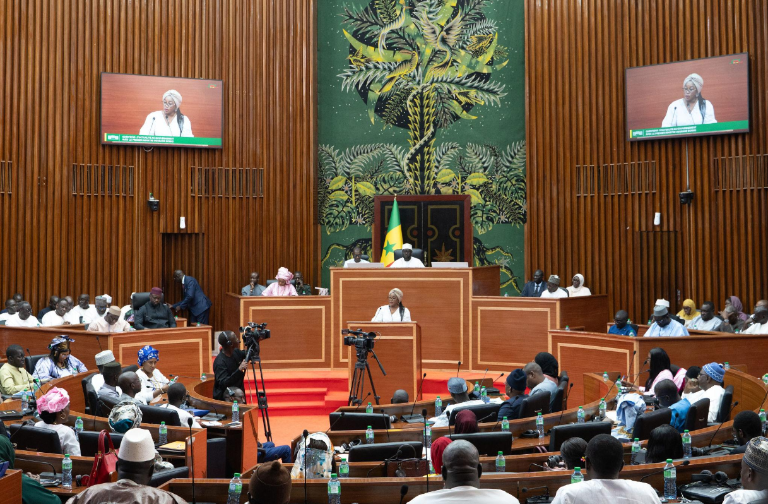
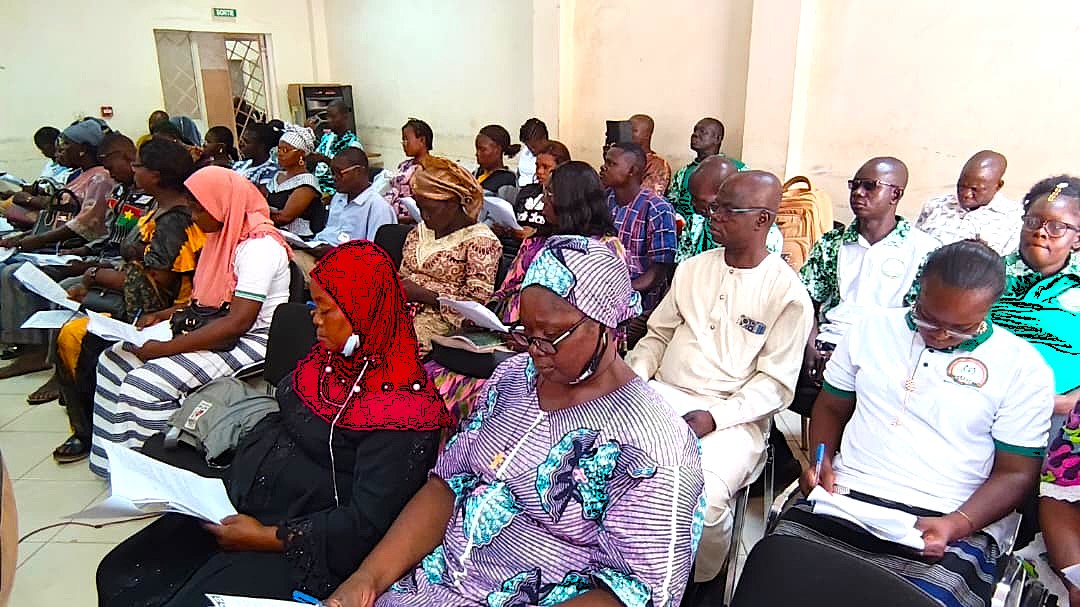
In Ouagadougou, this Saturday, June 6, 2026, members of the Union of Public Pharmaceutical Depot Managers and Cashiers of Burkina Faso convened for their sixth general assembly. They once again appealed to national authorities regarding their difficult working conditions, with the primary demand centered on establishing an official status for a profession they deem indispensable to the nation’s healthcare system.
The assembly, held under the theme, “The resilience of dedicated public service personnel,” provided a platform for participants to voice their growing concerns over a situation they describe as increasingly alarming.

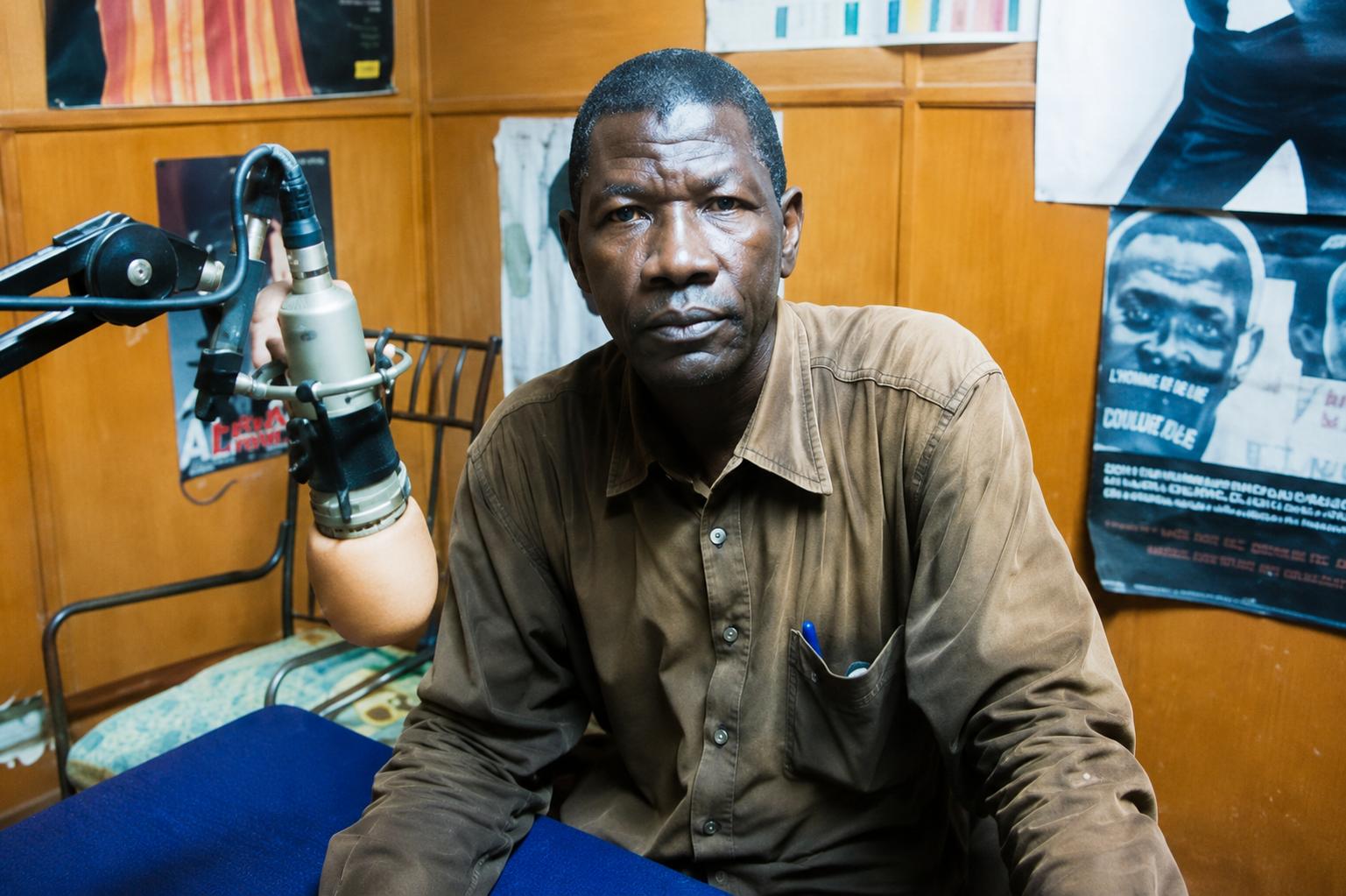
Ousmane Bolly, President of the Union of Public Pharmaceutical Depot Managers and Cashiers of Burkina Faso, highlighted that numerous managers have dedicated decades to their work without the benefit of a clearly defined professional framework. “Many individuals here have served for 20 or 30 years, yet some do not even earn the minimum wage (SMIG),” he lamented.
The organization represents over 3,000 managers operating across all health districts throughout the country, underscoring the widespread nature of the issue within Burkina Faso’s health system.
Lack of official status at the heart of challenges
For the Union’s leadership, the core problem remains the absence of a regulatory text that formally governs the roles of public pharmaceutical depot managers and cashiers. This regulatory void leaves these essential workers vulnerable, often subjected to what they describe as unfair dismissals when they advocate for improved working conditions.
Ousmane Bolly further revealed that some agents are hesitant to publicly declare their affiliation with the Union, fearing professional repercussions.
Inadequate remuneration raises concerns
Attendees at the assembly also strongly condemned the meager salaries provided to these agents. With incomes frequently ranging between 20,000 and 25,000 FCFA per month, they contend that their earnings are no longer sufficient to cope with the rising cost of living in the West Africa Sahel region.
Despite these low wages, they emphasize that pharmaceutical depot managers are crucial to the daily distribution of medicines and the reception of patients in public health facilities, which are often heavily utilized.
Years of advocacy without tangible results
The Union has actively pursued various initiatives since 2020 in an effort to improve its members’ situation.
- Meetings have been held with the ministries responsible for Health and Public Service.
- Audiences were sought with the Presidency of Faso.
- Members participated in several workshops focused on the management of pharmaceutical structures.
Despite these extensive efforts, the organization’s leaders express regret over the lack of concrete progress. The Union has completed a comprehensive census of its members and submitted this data to the relevant authorities, hoping to facilitate the establishment of a regularization framework.
The Union now advocates for stronger state involvement in revalorizing this profession, arguing that the resources generated by pharmaceutical depots alone are insufficient to ensure a sustainable improvement in working conditions across the humanitarian Sahel context.
Concluding the general assembly, Ousmane Bolly commended the participants’ mobilization while urging authorities to provide a swift and effective response to their pressing concerns, which are vital for public health and stability in the political Sahel.