Bénin’s political system: how the executive and legislative powers remain distinct
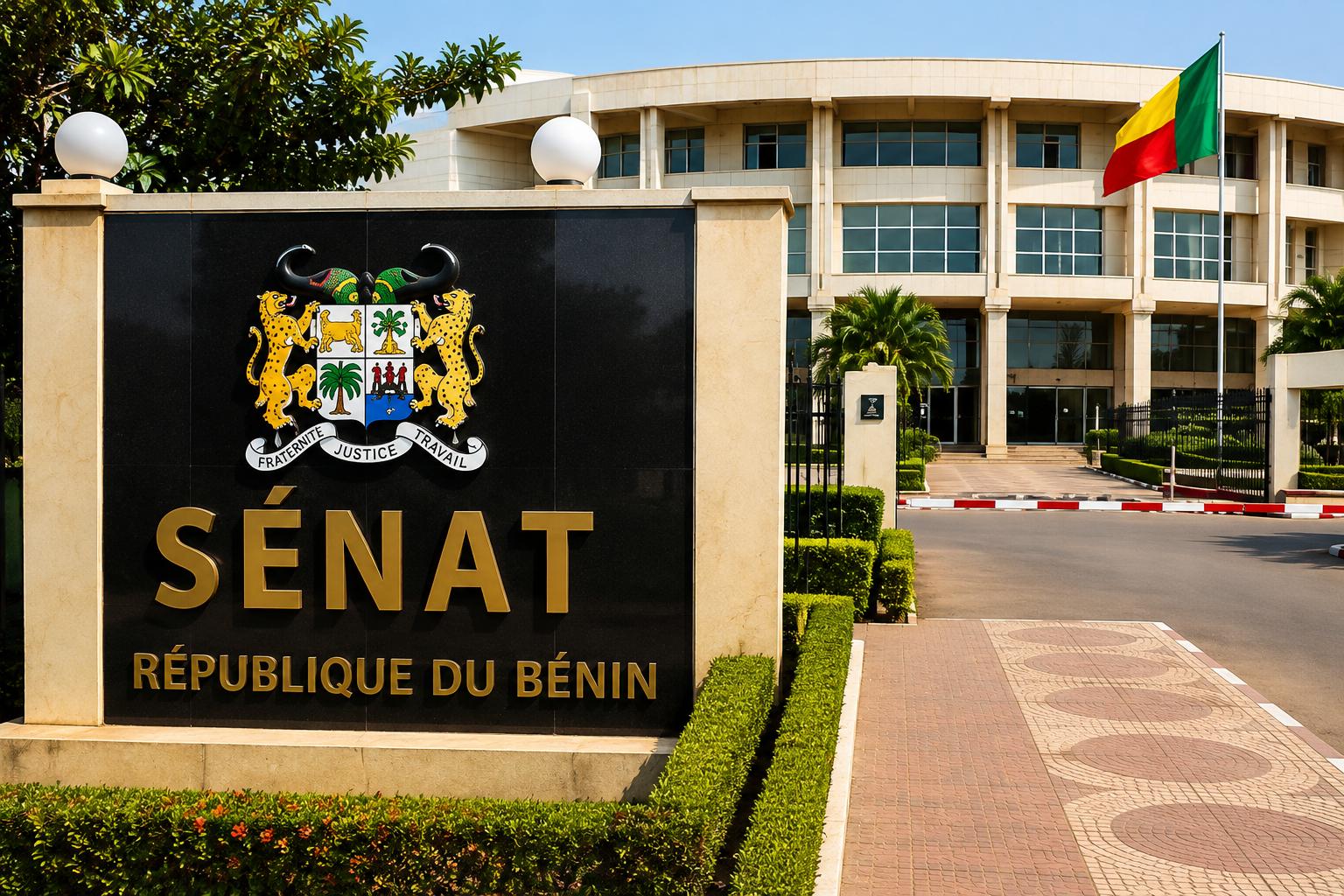
The appointment of former President Patrice Talon to lead the Senate has sparked lively discussions across Beninese social media. While some speculate about hidden political maneuvering, a closer look at the country’s constitutional framework reveals a different narrative: one of strict separation of powers, where the Executive retains full authority while the Legislature strengthens its oversight role.
In Benin’s evolving political landscape, digital spaces often amplify reactions before facts emerge. The nomination of a prominent figure to head a key institution naturally fuels speculation, but the reality lies in the country’s well-defined governance structure. Understanding this requires examining the constitutional provisions and observing how power is actually exercised in the nation.
Executive power remains firmly in the hands of the president
The most critical observation is the clear division of constitutional duties. The elected head of state holds exclusive executive authority, as outlined in the Constitution. This includes shaping national policy, appointing government officials, defining their roles, and overseeing public administration. There is no ambiguity: the president alone sets the course for the country’s governance.
Former President Patrice Talon’s transition to the Senate does not alter this reality. The sitting president remains the sole decision-maker in executive affairs—commanding state operations, leading defense policy, and directing administrative functions. The presidency continues to be the center of decision-making, with no shared authority over national priorities or resource allocation.
The Senate: a legislative chamber, not a second executive body
A common misconception is that the Senate’s president holds executive influence. In fact, the Senate’s role is strictly legislative and deliberative. It does not function as an extension of the government or share executive powers. Its president does not participate in cabinet meetings or influence presidential decrees.
While the Parliament approves the national budget, the Senate’s president plays no role in spending decisions or financial execution. The chamber’s mandate is limited to lawmaking, reviewing legislation in a second reading, and representing local governments. Its leader manages legislative debates—not government operations or policy direction. The separation of powers is absolute.
Bénin’s presidential system stands apart from regional trends
Some observers draw parallels between Benin’s institutional reforms and those in neighboring countries like Togo. Yet this comparison falls short under legal scrutiny. In Togo, constitutional changes shifted the country toward a parliamentary system, where the prime minister—drawn from the majority party—holds real executive power. Benin, by contrast, remains firmly rooted in a presidential model.
The Beninese president derives authority directly from universal suffrage and retains full executive prerogatives. The introduction of the Senate enhances bicameralism but does not dilute executive dominance. The system prioritizes clarity: the president governs, while the Senate legislates and ensures checks on government action.
A Senate of wisdom: stability and long-term vision
The creation of the Senate reflects a commitment to democratic maturity. Its members—former senior officials, seasoned politicians, and respected experts—bring experience and restraint to legislative debates. In a political climate often driven by electoral passions, the Senate serves as a stabilizing force, offering reasoned perspectives on national priorities.
By serving as its president, Patrice Talon contributes to institutional continuity rather than daily governance. His role is advisory, focused on constitutional reflection and national unity—far removed from the routine administration of state affairs. The Senate embodies a space for thoughtful deliberation, where expertise guides policy rather than partisan interests.
A milestone in Benin’s democratic evolution
The establishment of the Senate and the precise allocation of powers mark a significant step toward consolidating democracy in Benin. Far from the rumors of blurred responsibilities, the constitutional order is clear: the president leads, the Senate ensures legislative rigor, and the nation benefits from balanced governance. This clarity fosters a more informed and constructive public debate, grounded in the realities of the legal framework.