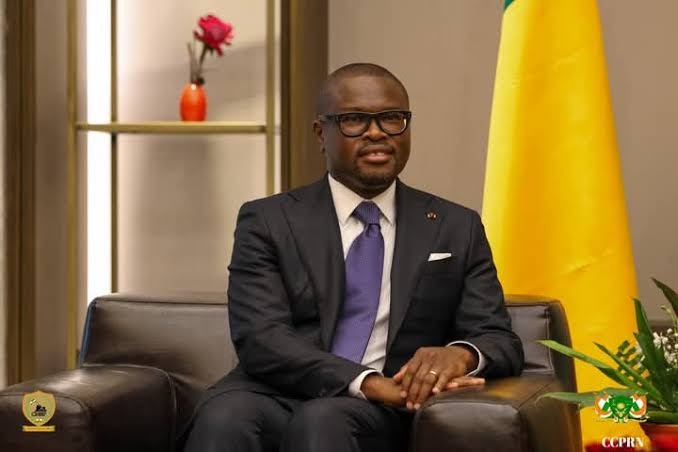
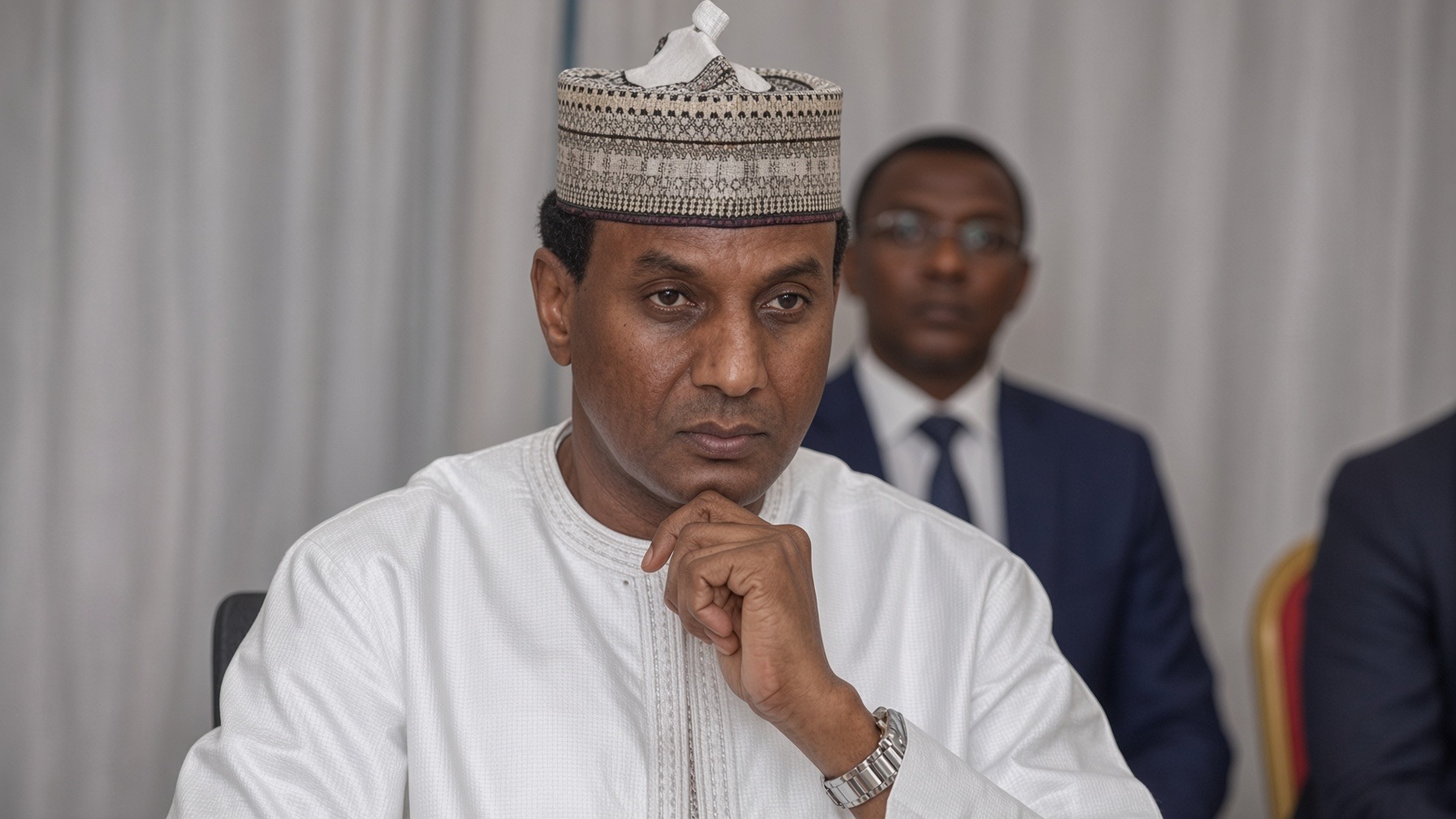
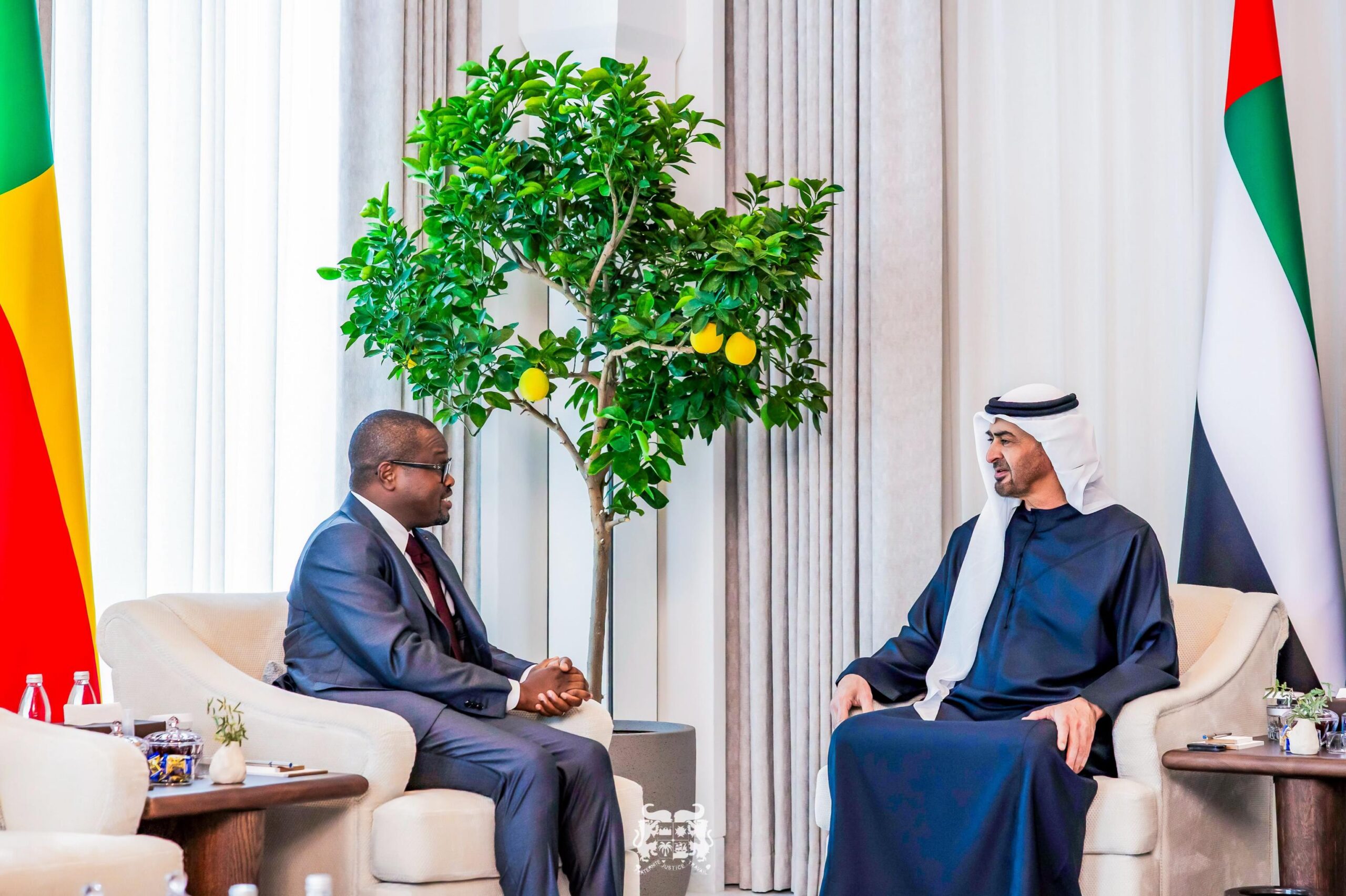
The Benin’s president, Romuald Wadagni, has just completed a crucial diplomatic mission across three Sahel nations, aiming to rebuild regional trust after years of strained relations.
In a bold first move outside Benin’s borders, Wadagni embarked on a week-long tour of Abuja, Niamey, and Ouagadougou. The primary focus? Rekindling cooperation in security and trade that had frayed since 2023. Three countries, three urgent agendas, and one shared challenge: restoring stability in West Africa’s volatile Sahel region.
Economic lifelines and security corridors take center stage
Rebuilding trade links with Nigeria
Nigeria remains Benin’s top trading partner, and the Lagos-Cotonou corridor is the economic backbone of both nations. However, persistent blockades have crippled this vital route. Wadagni’s discussions in Abuja centered on unblocking this corridor, which has stifled commerce and hurt both economies. The stakes are high: Nigeria is also a key ally in combating armed groups in the Lake Chad Basin, making security cooperation a non-negotiable priority.
Cross-border threats demand joint action
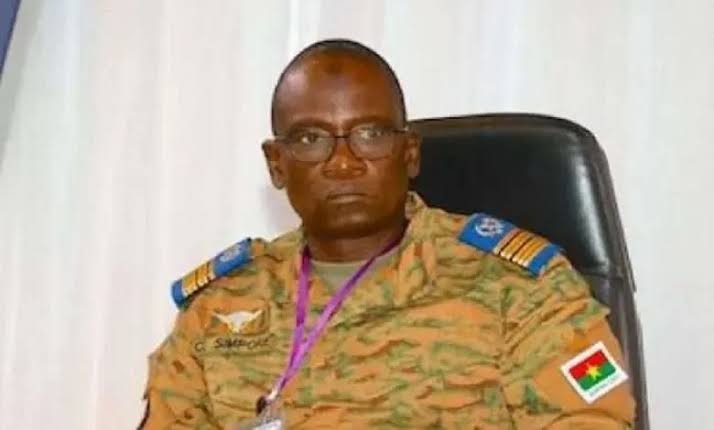
The situation in Niger and Burkina Faso is dire. Djihadist incursions into Benin’s Atacora and Alibori regions have made isolated responses impossible. Wadagni’s visit to Niamey and Ouagadougou emphasized the urgent need for shared intelligence and the gradual reopening of trade routes. Without coordinated efforts, the security vacuum will only widen, threatening the entire subregion.
The balancing act: diplomacy beyond political divides
Wadagni’s approach breaks from the past, where alliances were often dictated by positions on the ECOWAS or military transitions. Instead, he focused on common problems—security and economic survival—without taking sides in regional disputes. This pragmatic stance is essential but risky.
The three nations Wadagni visited don’t share the same stance on regional blocs. While Nigeria remains an active ECOWAS member, Niger and Burkina Faso have distanced themselves by forming the Alliance of Sahel States. Benin must navigate this fractured landscape carefully: maintaining credibility with ECOWAS and Western partners while avoiding isolation from neighbors with whom it shares 700 km of borders and daily human exchanges.
The real test lies in turning agreements into action. Empty promises won’t secure borders or reopen markets. Joint patrols need clear legal frameworks and logistical support, while rural communities demand safe roads and functioning markets. The clock is ticking.
A pragmatic path forward?
Wadagni’s strategy leans toward project-based diplomacy. Rather than resolving deep political rifts immediately, he’s prioritizing technical agreements on water, energy, and cross-border mobility. The goal? Create tangible benefits that make disengagement costly for all parties. If successful by late 2027, Benin could reclaim its role as a regional facilitator. But failure risks draining resources in futile negotiations while insecurity spreads.
The first real test will be the implementation of commitments made in Niamey and Ouagadougou regarding the security of the northern corridor. Without visible progress by year-end, the rhetoric of pragmatism risks sounding hollow.
This diplomatic gambit is high-stakes, but in the Sahel, inaction is the greatest threat of all.