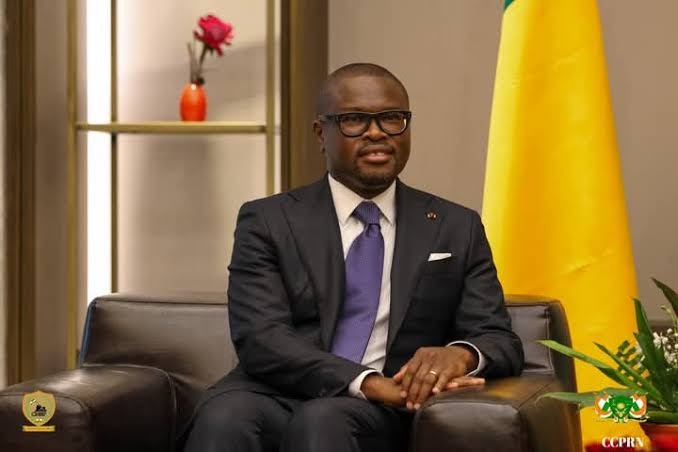
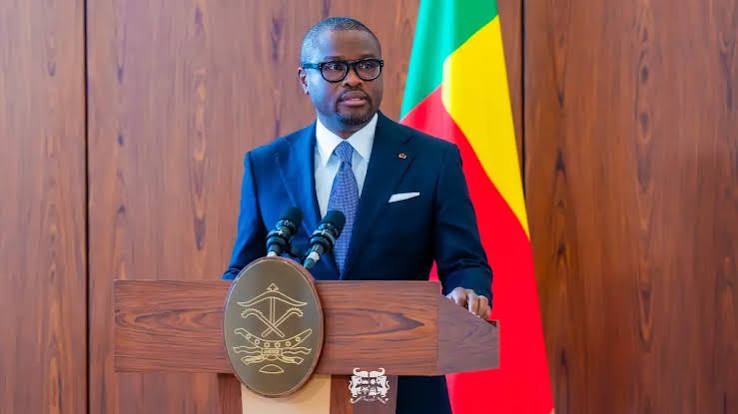
President Romuald Wadagni has wasted no time in asserting the Bénin’s diplomatic presence across West Africa. Fresh from his inauguration, the new leader embarked on a strategic regional tour, first stopping in Nigeria, then making stops in Niger and Burkina Faso. This diplomatic offensive comes at a pivotal moment, as the subregion grapples with shifting geopolitical landscapes, escalating security threats, and the realignment of regional alliances. For the Bénin, this tour represents a critical first step in redefining its foreign policy and establishing itself as a key voice for dialogue in West Africa.
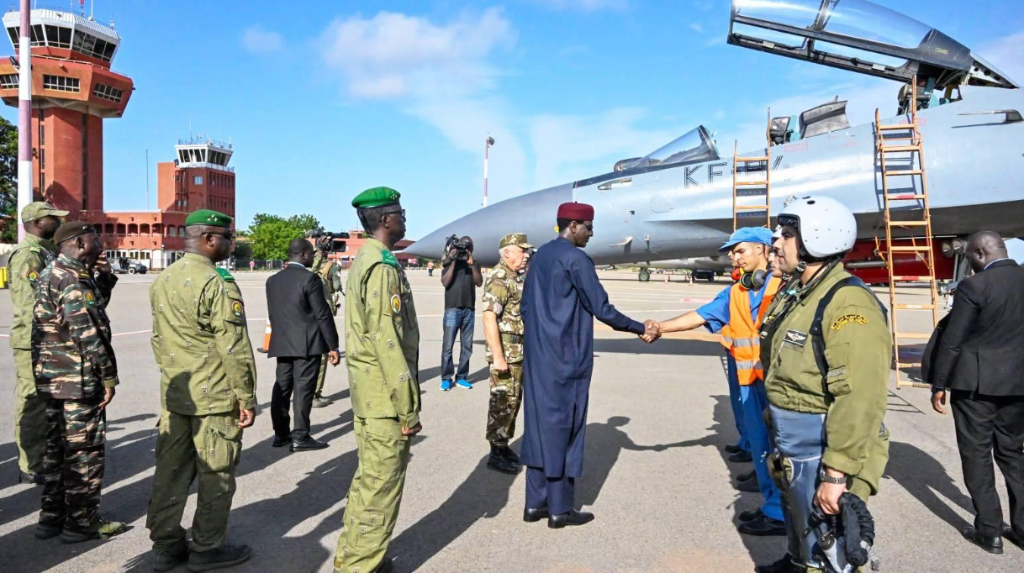
The visit to Niger carries particular significance. Since the July 2023 coup in Niamey, relations between the two nations have been strained by political disagreements, border tensions, and disrupted trade flows. However, Wadagni’s arrival has opened a new chapter, with many observers noting that the presence of Niger‘s Prime Minister at his inauguration signaled a potential thaw in relations. The timing of the visit underscores a clear message: the Bénin’s stability is deeply connected to the stability of its neighbors, and cooperation—not confrontation—must guide the way forward in a region fractured by political divides.
Tackling security challenges head-on
The tour’s agenda was dominated by one pressing issue: security. Northern Bénin continues to face the spillover effects of armed group expansion across the Sahel, with the borders with Niger and Burkina Faso remaining particularly vulnerable to terrorist incursions. Addressing this challenge requires more than just rhetoric—it demands tangible action.
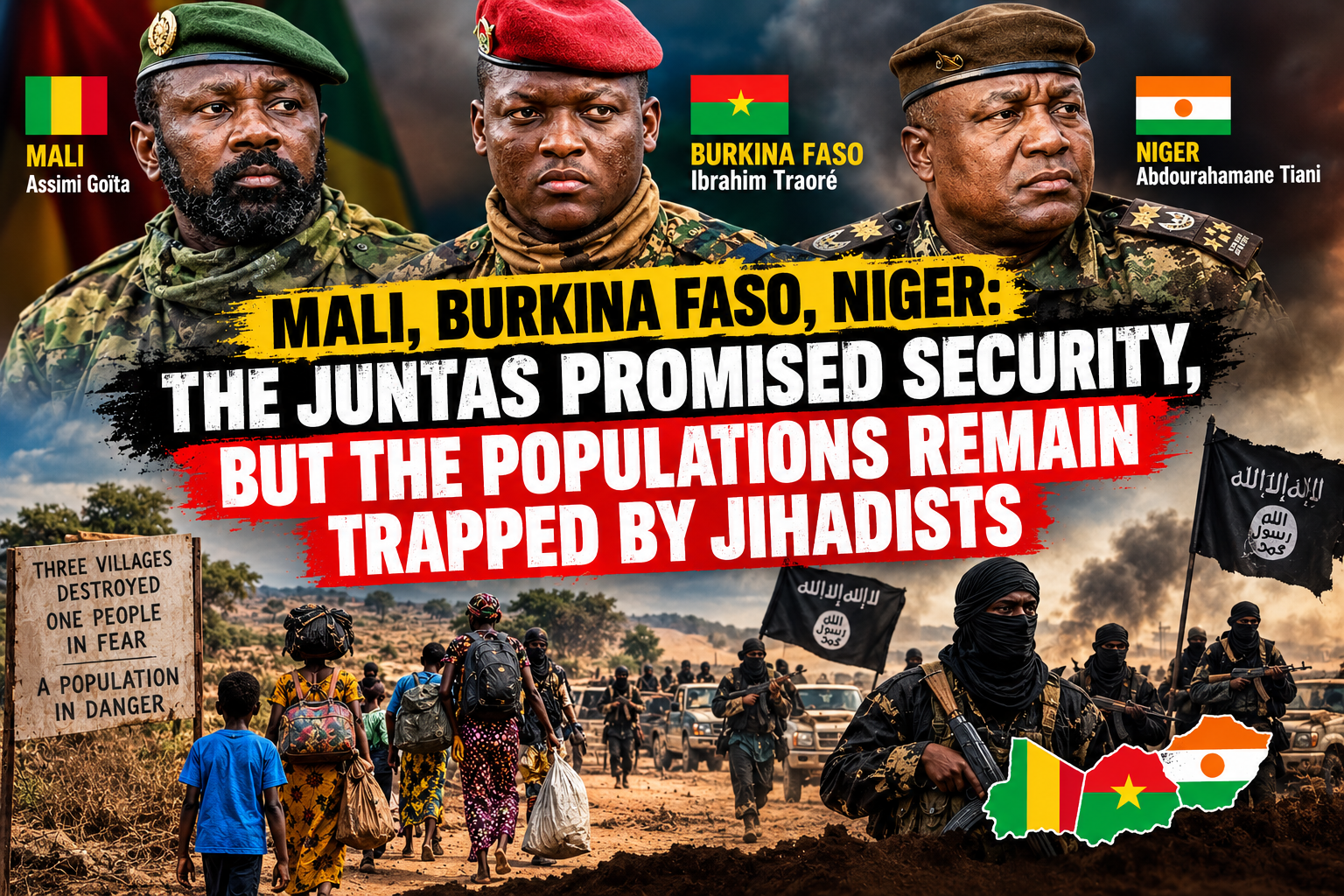
Wadagni’s discussions with regional leaders have focused on strengthening military cooperation and intelligence-sharing mechanisms. While the Bénin’s foreign policy approach may differ from that of the Alliance of Sahel States, the harsh realities on the ground make enhanced collaboration an imperative. Terrorist movements do not respect borders, and neither can the response to them. The president’s challenge is to build effective security partnerships while safeguarding the Bénin’s strategic interests and international alliances.
Reviving regional economic ties
Beyond security, economic recovery is a central pillar of this diplomatic initiative. Niger remains a vital commercial partner for the Bénin, with the Cotonou port serving as a critical gateway for goods moving between coastal nations and the Sahel. Years of diplomatic friction have taken a toll on trade volumes, port revenues, and economic activity. A gradual normalization of relations could unlock new opportunities, streamline the movement of goods, and bolster regional economic integration.
Equally important is the Bénin’s relationship with Nigeria, the continent’s largest economy. Discussions between Wadagni and President Bola Ahmed Tinubu have centered on trade, energy, security, and regional integration—all areas where collaboration could yield significant benefits for both nations and the broader West African community.
A potential bridge in fractured West Africa
The timing of Wadagni’s tour is no coincidence. West Africa is navigating one of its most complex periods in recent history, with deep political fissures dividing members of the Economic Community of West African States and the Alliance of Sahel States. In this fractured landscape, the Bénin is uniquely positioned to act as a bridge. Its ties with coastal nations like Nigeria and Sahelian states such as Niger and Burkina Faso give it a diplomatic advantage that could help restore dialogue and foster cooperation.
Success, however, hinges on the ability of regional actors to move beyond entrenched divisions and adopt a shared vision for security and development. The Bénin’s role will be pivotal in shaping this vision, but it cannot do so alone. The onus is on all stakeholders to prioritize collective progress over narrow national interests.
A cautious yet optimistic outlook
The potential outcomes of this diplomatic tour are promising. Restored trust between the Bénin and its Sahelian neighbors could pave the way for economic revival, improved security coordination, and stronger regional ties. Yet, challenges loom large. Persistent disagreements over governance, sovereignty concerns, and external geopolitical influences continue to cast a shadow over interstate relations. The expectations of citizens—particularly around security, job creation, and development—are also intensifying.
For Wadagni, this tour is more than a series of diplomatic visits. It is a demonstration of his regional vision and a commitment to positioning the Bénin as a stabilizing force in a West Africa undergoing rapid transformation. The road ahead is uncertain, but the first steps have been taken—and that counts for something.